




Sri Lanka’s tourism sector is shifting its focus from promoting destinations alone to building a highly trained workforce capable of meeting the rapidly changing expectations of international travelers.
This strategic transition was underscored with the launch of a specialized tourism training programme jointly introduced by Jetwing Travels and Colombo Academy of Hospitality Management under the academic guidance of Australia’s William Angliss Institute.
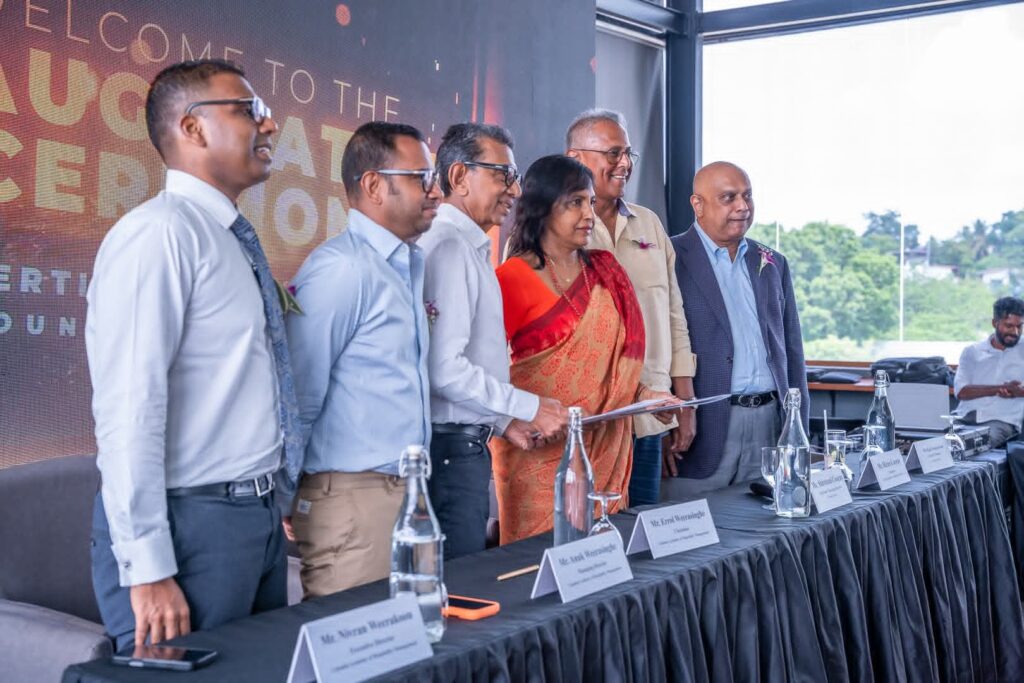
The “Certificate Course in Inbound Travel and Tourism,” launched in Colombo this week, seeks to strengthen industry expertise and prepare tourism professionals for emerging global trends including digital transformation, sustainability, experiential tourism, and specialized travel sectors.
The initiative comes at a time when Sri Lanka’s tourism industry is recovering and repositioning itself in a highly competitive international market where service quality and professional expertise are becoming as important as natural attractions.
Addressing the inauguration ceremony, Hiran Cooray emphasized that long-term competitiveness in tourism depends heavily on continuous investment in people and professional standards.
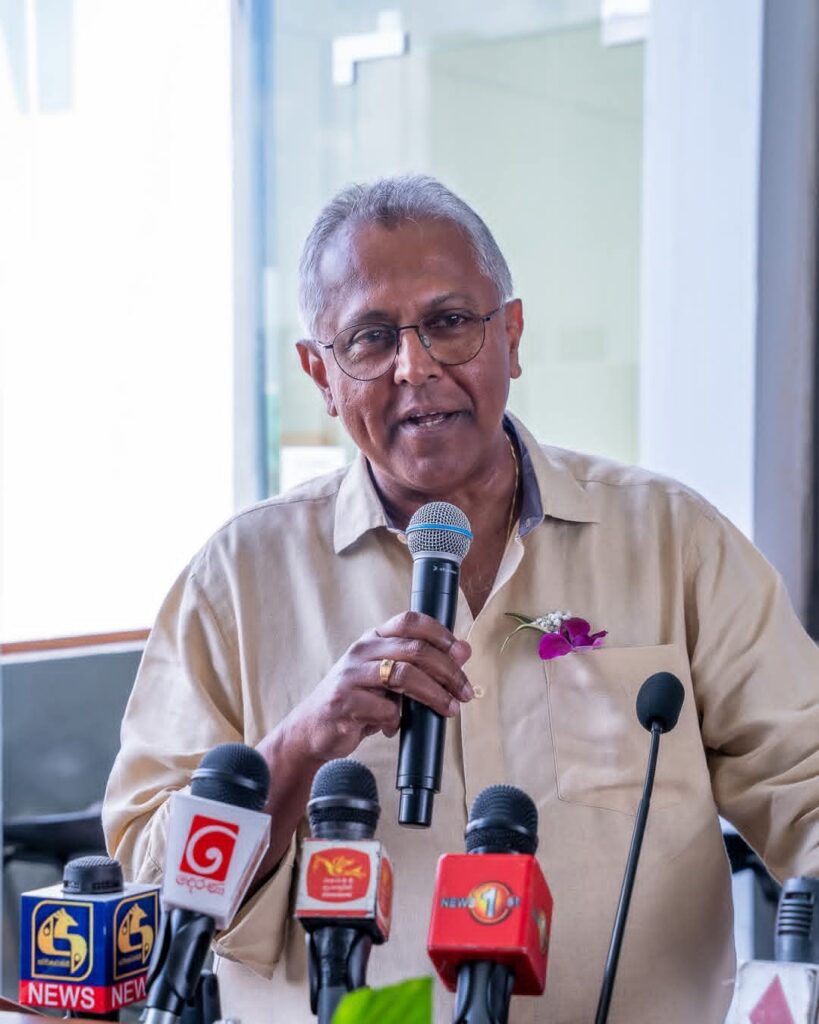
“Tourism has always been one of the natural strengths of Sri Lanka,” Cooray stated. “But advantage alone is never permanent. Industries remain competitive only when they continue to invest in knowledge, capability and standards. What we are building through this programme is not simply training, it is a stronger foundation for the industry itself.”
The four-week programme, scheduled to continue until early June, combines academic learning with practical exposure and industry engagement. Participants are being trained in eco-tourism, wildlife tourism, adventure tourism, experiential travel, MICE tourism, sustainability practices, and digital marketing strategies.
Industry professionals note that digital marketing has become increasingly important as travel decisions are now strongly influenced by online visibility, social media engagement, and destination storytelling.
The programme therefore focuses heavily on equipping participants with modern promotional and communication skills needed to position Sri Lanka effectively in the international travel market.
Environmental sustainability is another major component of the curriculum, reflecting growing global demand for responsible and environmentally conscious tourism experiences.
Speaking at the launch, Shiromal Cooray highlighted the importance of investing in human resources to secure the future of the industry.
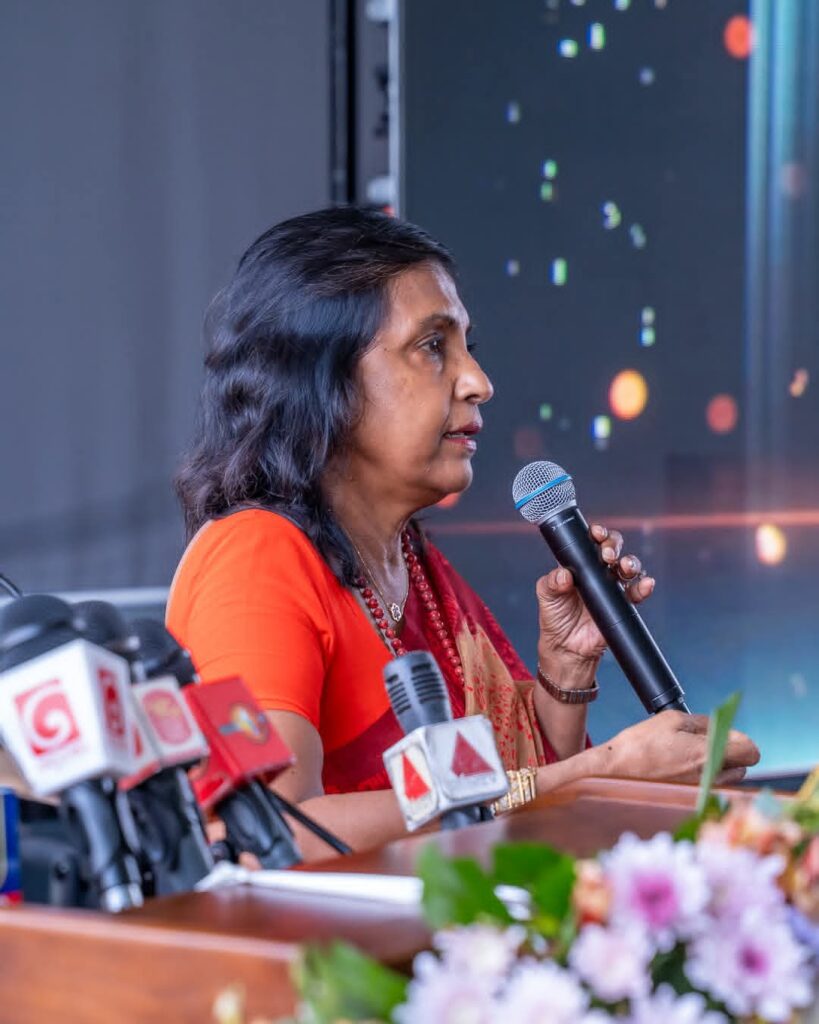
“The future of tourism industry is not only about destinations but more importantly about the people who represent,” she said.
Organizers said the course differs from traditional hospitality education programmes because sessions are conducted by active tourism industry practitioners who provide participants with direct insights into operational realities and emerging traveler expectations.
The programme is also expected to become an annual initiative with a competitive merit-based selection process focusing on communication abilities, professionalism, analytical thinking, motivation, and long-term career potential.
Tourism experts believe the collaboration signals a wider transformation within Sri Lanka’s tourism industry, where developing skilled talent is increasingly viewed as essential for building resilience, improving service standards, and securing sustainable long-term growth.
By a Special Correspondent