




Sri Lanka’s banking sector is facing one of its gravest operational scandals after the massive internal fraud uncovered at National Development Bank PLC exposed deep failures in governance, auditing, and regulatory supervision. Banking experts are now urging authorities to appoint an independent and highly qualified Competent Authority to supervise the bank’s operations and restore public confidence.
The fraud, estimated at nearly Rs. 13.2 billion, allegedly operated undetected from mid-2024 until the first quarter of 2026. Investigators say the scheme relied on thousands of small electronic transfers executed mainly during weekends and holidays to avoid detection systems and routine supervision.
According to investigators, the suspects manipulated internal suspense accounts and general ledger balances, allowing funds to move gradually without triggering standard red-flag mechanisms. The Criminal Investigation Department’s Computer Crimes Division has already arrested at least 16 individuals, including an assistant manager identified as the key suspect, several bank employees, and outside collaborators.
The scandal intensified after the Committee on Public Finance (CoPF), chaired by Harsha de Silva, summoned Central Bank officials for an emergency inquiry into how internal auditors, external auditors, and regulators all failed to detect the fraud for nearly two years.
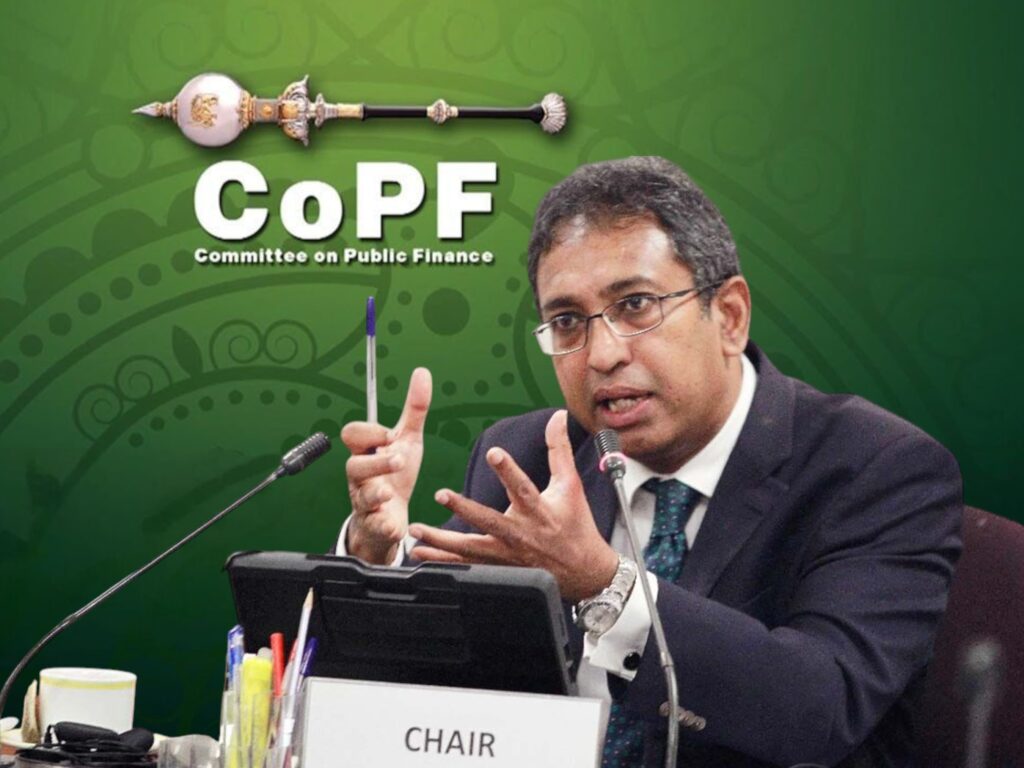
Parliamentarians questioned why members of the same audit committees that oversaw the bank during the fraudulent period continue to hold office. Lawmakers warned that retaining those officials could undermine the credibility of ongoing investigations and weaken depositor trust.
Banking analysts argue that the appointment of a Competent Authority is now essential to stabilize the institution while avoiding a complete administrative takeover. They describe the move as effectively placing the bank “under probation,” where the existing Board continues day-to-day operations but remains under direct supervision from an independent banking professional with proven local and international experience.
Experts say such an authority would possess the power to immediately enforce security reforms, management changes, and operational safeguards without waiting for lengthy restructuring procedures. This mechanism, they argue, would accelerate accountability while reassuring depositors and investors that recovery efforts are being independently monitored.
Meanwhile, forensic auditors from Deloitte Touche Tohmatsu India LLP are reportedly bypassing the bank’s Board entirely and reporting directly to the Central Bank of Sri Lanka to prevent any internal interference with findings.
The financial impact has already forced NDB to abandon aggressive expansion plans and shift toward capital preservation. The bank revised its profit guidance sharply downward and suspended cash dividends under Central Bank instructions to strengthen Tier-1 capital ratios.
Despite the losses, the Central Bank maintains that NDB remains above minimum liquidity and capital adequacy requirements and that customer deposits remain secure. However, analysts warn that public confidence may continue eroding unless a strong independent supervisory framework is immediately introduced.
With additional arrests expected and investigations expanding into shell companies, real estate acquisitions, and possible offshore transfers, pressure is mounting on regulators to demonstrate decisive leadership before the crisis further damages confidence in Sri Lanka’s financial system.
By a Special Correspondent