




Sri Lanka is being pressed to move beyond rhetoric and take concrete steps to unlock its export potential, as global uncertainties reshape trade priorities. Delivering a pointed message, Akio Isomata called on policymakers and businesses to shift from discussion to decisive action, warning that delays could cost the country valuable international partnerships.
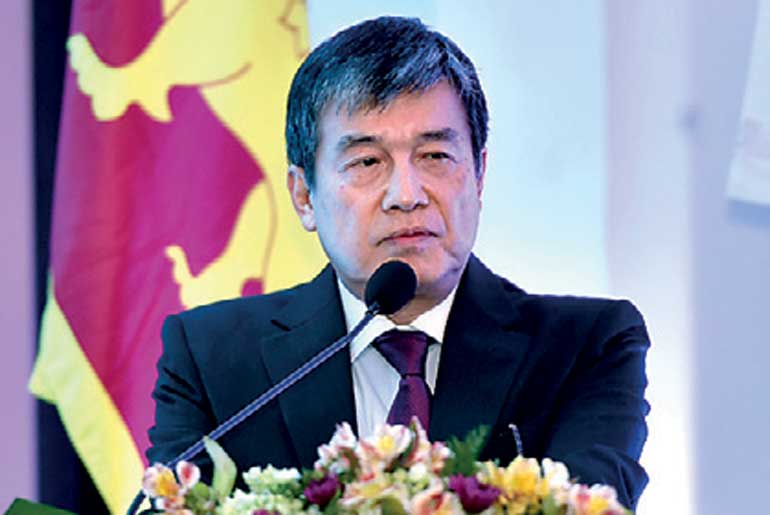
Speaking at a recent trade forum organised by the Sri Lanka Japan Business Council, the Ambassador stressed that opportunities particularly with Japan require urgency and follow-through. His remarks come at a time when Sri Lanka is exploring a “Look East” strategy, positioning itself closer to Asian markets amid geopolitical tensions elsewhere, including instability in the Middle East.
At the centre of this strategy is the proposed export-oriented industrial corridor linking Sri Lanka, India, and Japan. The initiative, endorsed by the Government of Anura Kumara Dissanayake, is projected to significantly boost economic growth, with estimates suggesting it could contribute to a 9.3% increase in GDP by 2030. However, Ambassador Isomata warned that the project risks stagnation without swift implementation.
Although working groups have been formed on both sides, he emphasised that progress must accelerate. The concern is not merely bureaucratic delay, but the possibility that Japan’s Government and private sector could lose interest if tangible outcomes are not delivered in time.
Japan’s readiness to engage remains clear. Institutions such as the Japan International Cooperation Agency and the Japan External Trade Organization are prepared to support Sri Lanka’s development efforts. Yet, as the Ambassador underscored, frameworks alone are insufficient—the real drivers must be businesses across the three countries.
A key challenge lies in Sri Lanka’s limited export performance to Japan, which has remained below $200 million annually despite untapped potential. The Ambassador pointed out that Sri Lanka’s domestic market is too small to attract large-scale Japanese investment on its own. Instead, leveraging India’s vast import-driven economy could provide a practical pathway for growth through regional integration.
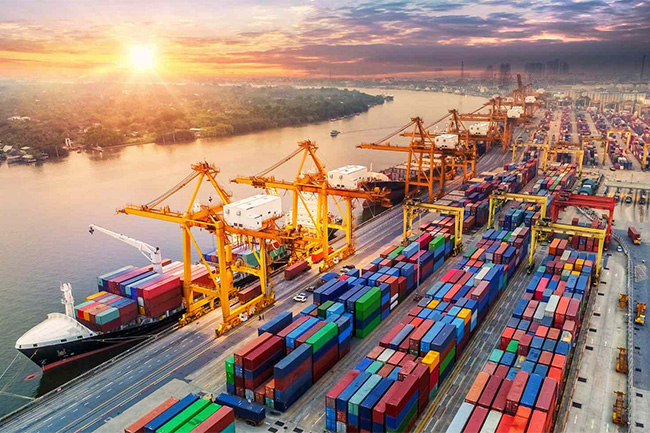
Beyond infrastructure and trade corridors, the absence of a clear industrial strategy remains a critical gap. Ambassador Isomata noted that Sri Lanka lacks a coherent roadmap for industrial development, calling for comprehensive reforms to enhance productivity and competitiveness.
He also highlighted the importance of strengthening trade policy, including better use of existing agreements and pursuing new ones. Transforming current arrangements with India into a broader economic partnership could further expand opportunities, especially when compared to Japan’s extensive network of trade agreements.
Improving the business environment is another pressing need. Ongoing discussions through bilateral mechanisms aim to address operational barriers, but sustained effort is required to attract meaningful foreign direct investment.
Ultimately, the message from Japan is both supportive and cautionary: Sri Lanka has strong historical ties and significant potential, but without decisive action and consistent reform, those opportunities may slip away in an increasingly competitive global landscape.
By a Special Correspondent