




Sri Lanka’s latest move to secure $620 million in financing from the Asian Development Bank has sparked renewed debate over whether external assistance is stabilizing the economy—or quietly deepening long-term debt vulnerabilities amid global uncertainty.
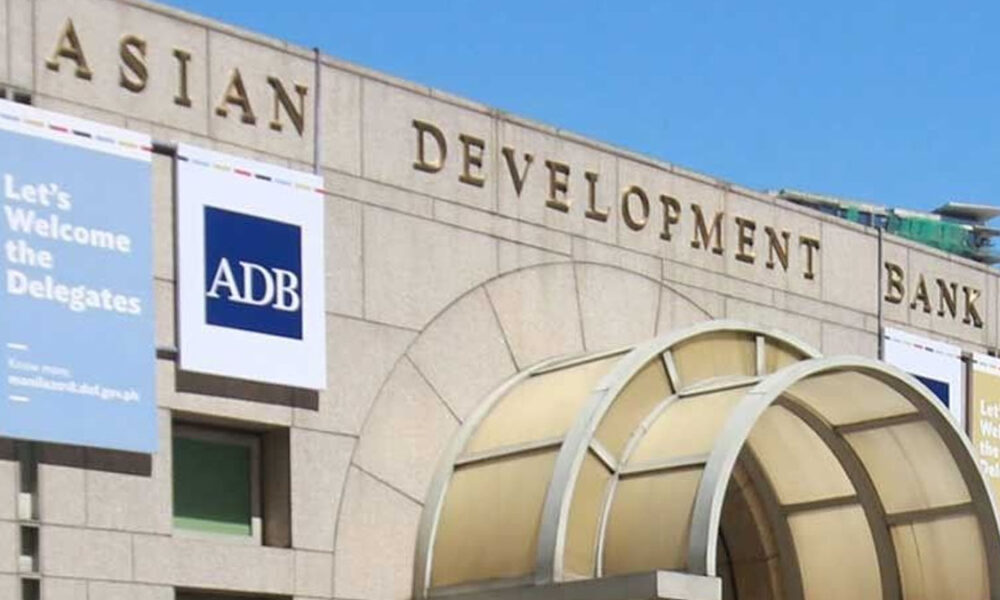
The Cabinet approval of the multi-sector funding package signals a continued reliance on multilateral lenders to sustain reform momentum. Spread across five sub-programs, the funds target trade, financial inclusion, agriculture, infrastructure, and social resilience.
The largest allocation US $220 million is directed toward strengthening micro, small, and medium-sized enterprises, while $100 million each is earmarked for trade development, water and sanitation, economic recovery, and agricultural value chains.
Officials argue that the financing aligns with reforms under the International Monetary Fund’s Extended Fund Facility, positioning it as a critical complement to fiscal consolidation and governance restructuring. However, analysts caution that such policy-based lending often comes with conditions that could strain domestic policy flexibility, particularly during external shocks.
As of March 18, 2026, Sri Lanka’s outstanding debt to the ADB is estimated to exceed $7 billion, making it one of the country’s largest multilateral creditors. While ADB loans typically offer concessional terms compared to commercial borrowing, repayment obligations remain significant, especially as global financial conditions tighten.
The timing of this financing is particularly sensitive. The ongoing Gulf crisis impacting oil markets, remittance flows, and trade routes poses indirect but serious risks to Sri Lanka’s fragile recovery. Higher fuel costs could widen the trade deficit, while reduced remittances from Sri Lankan workers in the Middle East may weaken foreign exchange inflows.
In this context, questions arise over how Sri Lanka plans to service its growing debt burden. Government strategy appears to hinge on export growth, improved tax revenue, and gradual economic expansion driven by reforms. Yet these projections depend heavily on external stability something currently far from guaranteed.
Critics argue that while the ADB funding provides short-term relief, it may also reinforce a cycle of dependency unless paired with aggressive domestic revenue generation and export diversification. There are also concerns about whether funds will be efficiently utilized, given past governance challenges.
Still, policymakers maintain that the financing is essential to bridge immediate gaps and sustain reform progress. Without such support, the risk of economic stagnation or even reversal could increase.
Ultimately, Sri Lanka stands at a crossroads. The ADB package offers an opportunity to rebuild but also a reminder that recovery financed by debt must eventually be repaid. In a volatile global environment, the margin for miscalculation remains dangerously thin.