




Sri Lanka’s postal system is emerging as an increasingly attractive route for international drug traffickers, with Customs authorities warning that criminal networks are exploiting the sheer volume of overseas mail to move narcotics into the country in small consignments that are difficult to detect.
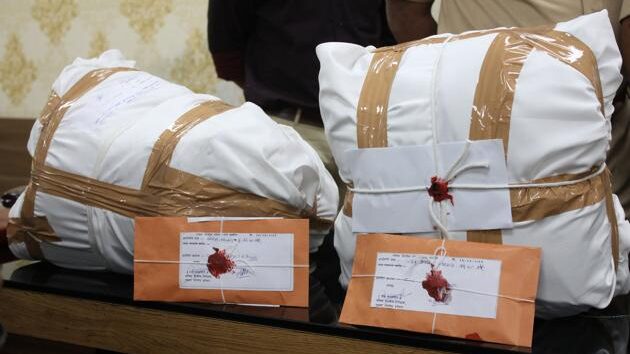
The warning follows a series of successful operations by Sri Lanka Customs during June 2026, which exposed a growing pattern of drugs concealed in international postal packages. Officials say traffickers are deliberately shipping small quantities to reduce the risk of losing large consignments while increasing the likelihood that individual parcels will escape scrutiny.
Addressing a media briefing on the progress of the national anti-drug operation, Customs Spokesman Chandana Punchihewa revealed that officers conducted four drug detection operations at Bandaranaike International Airport and nine separate raids involving international postal parcels during June. Together, the operations led to the seizure of 83.2 kilograms of narcotics.
While airport interceptions remain significant, Customs officials say the postal network has become an increasingly worrying frontier in the fight against drug trafficking.
Unlike passenger baggage or commercial cargo, international mail presents a unique enforcement challenge. Thousands of parcels enter Sri Lanka every day, making it practically impossible for Customs officers to physically inspect each package. Instead, authorities depend heavily on scanner technology and risk profiling to identify suspicious consignments before carrying out detailed examinations.
Officials believe traffickers are deliberately exploiting these operational limitations by dividing larger shipments into multiple smaller parcels, each destined for different recipients. Such a strategy not only lowers financial losses if individual packages are intercepted but also complicates efforts to identify the wider criminal networks behind the shipments.
Customs has also detected a noticeable increase in attempts to smuggle the narcotic known as “Kush” through the postal system. According to Punchihewa, many of the intercepted parcels carrying the drug have originated from Thailand, suggesting that overseas supply routes are becoming increasingly organised.
Although each package typically contains relatively small quantities of narcotics, authorities warn that the overall threat extends far beyond the weight of the drugs seized.
“Compared to the total quantity of drugs seized in the country, 83.2 kilograms may appear small, but the social impact is enormous,” Punchihewa said. He explained that parcels sent directly to end users reduce the need for multiple intermediaries, making distribution faster and more discreet. He also warned that traffickers frequently mix the imported drugs with other substances to increase the volume before selling them on the local market, amplifying both profits and public health risks.
The latest seizures underscore how international drug trafficking methods continue to evolve, forcing enforcement agencies to adapt their detection capabilities. As traffickers increasingly turn to ordinary postal services to move illicit drugs across borders, Customs officials say technology, intelligence-led targeting and international cooperation will remain critical in preventing Sri Lanka’s mail system from becoming a preferred gateway for narcotics.
By a Special Correspondent