




Sri Lanka’s move to strengthen controls against goods linked to forced labour has opened a new debate over how effectively the policy can be implemented without creating unintended disruptions to legitimate trade. While the Exporters Association of Sri Lanka (EASL) has welcomed the Government’s commitment to international labour standards, it has raised concerns that unclear procedures could create uncertainty for businesses and increase compliance pressures.
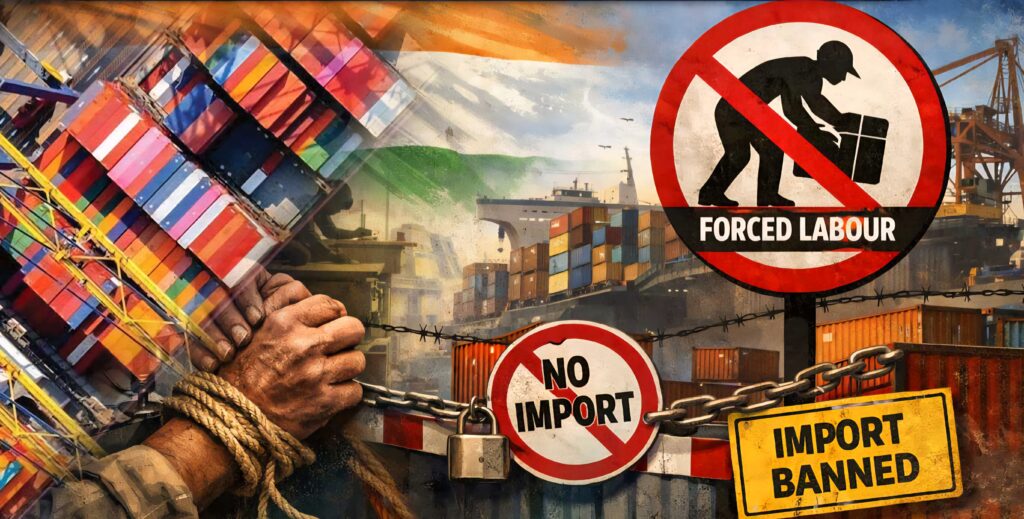
The Government’s decision to introduce regulations banning imports associated with forced labour reflects growing global efforts to ensure ethical supply chains. International markets are increasingly demanding greater transparency over the origin and production conditions of goods. However, the EASL argues that regulations alone will not be sufficient unless supported by clear operational guidelines that explain how enforcement will work in practice.
The association’s central concern is the absence of a finalised implementation framework following the gazetting of the new regulations. Without clear instructions, exporters and importers may face difficulties understanding documentary requirements, verification processes and compliance expectations. The EASL warned that uncertainty could lead to shipment delays, additional administrative burdens and higher costs for businesses involved in international trade.
A key issue highlighted by the exporters’ body is whether Sri Lanka will adopt a targeted enforcement model or impose broad requirements across all imports. The association has urged authorities to follow a risk-based approach, focusing on high-risk products, supply chains and countries rather than requiring extensive documentation from every import transaction.
Such an approach, the EASL believes, would allow authorities to address genuine risks while avoiding unnecessary obstacles for businesses with established and transparent supply chains. The association maintains that ethical trade objectives and economic competitiveness do not have to conflict if enforcement systems are designed carefully.
The exporters’ body has also called for wider consultation before the regulations become operational. It has requested discussions involving exporters, importers, chambers of commerce, logistics providers and other affected stakeholders to ensure that practical concerns are considered before procedures are introduced.
Sri Lanka Customs has been urged to publish detailed implementation guidelines covering acceptable evidence, verification mechanisms and transition periods. According to the EASL, these measures would help businesses prepare for the new requirements and maintain confidence in Sri Lanka’s trading environment.
The issue highlights a broader challenge facing export-oriented economies: balancing international compliance obligations with efficient trade facilitation. As global supply chains become more closely scrutinised, Sri Lanka faces pressure to demonstrate responsible sourcing practices while ensuring that its ports and businesses continue to operate smoothly.
The EASL has reiterated its support for eliminating forced labour but stressed that the success of the new regulations will depend on transparency, consultation and practical enforcement. The association said protecting supply chains while ensuring rapid cargo clearance at the Port of Colombo remains essential for maintaining Sri Lanka’s position in global trade.
By a Special Correspondent