




The Court of Appeal has quashed the appointment of the Deputy Tea Commissioner of the Sri Lanka Tea Board (SLTB), ruling that the interview panel had acted in an irrational, unreasonable and arbitrary manner when allocating marks during the selection process.
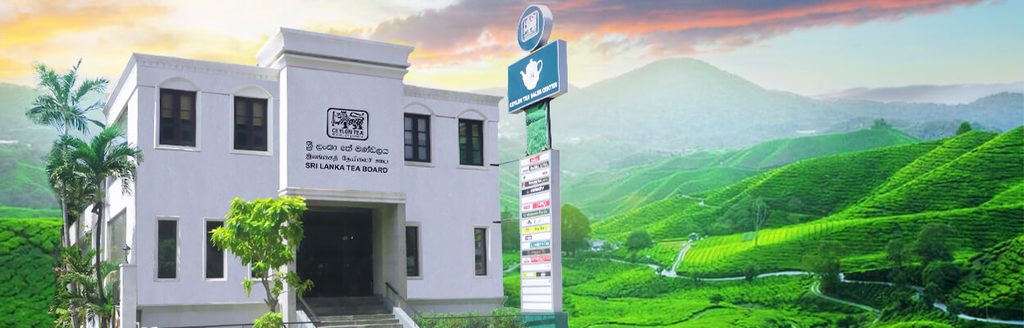
The judgment was delivered by Justices Mayadunne Corea and Mahen Gopallawa following consideration of a petition filed by SLTB Assistant Tea Commissioner B. M. K. Madushanka, who challenged the appointment.
Madushanka, who was appointed Assistant Tea Commissioner with effect from March 1, 2017, challenged the selection process through which the seventh respondent was recommended and subsequently appointed as Deputy Tea Commissioner.
The Court case concerned the internal selection process initiated to fill the Deputy Tea Commissioner post. The SLTB had called for applications through an internal memorandum dated June 25, 2025. Six applications were received, while five applicants, including Madushanka and the successful candidate, appeared for the interview conducted on September 24, 2025.
The seventh respondent secured the highest aggregate score of 55.2 marks and was recommended by the interview panel for appointment. Madushanka was placed second with 55.1 marks — a difference of only 0.1 marks.
The petitioner, represented by President’s Counsel Farman Cassim, argued that the interview panel had exercised its discretion improperly in allocating marks and had departed from the approved marking scheme.
The Court of Appeal accepted the substance of this challenge, finding that the conduct of the interview panel demonstrated an irrational and unreasonable approach to interpreting the approved marking scheme.
According to the Court, the panel had made ad hoc and unpublished changes to the approved criteria while awarding marks to the candidates. Such changes, the Court held, undermined the fairness and legality of the selection process.
A significant aspect of the judgment was the Court’s finding that the petitioner had a legitimate expectation that, having satisfied the eligibility requirements and been called for the interview, he would be assessed strictly in accordance with the approved marking scheme.
The Court determined that this legitimate expectation had been violated by the manner in which the interview was conducted.
It further held that the shortcomings of the interview panel did not merely affect the petitioner individually but also undermined the legality of the appointment made on the basis of the disputed interview results.
Consequently, the Court issued a writ of Certiorari quashing the letter of appointment issued to the seventh respondent. It also quashed the mark sheet and results of the September 24, 2025 interview.
The Court directed the Sri Lanka Tea Board to conduct a fresh interview for the appointment of Deputy Tea Commissioner, effectively requiring the Board to restart the selection process under a properly administered and transparent assessment procedure.
The judgment highlights the importance of public-sector recruitment bodies adhering strictly to approved selection criteria, particularly where appointments are determined by competitive interviews and marginal differences in marks can decide the outcome.