




Sri Lanka’s prolonged delay in operationalising the Gambling Regulatory Authority (GRA) is increasingly emerging as more than an administrative setback. It is becoming an economic liability, depriving the Treasury of much-needed revenue while allowing an expanding multi-billion-rupee gambling industry to operate without a comprehensive regulatory framework.
Despite assurances that the first set of gambling regulations would be published by June 30, officials this week admitted before the Committee on Public Finance (COPF) that the regulations are unlikely to be presented until later this year after an expert committee appointed by the Cabinet completes its review.
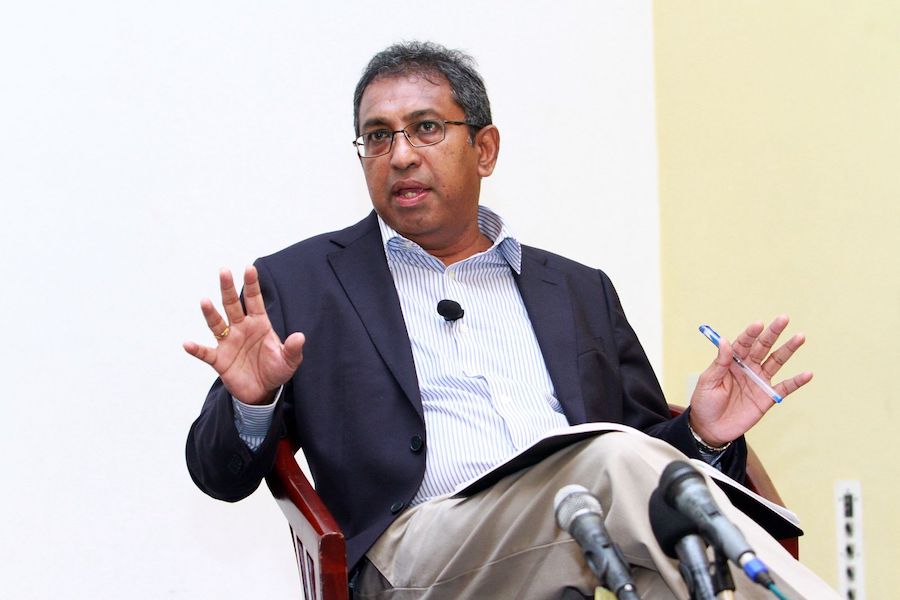
The disclosure prompted sharp criticism from COPF Chairman Harsha de Silva, who questioned why repeated deadlines dating back to 2022 had been missed while the gambling industry continued to expand unchecked.
The Gambling Regulatory Authority Act, which came into operation on December 1, 2025, was intended to establish a modern regulatory regime replacing outdated legislation governing casinos and betting activities. However, although the Authority legally exists, the absence of supporting regulations means many of its key enforcement powers remain dormant.
This regulatory vacuum carries significant economic consequences.
Industry observers say Sri Lanka is missing opportunities to generate substantial tax revenue from casinos, online betting platforms and other authorised gambling activities at a time when the Government continues searching for new sources of revenue to strengthen public finances.
Without licensing regulations, operators continue functioning within an uncertain legal environment while prospective investors remain hesitant about expanding operations or introducing new technology-driven gaming products.
Equally concerning is the delay in implementing anti-money laundering regulations specifically designed for gambling operations. Financial experts have long identified gambling as a sector vulnerable to illicit financial flows, making effective oversight essential not only for domestic governance but also for maintaining Sri Lanka’s international financial credibility.
During Tuesday’s proceedings, GRA Acting Director General Gaya Adikari explained that draft regulations covering licensing, authorised gambling, online gambling and anti-money laundering had already been prepared but remain under review by a Cabinet-appointed expert committee.
However, COPF members questioned why the Authority had failed to consult either industry operators or other stakeholders before finalising the draft regulations.
GRA Chairman N.M.W.N. Bandara confirmed that the Board had not formally engaged with local operators, while officials admitted no structured stakeholder consultation had taken place.
The Committee warned that introducing regulations without prior consultation could trigger objections requiring further amendments, resulting in additional delays.
Meanwhile, concerns are growing beyond fiscal losses. Referring to an international media report describing Sri Lanka’s emergence as a regional online scam hub, de Silva warned that every postponement increased opportunities for criminal networks to exploit regulatory loopholes.
“The more you delay, the worse the problem becomes,” he cautioned.
As gambling increasingly shifts onto digital platforms operating across borders, Sri Lanka faces a narrowing window to establish a credible regulatory regime capable of balancing investor confidence, consumer protection and Government revenue.
For an economy striving to strengthen fiscal discipline, every month of regulatory delay represents not merely administrative inefficiency but potentially millions in lost revenue and mounting reputation.