




By a special correspondent
Sri Lanka’s latest electricity tariff increase, approved by the Public Utilities Commission of Sri Lanka, comes at a moment when households are already buckling under economic strain and an intensifying El Niño-driven heatwave.

Though authorities insist the average 10% hike is lower than the proposal submitted by the Ceylon Electricity Board, the timing and structure of the increase raise serious concerns about its real-world impact.
The revised tariff system introduces a tiered structure, with lower users seeing marginal increases. But this cushioning effect fades rapidly as consumption rises especially during extreme heat, when fans, air conditioners, and refrigeration become necessities rather than luxuries.
Households consuming over 180 units now face a steep 25% increase, a move that disproportionately affects the urban middle class already grappling with inflation and stagnant wages.
Industrial electricity tariffs have risen by 8.7%, while hotels face a 9.9% increase and general-purpose users 8%. Government institutions bear the steepest hike at 14.4%.
Though these figures may appear moderate in isolation, their cumulative impact on production costs, service pricing, and competitiveness is significant.
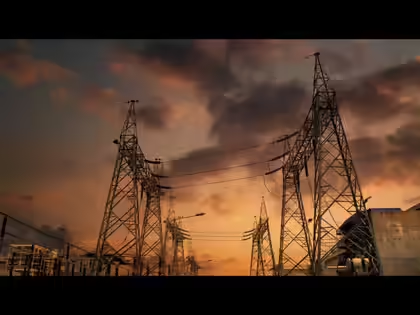
The argument that the tariff revision promotes efficiency rings hollow in the context of an unavoidable surge in electricity usage driven by climate conditions. Between 6 p.m. and 10 p.m. the designated peak hours families have little flexibility to reduce consumption without sacrificing basic comfort and safety.
More troubling is the broader policy approach underpinning the hike. The burden of inefficiencies, operational losses, and alleged procurement irregularities appears to be shifted directly onto consumers.
Despite assurances from regulators that controversial coal procurement costs were not factored into the tariff, skepticism persists.
Public distrust is fueled by longstanding allegations of mismanagement within the energy sector, including claims of low-quality coal imports that have historically increased generation costs.
At its core, the issue is not merely about pricing it is about accountability. Consumers are being asked to absorb rising costs without clear transparency on how those costs are generated or controlled.
The lack of structural reform within the electricity sector raises the question: why should citizens pay for systemic inefficiencies they did not create?
The situation is further complicated by looming global uncertainties. While the PUCSL claims the current revision does not account for potential fuel price spikes due to geopolitical tensions, it has already signaled that future increases are possible.
This creates an environment of economic unpredictability for households already living on the edge.
In a country still recovering from financial crisis, the electricity tariff hike risks deepening inequality and eroding public trust.
Without meaningful reforms to improve efficiency, ensure transparent procurement, and protect vulnerable consumers, such increases will continue to be seen not as necessary adjustments but as unjust burdens imposed on a struggling population.