




By a special correspondent
Sri Lanka is edging toward a fragile energy situation, where global geopolitics and local climate conditions are converging to strain electricity supply. Concerns are mounting that tensions in the Middle East particularly involving Iran and the strategic Strait of Hormuz could disrupt fuel imports critical to keeping the nation’s lights on.
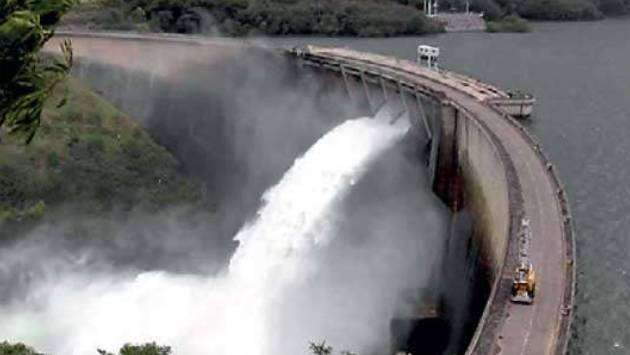
At the heart of the issue is a multi-layered supply crisis. Hydropower, which can contribute up to 55% of electricity during wetter months, is now weakening as the dry season intensifies. Reservoir inflows have dropped sharply, with key catchment areas receiving little to no rainfall, reducing the systems most reliable and cost-effective energy source.
Compounding this decline are persistent inefficiencies in coal power generation. The use of lower-grade coal and operational constraints have already limited output. Adding to the challenge, coal shipments cannot be unloaded between April and late August due to rough sea conditions, effectively cutting off a major supply line for months.
With both hydro and coal under pressure, Sri Lanka has turned increasingly toward diesel-powered generation. While effective in the short term, diesel is significantly more expensive and heavily dependent on imports making it vulnerable to global supply disruptions.
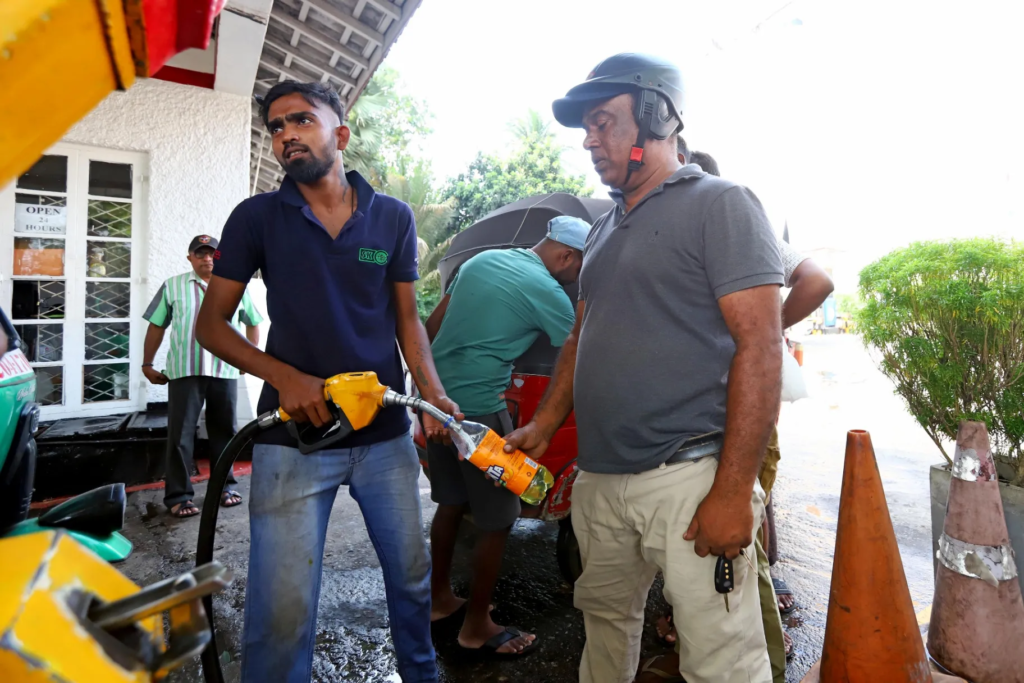
Recent delays in crude oil shipments have further intensified the strain. The country’s only refinery, which produces essential fuels like naphtha, faces operational limits due to supply shortages. As a result, naphtha—a key input for electricity generation has become scarce, forcing a costly shift to diesel, especially for nighttime power.
Government officials have acknowledged that maintaining uninterrupted electricity under these conditions comes at a steep financial cost. Subsidies on fuel continue to drain public finances, with billions spent monthly to keep prices stable despite soaring import costs.
Although emergency fuel shipments have been scheduled and authorities insist there will be no immediate power cuts, the system remains highly exposed. Any disruption in fuel supply chain particularly amid geopolitical tensions could quickly escalate into a full-blown energy crisis.
At the same time, weather forecasts suggest worsening risks. A potential shift toward El Niño conditions in the coming months could weaken monsoon rains, further reducing hydropower capacity and prolonging reliance on thermal generation.
Sri Lanka’s energy security now hinges on a delicate balance of fuel imports, weather patterns, and financial resilience. Without structural changes or diversification, the country risks deeper instability in its power sector in the months ahead.