




By a special correspondent
Sri Lanka’s graphite industry, long overshadowed by tea and apparel exports, is drawing renewed attention following investment discussions with a U.S. delegation led by Montana State Partnership Program officials and executives from Mooney Group LLC. Their proposal could mark a turning point for a sector operating well below its geological potential.
Sri Lanka’s graphite deposits are globally unique. Unlike flake graphite mined in countries such as Mozambique and China, Sri Lanka produces rare crystalline vein graphite with exceptionally high purity. This makes it especially attractive for high-end applications in defense electronics, semiconductors, and next-generation battery technologies.
Industry Status: February 2026 Snapshot
Despite these advantages, Sri Lanka’s graphite output remains under 10,000 metric tons per year, representing less than 1% of global supply. Industry analysts estimate annual export earnings at roughly USD 15–20 million negligible in comparison to the global graphite market valued at over USD 15 billion in 2025 and projected to grow sharply with electric vehicle demand.
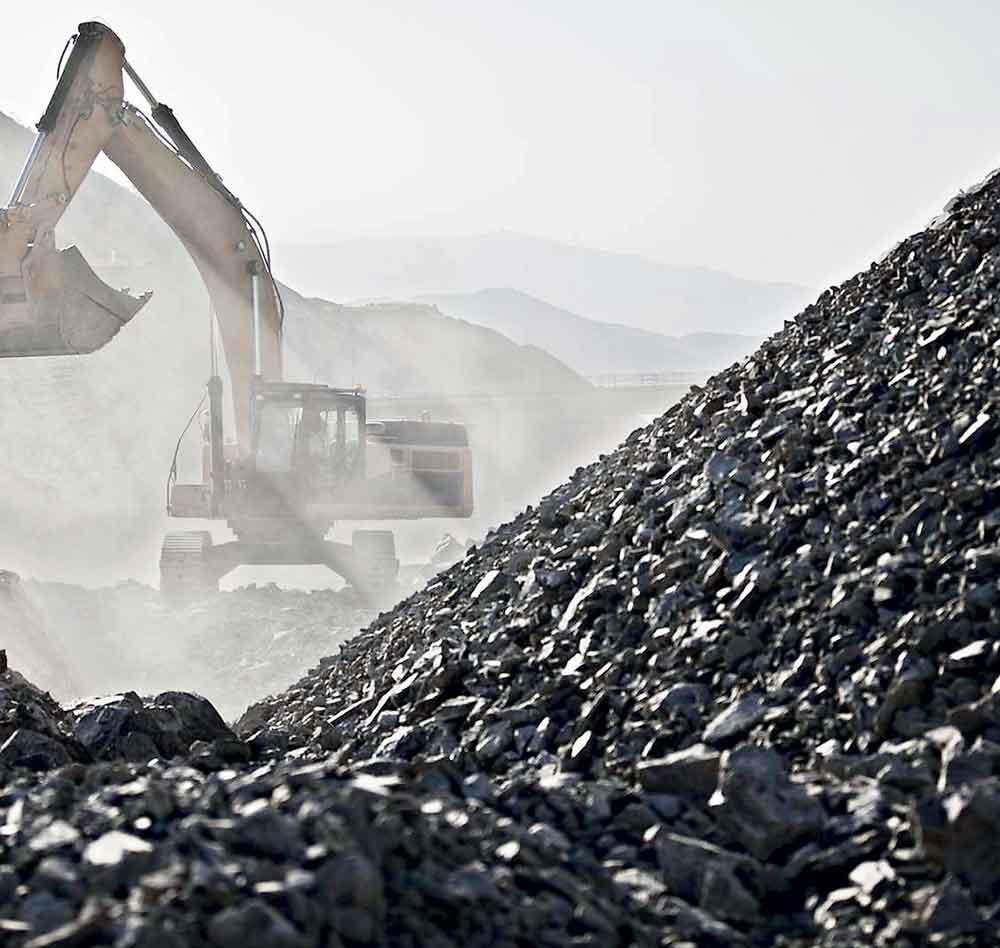
The sector remains technologically under-equipped. Mechanized mining is limited, beneficiation capacity is modest, and no large-scale spherical graphite processing facility currently operates in-country. Environmental monitoring frameworks exist but require modernization to meet advanced Western compliance standards.
What the U.S. Deal Could Deliver
The Mooney Group focuses on optimizing mining and processing operations for minerals critical to advanced industries. Their involvement could catalyze three major shifts:
Technology Transfer: Advanced extraction and purification methods could improve recovery rates and reduce waste.
Market Access: Direct integration into U.S. supply chains may shield Sri Lankan producers from volatile spot markets.
Value Addition: Establishing downstream processing would capture higher margins and create skilled employment.
The potential ripple effects are substantial. If annual production doubled within five years a realistic target with mechanization and capital injection export revenues could exceed USD 50 million annually. More importantly, positioning Sri Lanka as a reliable, high-purity graphite supplier could attract complementary investments in battery component manufacturing.
Balancing Opportunity and Oversight
However, caution is warranted. Foreign investment in extractive sectors often raises questions about profit repatriation, resource sovereignty, and environmental stewardship. Transparent contract terms and robust regulatory oversight will be essential to ensure long-term national benefit.
The visit by the Montana delegation, alongside Sri Lankan officials including Deputy Chief of Mission Maduka Wickramarachchi and Commerce Minister Nalinda Wijerathne, signals political alignment behind the initiative. Defense sector engagement also underscores graphite’s classification as a strategic material.
For Sri Lanka, the choice is clear: remain a marginal raw exporter or evolve into a competitive player in the global critical minerals ecosystem. U.S. capital alone will not determine the outcome but it may provide the catalyst the industry has long awaited.