




Sixteen years after one of Sri Lanka’s most controversial state land transactions, the sale of six acres of prime military headquarters land at Galle Face to the Hong Kong-based Shangri-La Group has returned to the spotlight, as anti-corruption campaigners push for renewed investigations into allegations of a US$5 million bribery scheme involving former President Mahinda Rajapaksa and members of his family.
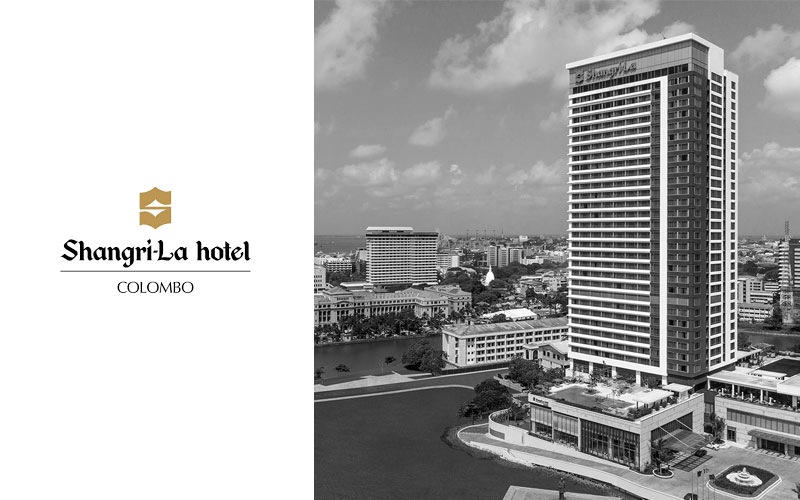
The transaction, completed in December 2010, saw the government sell the strategically located beachfront property outright to Shangri-La for US$75 million. From the outset, opposition politicians and civil society groups questioned the valuation, arguing that the land had been sold at a “dirt cheap” price without a competitive open-tender process, allegedly causing significant losses to the state.
At the heart of the renewed controversy is a complaint alleging that a US$5 million bribe—worth approximately Rs.900 million to Rs.1 billion at the time was paid to facilitate the transaction. According to complaints filed with investigative authorities, the payment was not made directly but was allegedly routed through two offshore companies, TPL Inter and Helliard, both reportedly incorporated in the British Virgin Islands.
Investigative documents claim the two entities were established under the guise of providing consultancy services for the Shangri-La Colombo project. The complaint alleges that these consultancy payments served as a front for transferring gratification money connected to the land sale.
According to information submitted to investigative bodies and court proceedings, portions of the funds were subsequently transferred back to Sri Lanka. Investigators allege that part of the money was deposited into two fixed deposits under the account of a local private company named Amtrad, while additional funds were allegedly used to purchase private properties in Gampaha and Matara for members of the Rajapaksa family.
The allegations have gained fresh attention following a special exposé by the YouTube investigative platform Mee Massoo TV. The programme claims its findings are based on an affidavit allegedly submitted on October 28, 2015, by Singaporean businessman Chidambaram, owner of TPL Inter, to the former Financial Crimes Investigation Division (FCID).
According to the programme, the affidavit was recorded in Singapore before then FCID Director Ravi Waidyalankara and senior investigators.
The exposé also cites statements attributed to former parliamentarian Sajin Vass Gunawardena, once regarded as one of the Rajapaksa family’s closest political associates. Gunawardena reportedly claimed that the alleged bribe money was invested in the purchase of the Tangalle Bay Hotel by two sons of the Rajapaksa family and in financing the operations of the CSN media network.
The report further alleges that the funds were laundered into Sri Lanka through a prominent private financial institution before being invested in various assets.
Separately, an audio recording circulating on social media, purportedly capturing a telephone conversation between Gunawardena and former minister Lohan Ratwatte, contains claims by Gunawardena that he received death threats from members of the Rajapaksa family. The authenticity of the recording and the allegations it contains have not been independently verified.
Although complaints regarding the Shangri-La transaction and related FCID investigations have existed for nearly a decade, legal proceedings have progressed slowly. However, the case has recently regained momentum amid intensified anti-corruption efforts by the Commission to Investigate Allegations of Bribery or Corruption (CIABOC), which has pledged to expedite long-delayed political corruption investigations.
Adding to the renewed pressure, Jamuni Kamantha Thushara, President of Citizens’ Power Against Bribery and Corruption, is expected to formally submit a fresh complaint to CIABOC seeking a comprehensive investigation into the alleged bribery scheme.
The renewed focus comes as the Shangri-La Hotel itself remains linked to separate legal proceedings involving a court order over assets connected to the 2019 Easter Sunday bombings. While those proceedings are unrelated to the original land transaction, together they have once again placed one of Sri Lanka’s most controversial property deals under intense legal and public scrutiny.
Neither former President Mahinda Rajapaksa nor members of his family have been convicted of any offence in connection with these allegations, and the claims remain subject to ongoing legal and investigative processes.