




By promising extraordinary returns from mangoes, cinnamon and pepper plantations while rapidly expanding a supermarket chain across Sri Lanka, the Kasagala Group of Companies has projected the image of a thriving agribusiness success story. Today, however, that image is under intense scrutiny as the Central Bank of Sri Lanka (CBSL) investigates whether its investment operations amount to an unauthorized public deposit-taking scheme.

The investigation has placed Kasagala Green Plantation (Private) Limited at the centre of one of the country’s most closely watched financial regulatory inquiries. While the company insists its business model is built on agriculture and forward crop agreements, the CBSL is examining whether the substance of its operations falls within the definition of illegal finance business under the Finance Business Act No. 42 of 2011.
The controversy deepened dramatically after the company’s Director, Malwattage Ranjith Nandana Pieris, stated during an ITN television programme on June 8, 2026, that Kasagala was regulated by the Central Bank and submitted compliance reports every six months.
Four days later, the Central Bank publicly rejected those claims, describing them as “factually incorrect, misleading and devoid of any legal basis.” The regulator warned that such statements could create the false impression that Kasagala enjoyed official regulatory approval, potentially exposing unsuspecting investors to significant financial risk.
That unprecedented public rebuttal has become a defining moment in the investigation.
Kasagala maintains that it operates legally as a company incorporated under the Companies Act and argues that investors are purchasing agricultural projects rather than placing deposits with a finance company. According to the company, its investment model is backed by productive assets including plantations cultivating TJC mangoes, cinnamon, black pepper and bell pepper, with produce sold locally through the Kasagala Green Super retail chain and exported overseas.
Regulators, however, are expected to look beyond marketing terminology and examine the economic reality of the transactions.
The company reportedly invites members of the public to invest from Rs.100,000 upwards, offering fixed monthly cash returns over periods ranging from six months to three years while promising repayment of the original capital at maturity. The CBSL’s position is that if public money is accepted with guaranteed repayments, the arrangement may constitute deposit-taking requiring regulatory approval, irrespective of how the contracts are described.
Another critical question expected to feature prominently in the investigation is the source of investor returns.
Kasagala states that its agricultural and retail operations generate commercial income capable of supporting investor payouts. Yet financial regulators are reportedly examining whether those returns are primarily funded by genuine business profits or rely substantially on cash received from new investors. If the latter were established by investigators, it could indicate the characteristics of an unauthorized investment scheme rather than a self-sustaining agribusiness model. To date, no official finding has been made on this issue.
The group’s rapidly expanding supermarket network, with outlets including Kaduwela, Athurugiriya, Angoda, Ganemulla, Matale, Gampola and Narammala, has also attracted attention. Although marketed as a vertically integrated farm-to-market operation, available product listings indicate that the stores largely resemble conventional supermarkets, stocking a wide range of third-party groceries, household goods, frozen foods, cosmetics and dairy products alongside produce sourced from the company’s farming operations.
The investigation comes amid heightened regulatory concern over unlicensed investment schemes targeting retail investors with promises of unusually high or guaranteed returns. Financial experts have repeatedly cautioned that sustainable commercial enterprises rarely deliver consistently high fixed returns without corresponding levels of financial risk.
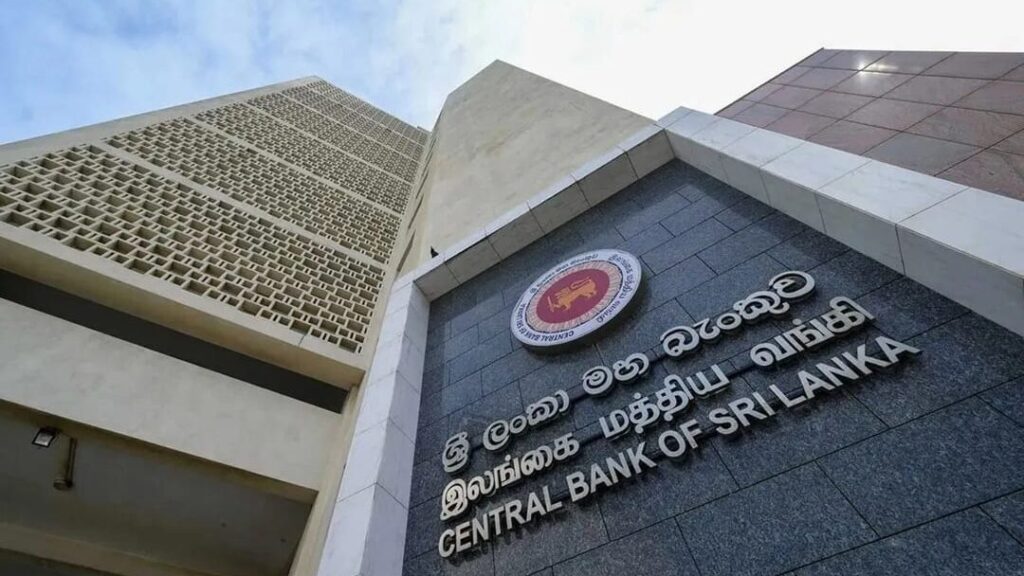
The CBSL’s inquiry is expected to determine whether Kasagala’s business model represents an innovative agricultural financing mechanism operating within the law or an unauthorized financial enterprise requiring regulatory enforcement.
Until those findings are made, the Central Bank has advised the public to exercise extreme caution before investing funds with any institution that is not licensed or authorized to accept public deposits. The outcome of the investigation is likely to become a significant test case for Sri Lanka’s financial regulatory framework and for public confidence in alternative investment schemes.
By a Special Correspondent