




Sri Lanka’s fragile economic recovery has entered a contentious new phase after Central Bank Governor Nandalal Weerasinghe warned Parliament that lowering the country’s inflation target could undermine growth and destabilize the post-crisis economy. His remarks before the Committee on Public Finance have reignited debate over whether the Central Bank’s monetary framework truly serves long-term development or merely protects financial orthodoxy demanded by international lenders.
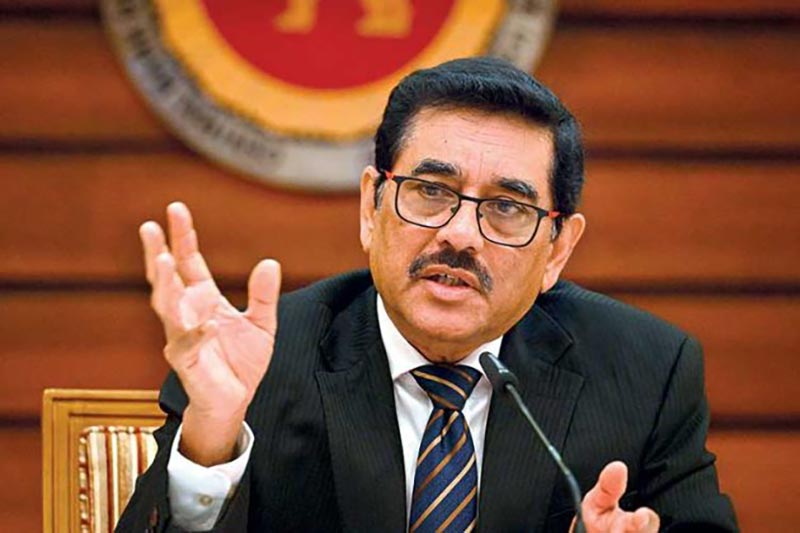
Under the 2023 Central Bank Act, Sri Lanka adopted a medium-term inflation target of 5 percent, allowing fluctuations between 3 and 7 percent under a policy agreement negotiated jointly with the Finance Ministry. That agreement expires in August, and influential voices within government are reportedly advocating for a lower target closer to 2 percent. Yet the Governor insists such a move would demand aggressive monetary tightening, including higher interest rates, which could suffocate growth before the economy regains momentum.
The Governor’s warning exposes a central contradiction in Sri Lanka’s economic strategy. Policymakers want rapid economic expansion while simultaneously demanding extremely low inflation. According to Weerasinghe, these objectives cannot coexist under current conditions. Bringing inflation down from 5 percent to 2 percent would require restrictive monetary measures that reduce lending, weaken investment, and limit domestic consumption. In practical terms, ordinary businesses and households would pay the price through expensive credit and slower economic activity.
Critics argue this demonstrates the inherent limitations of the Central Bank’s so-called independence. Although the institution is legally insulated from direct political interference, its monetary policies remain deeply intertwined with fiscal pressures, debt restructuring obligations, and external expectations from multilateral institutions. The Governor himself acknowledged that inflation targets are determined through consultations with the Finance Ministry and government authorities, raising questions on how independent monetary policymaking truly is in practice.
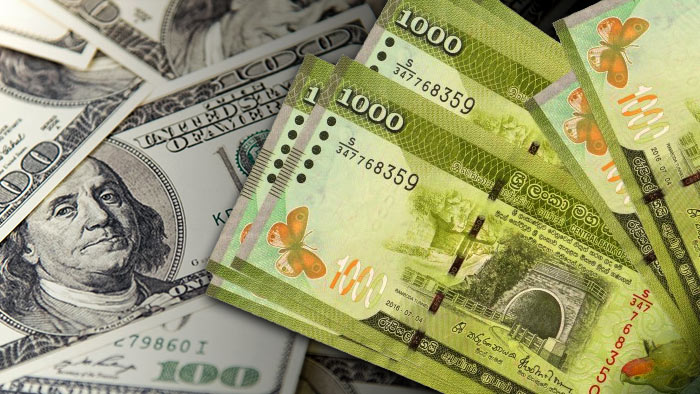
Economists remain divided on whether moderate inflation can actually stimulate growth in developing economies like Sri Lanka. Supporters of the current framework argue that maintaining inflation around 5 percent allows liquidity to circulate, encourages borrowing, and supports production during recovery. However, opponents warn that tolerating higher inflation risks eroding purchasing power, weakening savings, and disproportionately hurting low-income households already battered by the economic crisis.
The debate also reflects deeper structural weaknesses. Sri Lanka’s economy still depends heavily on imports, remittances, and foreign borrowing, leaving it vulnerable to exchange-rate volatility and external shocks. A flexible exchange rate system combined with moderate inflation may help sustain growth temporarily, but without reforms in productivity, exports, and industrial competitiveness, monetary policy alone cannot deliver sustainable prosperity.
Ultimately, the Governor’s remarks reveal the difficult balancing act facing Sri Lanka’s policymakers. The country must choose between prioritizing price stability or stimulating growth in a fragile recovery environment. Yet the larger question remains unanswered: whether the Central Bank’s regulatory independence is genuinely designed to protect the public interest, or simply to enforce economic discipline that limits democratic control over national development priorities.
By a Special Correspondent