




Sri Lanka’s tea sector is entering a critical period as declining harvests, harsh weather conditions, rising taxes, and currency volatility place unprecedented strain on one of the nation’s most important export industries. New production data released for April 2026 highlights growing concerns among producers and exporters who fear the sector may struggle to sustain global competitiveness without immediate policy support.
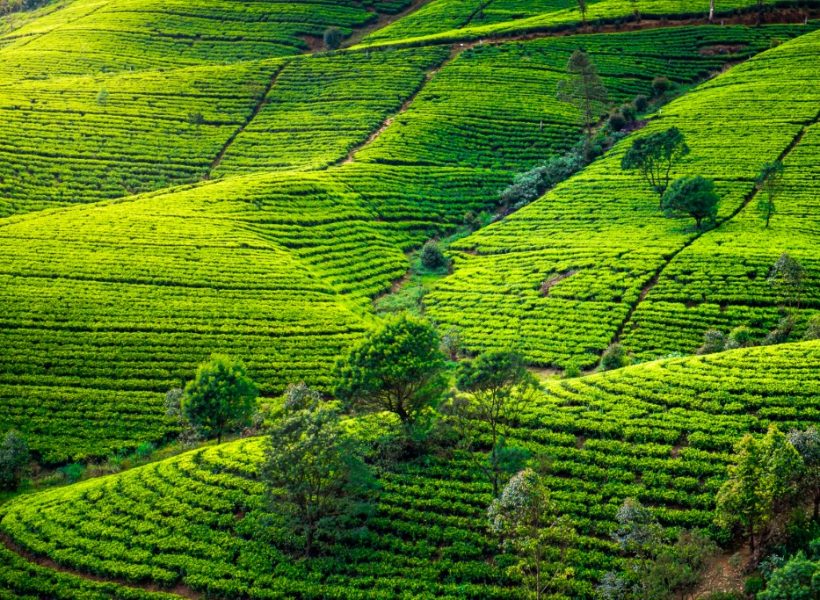
Tea production during April dropped to 24.22 million kilograms, reflecting an 8.5% decline compared with the same period last year. The fall was largely driven by weak performance in the Low Grown category, which accounts for a significant share of Sri Lanka’s export-oriented tea production.
Low Grown output fell by 14.4% year-on-year, declining from 14.76 million kilograms to 12.64 million kilograms. Industry officials attribute the sharp drop primarily to severe dry weather conditions and reduced fertiliser use among smallholder farmers during previous months.
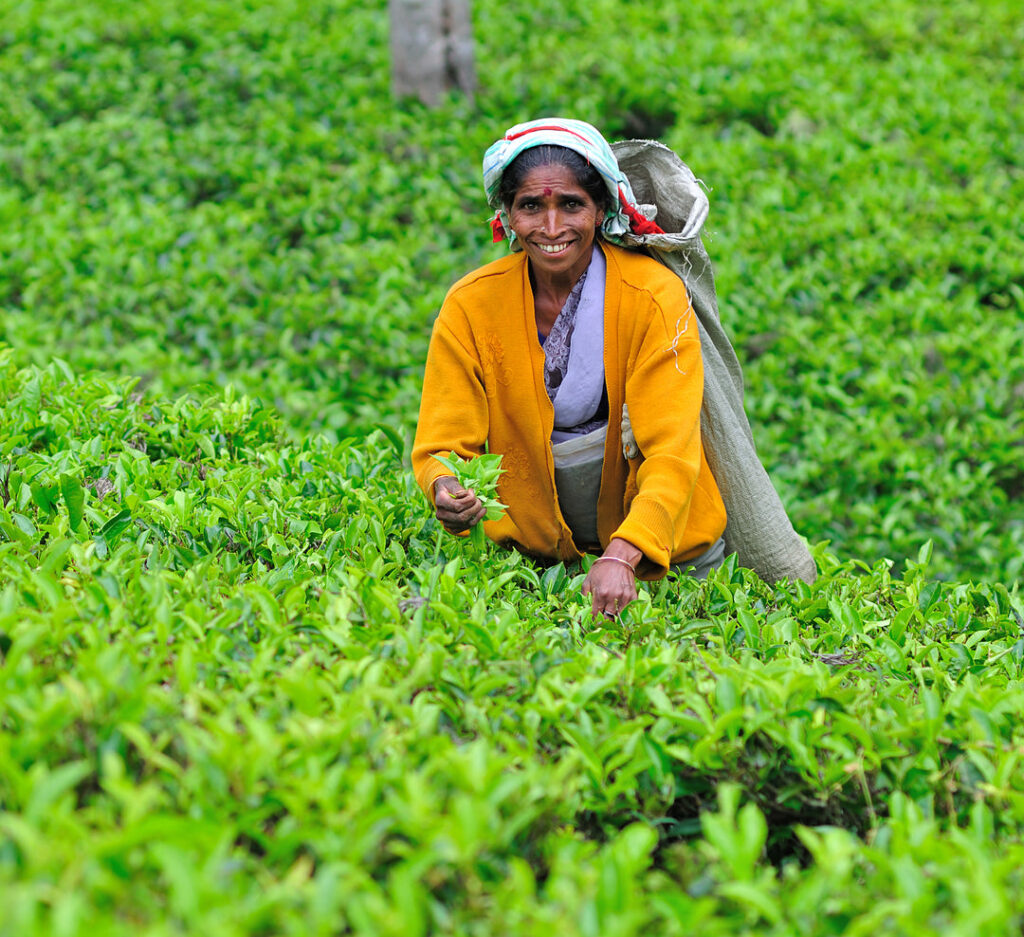
Smallholders, who contribute heavily to Sri Lanka’s tea economy, are increasingly struggling with rising cultivation costs. The depreciation of the Sri Lankan rupee has sharply inflated prices for imported fertiliser, agrochemicals, machinery parts, and fuel, forcing many growers to cut back on essential agricultural inputs.
Although a weaker rupee generally benefits exporters by increasing the local currency value of foreign earnings, the current economic environment has created a more complicated reality. Exporters say the gains from currency depreciation are being offset by escalating operational expenses and shrinking production volumes.
Freight charges, electricity tariffs, labour costs, and packaging expenses have all risen significantly over the past year. At the same time, producers continue to face a heavy domestic tax burden alongside international trade-related duties imposed in several export destinations.
Market analysts warn that these combined pressures are reducing Sri Lanka’s ability to compete with other tea-producing nations. Countries such as Kenya, India, and Vietnam continue to expand output at comparatively lower production costs, while Sri Lanka’s premium tea positioning becomes harder to sustain amid rising prices.
The cumulative production data for January to April 2026 confirms the broader industry slowdown. Total tea production fell 5.3% year-on-year to 83.94 million kilograms, with both Low and Medium Grown categories recording notable declines. High Growns also weakened, though at a slower pace.

Despite the overall downturn, the Green Tea segment emerged as a rare positive performer, posting cumulative growth of 4.6%. However, analysts note that green tea volumes remain too small to offset the broader decline affecting the mainstream orthodox tea sector.
Industry observers say the crisis facing Sri Lanka’s tea industry extends beyond temporary weather disruptions. Years of underinvestment, policy uncertainty, labour shortages, and rising taxation have gradually weakened the sector’s resilience.
Exporters and plantation companies are now calling for urgent government intervention, including tax relief, subsidised fertiliser access, and stronger support for climate-resilient cultivation methods. Without decisive reforms, the tea industry risks prolonged contraction at a time when Sri Lanka can least afford to lose valuable foreign exchange earnings from one of its most iconic export sectors.
By a Special Correspondent