




Concerns are mounting within Sri Lanka’s tourism industry that proposed reforms to the sector’s governance structure could inadvertently expand bureaucracy, undermine professional management, and weaken the country’s ability to compete with faster-moving regional destinations. Industry leaders argue that instead of streamlining operations, the creation of new institutional layers risks duplicating existing functions and slowing decision-making in a sector that depends on agility and global responsiveness.
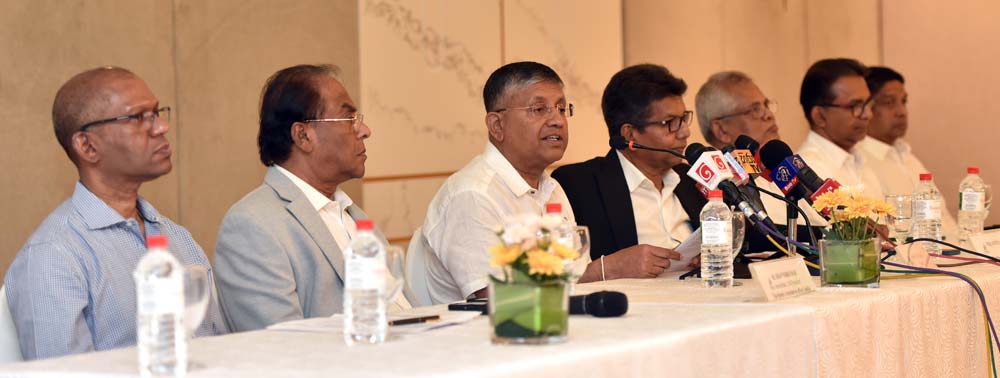
Representatives of the Hotels Association of Sri Lanka have questioned proposals within the Government’s policy framework to establish new bodies such as a National Tourism Commission and a Tourism Policy Formulation Council. They argue that these additional structures would replicate roles already performed under existing mechanisms and could reintroduce administrative bottlenecks that previous reforms were designed to eliminate. According to industry officials, the focus should remain on strengthening execution within the current system rather than expanding institutional architecture.
A central argument raised by stakeholders is that the existing framework under the Sri Lanka Tourism Development Authority already provides adequate legal and operational capacity to manage tourism development. They contend that the authority, if fully utilised, is capable of handling destination marketing, investment facilitation, and product development without the need for additional councils or commissions. The issue, they argue, lies in inconsistent application of existing powers rather than structural deficiency.
Industry leaders have also raised concerns about governance practices within tourism institutions, particularly the appointment of non-specialists to key leadership positions. They argue that roles such as Director General and Managing Director require deep sector expertise, especially in destination branding and international marketing. Political appointments, they warn, risk weakening institutional credibility and reducing operational effectiveness at a time when competition for tourists is intensifying across Asia.

Another major point of contention is the reliance on standard civil service salary structures for tourism bodies. Industry representatives argue that this approach makes it difficult to attract and retain skilled professionals in areas such as digital marketing, market analytics, and tourism product development. They note that competing destinations have increasingly adopted flexible compensation models to secure global talent, while Sri Lanka risks falling behind due to rigid public-sector pay frameworks.
Although existing legislation allows tourism boards to design competitive remuneration packages, stakeholders say these provisions have been underutilised. As a result, institutions struggle to recruit high-calibre professionals needed to modernise marketing strategies and improve international positioning. Industry leaders warn that without addressing this human resource gap, even well-designed policies will fail at the implementation stage.
Calls from the sector are now converging on a single theme: reform should prioritise efficiency, professionalisation, and execution rather than expanding bureaucracy. Without such recalibration, they caution, Sri Lanka risks entrenching structural inefficiencies at a time when its tourism industry is essential to broader economic recovery.
By a Special Correspondent