




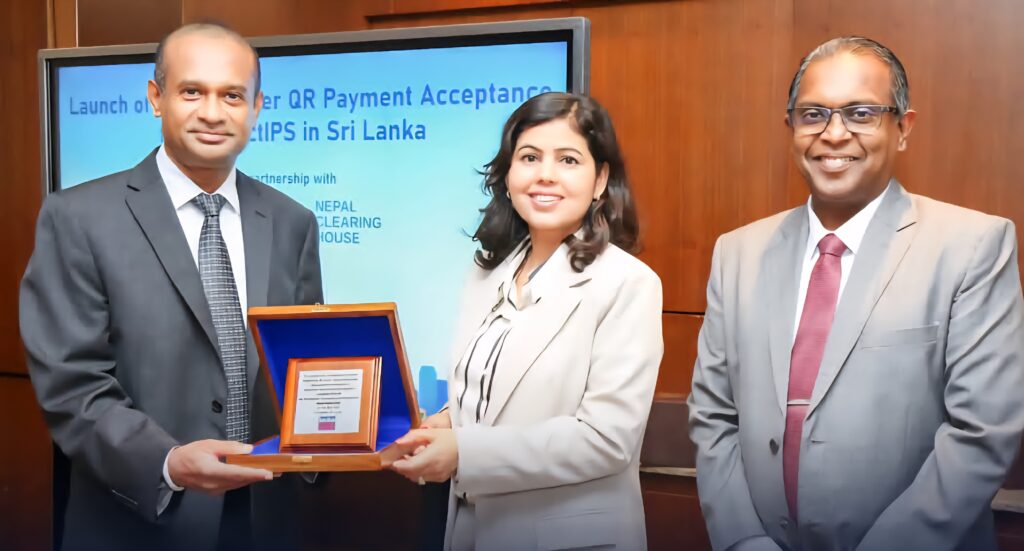
A quiet financial revolution is unfolding between Sri Lanka and Nepal. The launch of cross-border QR payments this week now allows Nepali travellers in Sri Lanka to purchase goods and services instantly using familiar domestic mobile banking applications, eliminating the traditional dependency on physical currency exchange and international payment cards.
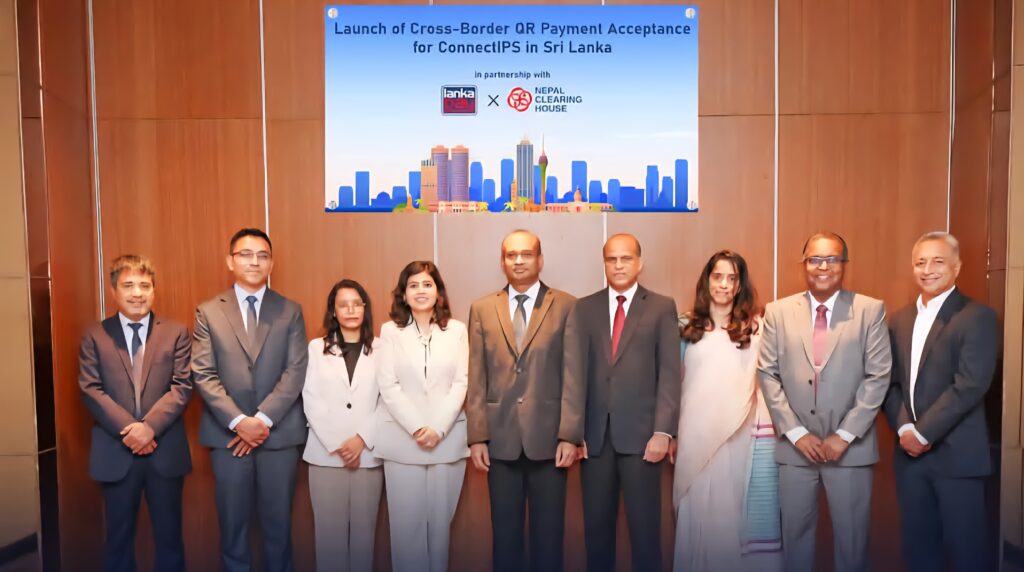
The initiative connects Nepal’s national payment ecosystem including connectIPS and participating banking apps with Sri Lanka’s LankaQR network, which currently spans more than 400,000 merchants nationwide. Officials say the arrangement enables secure, real-time settlement between the two countries while improving convenience for tourists, business travellers, and merchants.
Behind the announcement lies a broader geopolitical and economic strategy. South Asian nations have increasingly recognised that regional economic integration remains far behind global standards despite decades of SAARC cooperation. Digital payment interoperability is now emerging as a practical mechanism to strengthen regional commerce without requiring lengthy free-trade negotiations.
The Sri Lanka-Nepal partnership reflects growing efforts to revitalise bilateral trade and investment ties. Earlier this month, Colombo witnessed the launch of the Sri Lanka–Nepal Business Council, designed to encourage investment, tourism, and public-private partnerships between the two nations. Parallel discussions between chambers of commerce and diplomatic missions have focused heavily on SME development, technology transfer, and tourism promotion.
Economically, the stakes are significant for both sides. Sri Lanka is attempting to sustain post-crisis recovery through export growth, tourism earnings, and foreign investment inflows. Reuters recently reported that Sri Lanka expects economic growth above 5 percent in 2026 while targeting US$500 million in tourism investments. Nepal, meanwhile, recorded an 18.8 percent rise in foreign trade in 2025, although imports still vastly exceed exports.
Supporters argue the QR system could particularly benefit ordinary citizens and smaller enterprises. Nepali tourists visiting Sri Lanka’s hotels, restaurants, transport operators, and retail outlets may now spend more freely without worrying about exchange counters or foreign transaction charges. Merchants in Sri Lanka, especially small businesses dependent on tourism, gain access to a growing regional customer base with faster payment settlement and lower cash-handling risks.
However analysts caution against overstating the immediate economic impact. Bilateral trade between the two countries remains extremely small compared to regional giants such as India and China. Sri Lankan exports to Nepal totaled only around US$3.86 million in 2024. The absence of direct large-scale investment projects and limited transport connectivity continue to restrict commercial expansion.
There are also operational concerns. Digital exclusion remains a challenge in both countries, particularly among elderly users and rural businesses lacking strong banking access or smartphone literacy. Cybersecurity experts warn that interconnected payment systems require sophisticated fraud monitoring and stronger regional regulatory coordination to prevent money laundering or cross-border financial abuse.
Moreover, critics question whether tourism-focused digital integration can create lasting economic transformation. Several Sri Lankan observers note that while tourist arrivals are rising, per-capita tourist spending has not recovered to pre-crisis levels, limiting broader economic benefits.
Still, the launch carries major symbolic value. In a region often criticised for weak economic integration, the Sri Lanka-Nepal QR initiative demonstrates how digital finance can bypass traditional bureaucratic barriers. If expanded successfully into remittances, trade payments, and investment facilitation, the partnership could mark the beginning of a wider South Asian digital economic corridor.
By a Special Correspondent