




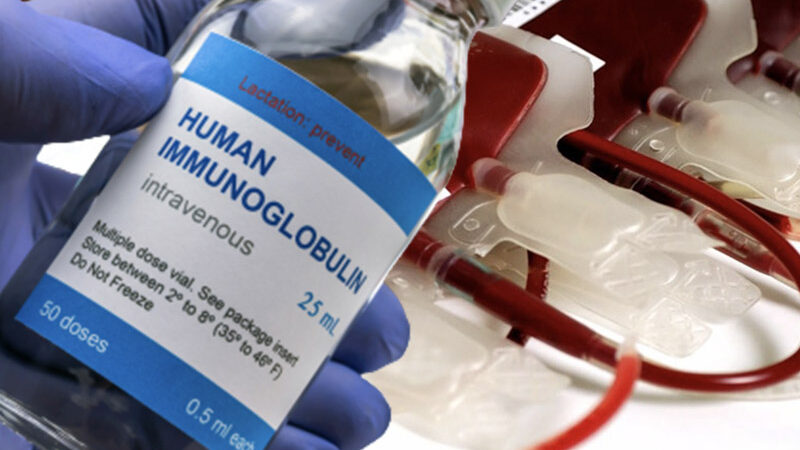
The Trial-at-Bar at the Colombo Permanent High Court-hearing the case against 12 accused, including former Health Minister Keheliya Rambukwella, over the misappropriation of LKR 144.4 million in public funds through the supply of substandard human immunoglobulin and rituximab to the state healthcare system-witnessed a decisive day that thoroughly exposed gaps in the investigating officers’ testimonies and underlying biases in the prosecution’s narrative.
Yesterday, Inspector of Police (IP) Eranga Prabhash Laksiri of the Criminal Investigation Department’s (CID) Special Investigation Unit-1, which handles highly sensitive cases, took the stand. Testifying as the 339th prosecution witness led by Deputy Solicitor General (DSG) Lakmini Girihagama, IP Laksiri detailed his background, noting his involvement in over 500 criminal investigations. However, during his testimony, the defense counsels successfully and logically dismantled a series of strategically framed questions by the prosecution.
Defense Intercepts Prosecution’s Cunning “Standard” vs. “Non-Standard” Trap
When the DSG questioned the witness regarding the drug procurement process, she attempted to subtly establish a pre-determination against the accused.
- Deputy Solicitor General: “How did you uncover information that there was an emergency procurement system in the health sector outside the standard procurement method?”
Defense Counsel Amitha Ariyaratne immediately stood up, bringing the Court’s attention to the highly dangerous legal implication of the prosecution’s phrasing.
- Counsel Amitha Ariyaratne: “My Lords, I strongly object to the use of the term ‘standard’ procurement method in this questioning. The antonym of standard is ‘non-standard’ or ‘unorthodox’. Framing the question this way implies that all procurements conducted outside the normal method are unorthodox or illegal.”
The three-judge bench upheld this highly justified objection and directed the prosecution to use the correct, neutral terminology: “normal procurement procedure.” This was a severe legal blow to the prosecution, thwarting the attempt to use the investigating officer to brand the administrative procedures as ‘unorthodox’ right from the outset.
Nayantha Wijesundara’s Strong Objection to Uncorroborated Claims
Testifying on the procurement of drugs under the EOI (Expression of Interest) method, the CID officer stated that information revealed a meeting chaired by the Health Minister was held regarding the use of this procedure.
At that moment, Senior Counsel Nayantha Wijesundara, representing the eighth accused, raised a strong objection, dismantling the witness’s baseless statement.
- Counsel Nayantha Wijesundara: “My Lords, I strongly object to the statement that the relevant meeting was chaired by the Health Minister. No such evidence has been revealed in any testimony presented thus far. Therefore, I object to this statement!”
This precise intervention rightly challenged the attempt to implicate the Minister based merely on the investigating officer’s assumptions, which remained completely unsupported by prior evidentiary records.
The Mystery Behind Not Summoning the Original Complainants
During his testimony, the CID officer confirmed that the investigation was initiated based on two written complaints lodged by Sanjeewa Gerard Perera (a personal advisor to the then Health Minister) and Gamini Kamantha. Even the copies of the crucial WOR (Waiver of Registration) certificates were obtained by investigators through these initial complaints.
Counsel Asela Serasinghe raised a serious legal issue here, pointing out a critical discrepancy by the prosecution.
- Counsel Asela Serasinghe: “My Lords, these two original complainants have not been summoned as witnesses in this case. Calling them to testify is the responsibility and duty of the prosecution!”
Through this, the defense demonstrated to the High Court that the prosecution had deliberately bypassed the defense’s right to cross-examine the very individuals who laid the foundation for the entire investigation. Although the DSG stated they could be summoned if necessary, avoiding the individuals who formed the absolute basis of the case raised significant suspicions.
The Investigation Process, Missing Files, and NMRA Gaps
The investigating officer noted that on October 3, 2022, the then CEO of the NMRA, Dr. Vijith Gunasekera (the 12th accused), lodged a complaint regarding complications experienced by patients at the National Hospital due to this drug. Investigations revealed that two files containing WOR copies were kept at the Medical Supplies Division (MSD)—one maintained by the Stock Controller and the other by Director Dr. Kapila Wickramanayake (the 2nd accused). The file used to make payments to the supplier (marked as P-134) was found in the Supplies Accounting Division.
Although the NMRA should have taken immediate action when complications were reported, it was revealed that the SafRAC (Specialist Advisory Committee) had not been informed. However, the witness admitted that SafRAC member Dr. Rajiva de Silva and the Director of NMQAL had taken steps to withdraw and test the relevant drug.
Supplying 3,985 from a Tender of 22,500 and Purchasing Blood Plasma
Several critical facts regarding the reality of the drug procurement were revealed during the testimony:
• Discrepancy in Company Name: While the award was granted to a limited liability company named ‘Isolez Biotech Pharma AG Limited’, the Purchase Orders (POs) and cheques were issued to a sole proprietorship named ‘Isolez Biotech Pharma AG’.
• Quantity Discrepancy and Plasma: Although the tender was awarded for 22,500 vials of Immunoglobulin, only 3,985 vials were supplied across 14 invoices. Proportionally, blood plasma was purchased from the National Blood Transfusion Service by the first accused, Sudath Janaka Fernando. The Rituximab drug was also supplied on two occasions under 4 invoices.
The EOI Method and the Absconding Witness
Testimony confirmed that these drug purchases were not made under the Indian Credit Line, but under the Essential Goods Procurement (EOI) via a cabinet paper.
• Although it was declared that 285 drugs would be procured under the EOI, order lists had not been properly prepared. Purchase Orders were issued for only 158 of them, and by the time the investigation commenced, only 45 drugs had been received.
• The witness informed the Court that Dr. Jayanath Buthpitiya of the MSD, a member of the procurement evaluation committee (from whom the CID had obtained photocopies), had gone abroad on a three-month leave and has not returned to date.
The CID officer also stated that an attempt to inspect the first accused’s Seeduwa factory on a magistrate’s warrant initially failed due to a power outage, and it was later inspected after escorting the accused from prison.
Overall, although the prosecution attempted to build a strong case against the accused through the CID investigating officer’s testimony, the logical and justified interventions by defense counsels Nayantha Wijesundara, Amitha Ariyaratne, and Asela Serasinghe effectively brought to the High Court’s attention the inconsistencies and evidentiary gaps present in the prosecution’s narrative.