




Sri Lanka’s formal tourism industry is facing renewed pressure after steep increases in liquor licence fees sparked concern among hotel operators, who warn that the move could weaken the country’s competitiveness and accelerate the growth of unregulated tourism businesses.
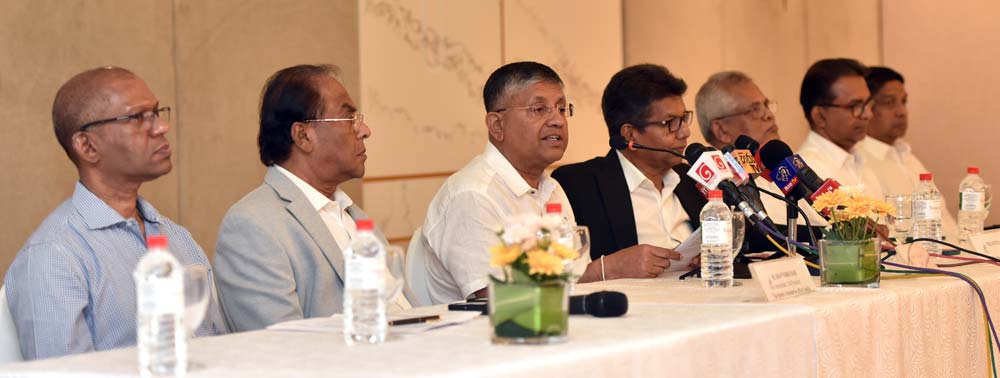
The Hotels Association of Sri Lanka (THASL) says the revised fee structure, introduced earlier this year, has significantly increased operational expenses for licensed hotels already struggling with rising utility, fuel, labour, and taxation costs. Industry representatives argue that the policy unfairly burdens legitimate businesses while allowing informal operators to function with minimal oversight.
Addressing a recent media briefing, THASL President Asoka Hettigoda cautioned that excessive licensing costs risk discouraging compliance within the sector. According to him, formally registered hotels continue to shoulder strict regulatory responsibilities, tax obligations, and quality standards, while many unlicensed establishments operate outside the legal framework without meaningful enforcement action.
Hotel operators claim the latest revisions have affected several key liquor permits widely used by tourism establishments, including FL7, FL8, and FL11 licences. THASL member Sanjeewa Anthony stated that some fees have nearly doubled, with increases ranging between 80% and 100%.
Beyond annual renewals, authorities have also imposed additional deposits and entry-related charges, substantially raising the upfront costs faced by long-standing hotels. Anthony noted that establishments that have operated legally for decades are now required to meet fresh financial obligations despite already complying with licensing regulations for years.
Industry stakeholders argue that the revised framework fails to distinguish between internationally focused hotels and ordinary taverns or liquor outlets. They insist the hospitality sector plays a fundamentally different economic role, particularly as tourism remains one of Sri Lanka’s leading foreign exchange earners.
According to THASL, the country’s tourism industry has attracted investments exceeding $15 billion and directly supports more than 600,000 jobs. Representatives say imposing higher regulatory costs on hotels during a fragile economic recovery could undermine investor confidence and reduce the sector’s ability to compete with regional tourism markets.
The association also highlighted concerns about tax inequality. Registered hotels currently face multiple mandatory charges, including Value Added Tax (VAT), the Social Security Contribution Levy (SSCL), Tourism Development Levy (TDL), and employee service charges. Industry leaders estimate that nearly 35% of gross revenue is absorbed through taxes and labour-related obligations before accounting for operational expenses.
Operators warn that mounting costs will inevitably be passed on to tourists through higher food and beverage prices, potentially making Sri Lanka less attractive compared to competing Asian destinations.
At the same time, THASL argues that unregistered guesthouses, boutique properties, and other informal accommodation providers continue to avoid taxes and licensing requirements altogether. The association says many such establishments remain outside the oversight of the Sri Lanka Tourism Development Authority (SLTDA), creating risks related to service standards, tourist safety, and Government revenue collection.
Calling for immediate reforms, the association urged authorities to introduce a separate licensing framework for tourism establishments and modernise approval systems through digital renewal platforms. Industry representatives pointed to countries such as Singapore, where licence renewals can reportedly be completed online within 48 hours, as an example Sri Lanka should consider following to strengthen efficiency and competitiveness.
By a Special Correspondent