




Sri Lanka’s hotel industry has accused authorities of failing to properly regulate the tourism sector, warning that weak enforcement, soaring operational costs and the unchecked growth of informal tourism businesses are threatening both investor confidence and the country’s long-term tourism ambitions.
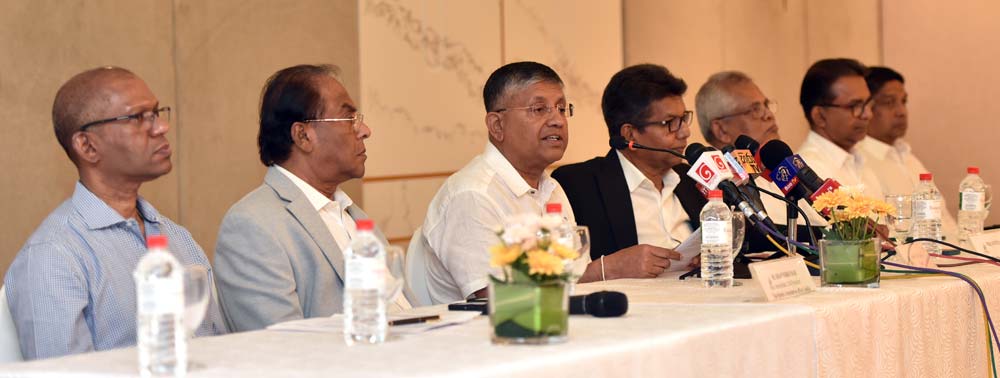
Speaking at a media briefing, officials from The Hotels Association of Sri Lanka (THASL) claimed that nearly 60 percent of tourism establishments currently operate outside the formal regulatory framework of the Sri Lanka Tourism Development Authority (SLTDA), creating significant foreign exchange leakages and undermining legitimate operators.
THASL President Asoka Hettigoda said unregistered accommodation providers, offshore online travel agency payments, foreign point-of-sale machines and unregulated tourism ventures run by foreign nationals are draining valuable revenue from the local economy.
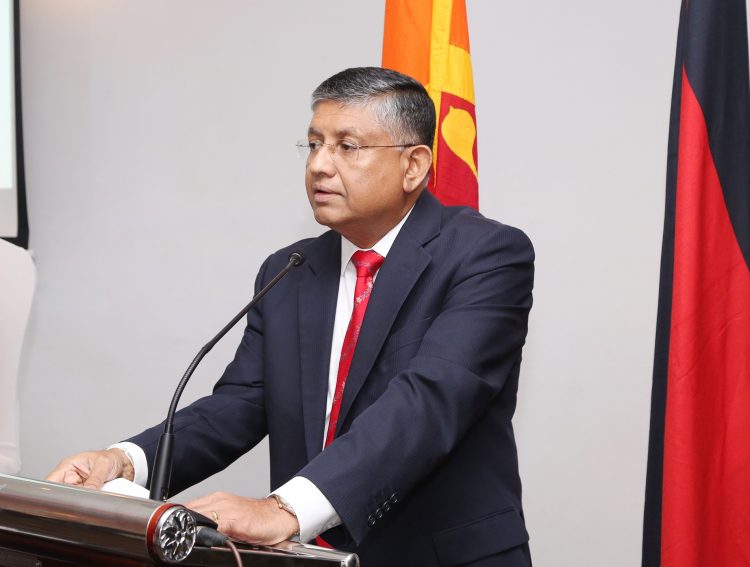
“These practices are creating an uneven business environment for local investors while discouraging reputable international operators from entering the Sri Lankan market,” he said.
The industry also criticised the Government for failing to effectively implement existing tourism laws despite repeatedly identifying tourism as a national economic priority.
THASL Chief Executive Officer Priantha Fernando argued that introducing new legislation or establishing additional oversight bodies would not solve the sector’s problems. Instead, he said authorities should focus on enforcing the powers already available under the current Tourism Act.
“The issue is not the absence of laws. The issue is that the existing legal framework has not been properly implemented for more than 15 years,” Fernando stated.
He also raised concerns over continued political appointments to senior positions within tourism institutions, arguing that professional leadership and greater private sector involvement are essential if the industry is to compete internationally.
At the same time, hotel operators say escalating taxes and utility costs are placing severe pressure on businesses already struggling to remain profitable.
Recent electricity tariff increases, coupled with rising fuel and gas prices, have pushed many small and medium-sized hotels dangerously close to breakeven levels. The industry is now calling for tax concessions on battery energy storage systems and stronger incentives for renewable energy investments.
THASL member Sanjeewa Anthony highlighted another growing burden sharp increases in liquor licence fees introduced through a February 2026 Gazette notification.
According to Anthony, licence categories known as FL7, FL8 and FL11 have experienced increases ranging from 80 percent to 100 percent, with some larger hotels now paying up to Rs. 1 million annually.
He argued that hotels serving international tourists should not be regulated under the same framework as taverns, particularly given the sector’s existing tax obligations, including VAT, social security contribution levies, tourism development levies and mandatory employee service charges.
“These rising costs are inevitably forcing hotels to increase prices, which directly affects Sri Lanka’s competitiveness as a destination,” Anthony warned.
Hotel operators also criticised outdated administrative systems, saying businesses still face lengthy paperwork and multiple approvals when renewing licences. THASL has urged authorities to urgently digitalise regulatory processes to improve efficiency and reduce unnecessary delays.
Despite mounting challenges, the association announced plans to launch its first tourism and hospitality awards ceremony later this year, aimed at recognising resilience and excellence across Sri Lanka’s tourism industry.
By a Special Correspondent