




The Central Bank of Sri Lanka’s latest supervisory disclosures have revealed growing regulatory anxiety over operational and financial vulnerabilities inside the country’s banking sector, after six licensed banks were subjected to targeted spot examinations during 2025 over a range of serious concerns including core banking system breakdowns, data security breaches, credit governance failures, market risk exposure, and offshore lending operations.
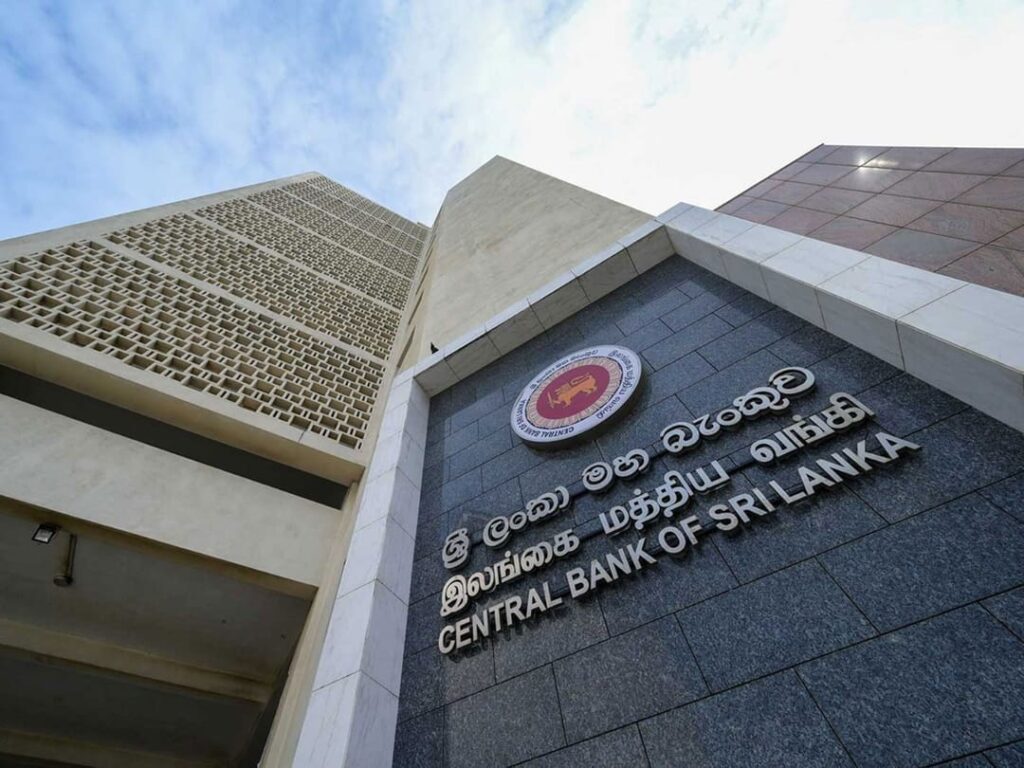
According to the Central Bank’s Financial Statements and Operations Report 2025, the inspections were carried out outside the framework of routine regulatory supervision, indicating that authorities acted on specific incidents, complaints, or warning signals detected within the institutions concerned. While the report does not identify the banks involved, the nature of the issues examined points to increasing stress within segments of Sri Lanka’s financial system as banks continue to recover from the aftermath of the economic crisis.
The inclusion of core banking system failures among the examined issues is particularly significant. Core banking platforms are the backbone of modern banking operations, enabling real-time transaction processing, customer account management, and digital financial services. Any disruption can trigger payment delays, customer panic, operational paralysis, and reputational damage. Analysts note that repeated technological failures could undermine public confidence at a time when banks are aggressively promoting digital banking services to reduce operational costs and improve financial inclusion.
Equally alarming are references to data breaches, which have become a rising concern globally as financial institutions face increasingly sophisticated cyber threats. Banking sector experts warn that breaches involving customer information or transactional systems can expose institutions to legal liabilities, regulatory sanctions, and significant financial losses. In Sri Lanka, where digital banking adoption accelerated rapidly after the pandemic and economic downturn, cybersecurity resilience has become a crucial pillar of financial stability.
The examinations also focused on credit governance and market risk management, two areas that remain under pressure due to the lingering effects of Sri Lanka’s sovereign debt crisis and economic contraction. Weak credit oversight can lead to rising non-performing loans, politically influenced lending, and excessive exposure to distressed sectors. Offshore lending operations reviewed by the regulator may also indicate concerns over foreign currency exposures and cross-border risk management practices amid continuing volatility in external markets.
Separately, the Central Bank intensified anti-money laundering supervision through joint inspections with the Financial Intelligence Unit. Ten joint examinations and five independent reviews were conducted in 2025 to assess banks’ exposure to money laundering, terrorist financing, and proliferation financing risks. Authorities stated that concerns identified during examinations were communicated to the FIU for possible enforcement action under the Financial Transactions Reporting Act.
The intensified regulatory activity reflects broader efforts by Sri Lankan authorities to restore international confidence in the financial system following years of economic instability, debt restructuring, and governance concerns. Financial analysts say stronger supervision is critical not only for depositor protection but also for safeguarding foreign investor confidence, correspondent banking relationships, and the long-term credibility of Sri Lanka’s banking sector.
By a Special Correspondent