




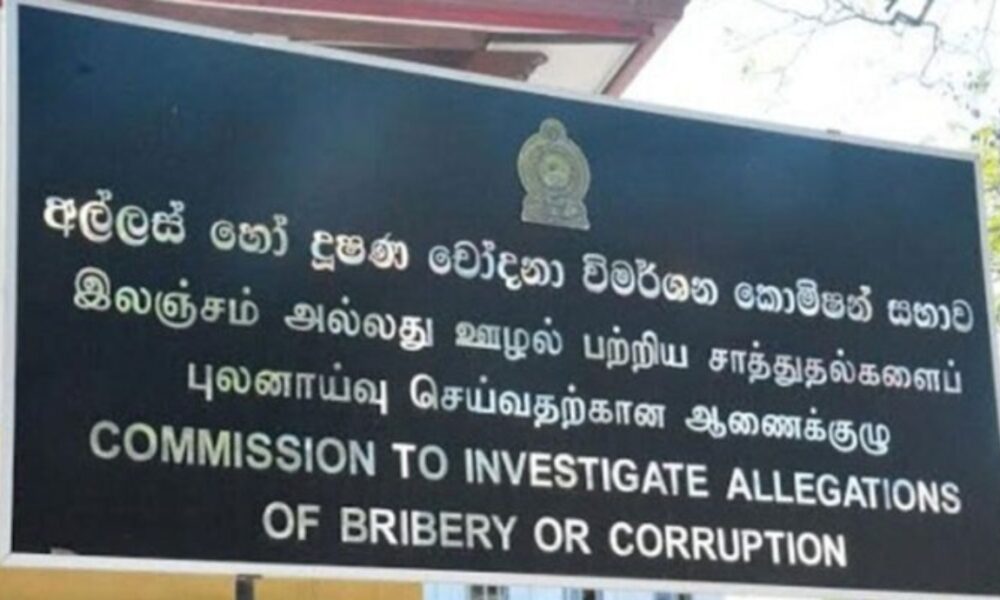
Sri Lanka’s explosive Airbus bribery investigation is heading toward its most decisive and politically charged moment today May 12 2026, when former President Mahinda Rajapaksa is scheduled to appear before the Commission to Investigate Allegations of Bribery or Corruption (CIABOC) amid growing turmoil following the sudden death of former SriLankan Airlines CEO Kapila Chandrasena.
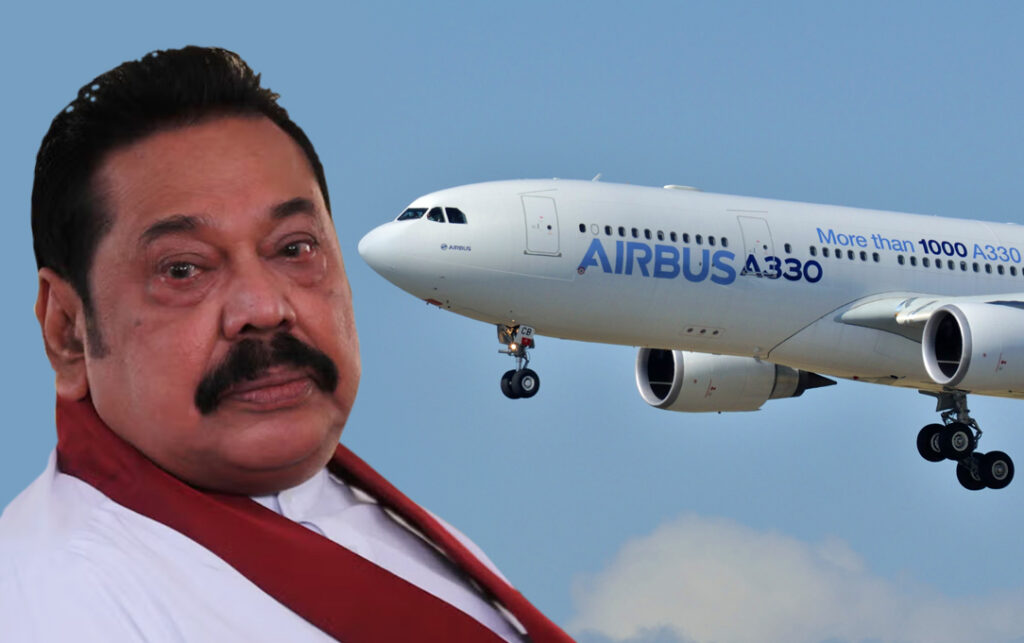
The summons has transformed from a routine investigative procedure into a national political drama after Chandrasena the key suspect and principal witness in the $2.3 billion Airbus procurement scandal was found dead only days before Rajapaksa’s scheduled appearance.
Police suspect suicide by hanging, but the timing of the death, coupled with allegations of coercion and psychological pressure, has intensified public scrutiny over the entire corruption probe.
Today’s questioning is expected to focus on allegations that Rajapaksa received Rs. 60 million linked to the controversial 2013 Airbus aircraft deal. Investigators claim
Chandrasena had previously identified the former president as a beneficiary of illegal payments allegedly routed through intermediaries during negotiations for ten Airbus aircraft purchased for SriLankan Airlines.
But the death of Chandrasena has dramatically altered the legal and political landscape surrounding the case.
Instead of appearing before investigators as part of a steadily advancing corruption inquiry, Rajapaksa now arrives at a moment when the credibility of the prosecution itself is under attack.
Chandrasena’s final affidavit, released after his death, alleged that CIABOC officials pressured him to implicate Mahinda Rajapaksa and his son, parliamentarian Namal Rajapaksa, through intimidation and threats. The affidavit claimed the pressure became so severe that it led him to suicidal thoughts.
Those allegations have now become a central political weapon for the opposition Sri Lanka Podujana Peramuna (SLPP), whose leaders argue the investigation may have crossed legal and ethical boundaries.
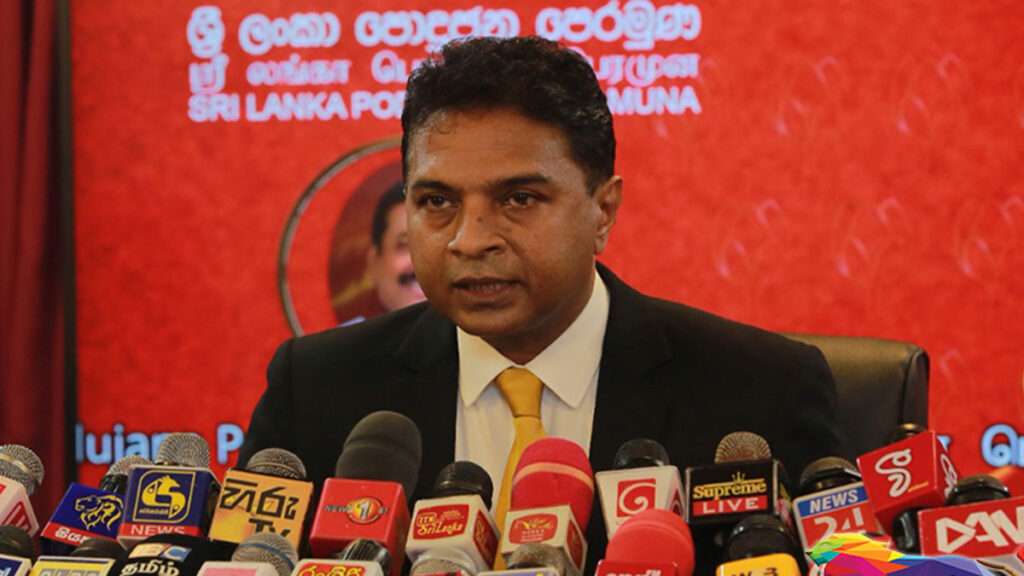
SLPP General Secretary Sagara Kariyawasam has publicly questioned whether state investigators contributed to Chandrasena’s mental collapse, while Namal Rajapaksa has accused authorities of conducting a politically motivated campaign.
The stakes for tomorrow’s proceedings are enormous.
For CIABOC, Rajapaksa’s appearance represents an opportunity to prove that the investigation remains credible despite the loss of its star witness.
Investigators are expected to rely on financial records, earlier statements, and international evidence gathered through global anti-corruption probes linked to Airbus.
However, legal experts warn that without Chandrasena available for cross-examination, prosecutors may face significant challenges establishing direct criminal liability against senior political figures.
For Rajapaksa, tomorrow presents both legal danger and political opportunity. A strong denial backed by claims of coercion against investigators could help his allies portray the inquiry as compromised.
However any inconsistencies or damaging disclosures during questioning could deepen the crisis surrounding one of Sri Lanka’s most influential political families.
Compounding the drama, the final post-mortem report on Chandrasena’s death is also expected to be submitted to court tomorrow.
The simultaneous release of forensic findings and Rajapaksa’s testimony could determine whether the Airbus bribery case survives or collapses under the weight of controversy, suspicion, and the sudden silence of its most important witness.
By a Special Correspondent