




Colombo Dockyard PLC (CDPLC), one of Sri Lanka’s most strategically significant maritime assets, has come under majority control of India’s Mazagon Dock Shipbuilders Limited (MDL), a state-owned defence enterprise operating under India’s Ministry of Defence. The March 2026 transaction saw MDL acquire a 51% controlling stake for approximately $52.96 million, marking a decisive shift in ownership of a key South Asian shipbuilding and repair hub.
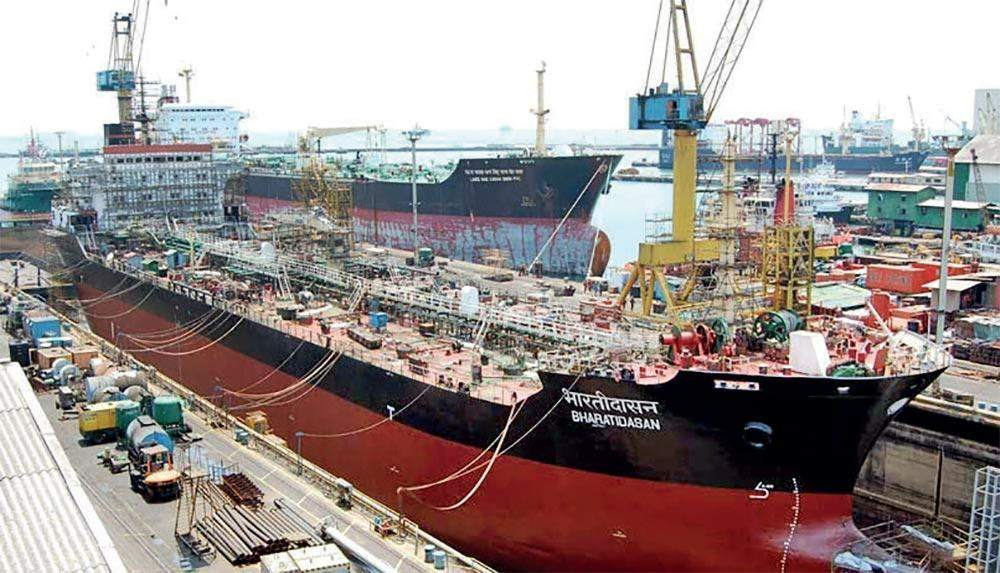
MDL, a “Navratna”-status public sector undertaking under India’s Department of Defence Production, is known for its high-level autonomy and critical role in Indian naval construction. With this acquisition, Colombo Dockyard has effectively transitioned from Japanese stewardship to Indian defence-linked management, raising immediate geopolitical and economic implications across the Indian Ocean region.
The takeover follows the collapse of long-standing Japanese control under Onomichi Dockyard Co. Ltd., which had been the principal shareholder since 1993. The Japanese firm exited after severe financial distress crippled CDPLC’s operations. In 2023, the dockyard reported a record loss of around $38.3 million, largely attributed to high-cost contracts signed prior to the COVID-19 pandemic. By 2024, mounting debt and the absence of financial rescue from either Japanese or Sri Lankan authorities pushed the company toward near-default, forcing divestment.
The leadership structure has already been reshaped under MDL control. On April 7, 2026, MDL Chairman and Managing Director Capt. (Retd.) Jagmohan was appointed Non-Executive Chairman of Colombo Dockyard, signalling direct strategic alignment between the Indian defence ecosystem and Sri Lanka’s premier ship repair facility.
Analysts interpret the acquisition as part of India’s broader effort to counterbalance China’s entrenched maritime influence in Sri Lanka, particularly at Hambantota Port and the Chinese-operated Colombo Port City developments. The dockyard’s proximity to the Colombo International Container Terminal, partially operated by Chinese-linked interests, further intensifies its strategic sensitivity.
Security observers argue that India is now pursuing a model of “sovereign capitalism,” where state-backed investment serves both commercial and geopolitical objectives. By embedding itself in Sri Lanka’s maritime infrastructure, India is seen as transitioning from a traditional security provider to a long-term economic stakeholder in the region.
However, the deal has triggered domestic unease within Sri Lanka. Critics warn that placing a key naval-industrial facility under foreign state-owned control could erode sovereignty over critical infrastructure. The country’s ongoing economic fragility adds another layer of concern, as policymakers attempt to balance urgent financial stabilization with growing external dependencies.
Sri Lanka now faces a delicate diplomatic balancing act between India and China, with Colombo Dockyard emerging as a focal point in the intensifying rivalry for influence across the Indian Ocean.