




By a special correspondent
The evolving geopolitical landscape of 2026 has placed Sri Lanka’s Hambantota International Port (HIP) in an unexpectedly advantageous position. As tensions stemming from the US-Israel war with Iran disrupt established maritime routes, global shipping networks are undergoing a structural shift one that HIP is actively capitalising on through aggressive expansion and operational agility.
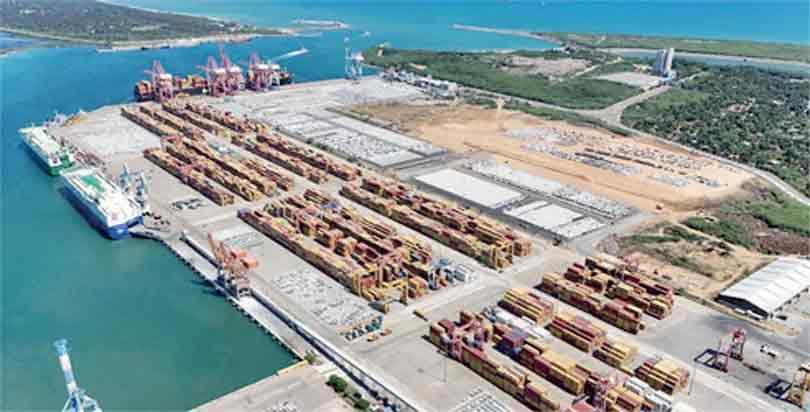
HIP’s recent infrastructure upgrades highlight its readiness to meet rising demand. The port has expanded its container yard capacity by 30 percent, allowing it to accommodate a growing influx of rerouted cargo. Simultaneously, the doubling of its Roll-On/Roll-Off (RoRo) yard capacity reflects a targeted response to increased vehicle transshipment volumes, a sector that has seen remarkable growth due to supply chain adjustments.
From a financial perspective, HIP’s performance in 2026 signals a notable upward trajectory. Analysts estimate that the port’s total revenue could surpass $150 million this year, supported by increased throughput and diversified services. Container handling has seen a sharp uptick, with quarterly volumes approaching 350,000 TEUs, while projections suggest annual throughput could exceed 1.2 million TEUs if current conditions persist.
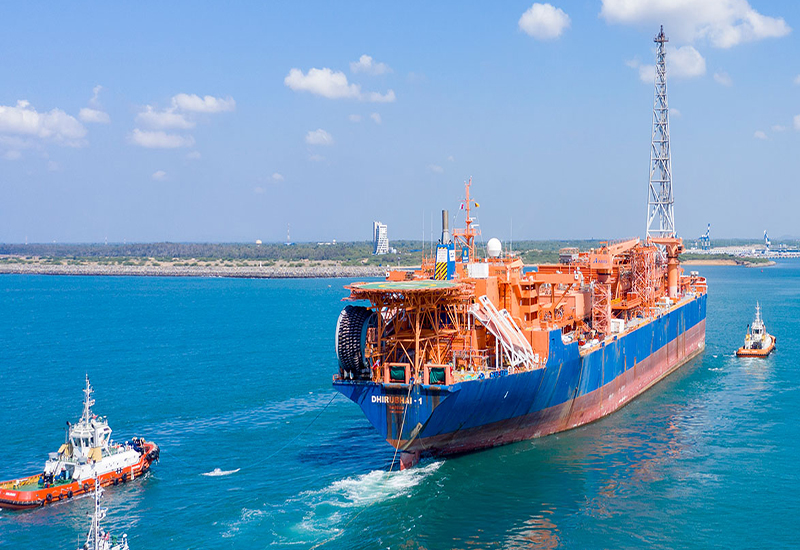
One of HIP’s defining strengths lies in its geographic positioning. Located a mere 10 nautical miles from the world’s busiest East-West shipping corridor, the port offers an efficient alternative for vessels seeking to avoid conflict-affected zones. This logistical advantage reduces deviation costs and transit delays, making HIP an attractive option for global shipping lines navigating uncertainty.
Despite these gains, the port faces critical adaptation challenges. Increased yard utilization currently at its highest level in history raises concerns about congestion and turnaround times. To mitigate these risks, HIP must accelerate investments in smart port technologies, including real-time tracking systems and automated cargo handling.
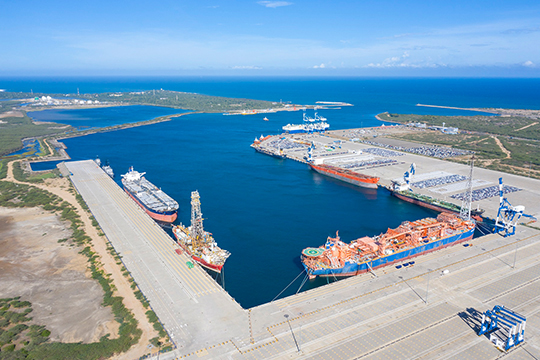
Furthermore, the port must align its long-term strategy with evolving global trade patterns. The shift toward regional supply chains and diversified shipping routes requires HIP to enhance its value proposition beyond transshipment. Developing integrated logistics services, expanding free trade zone activities, and improving multimodal transport links will be essential steps forward.
The Gulf conflict has undeniably acted as a catalyst for Hambantota’s growth. Yet, sustaining this momentum will depend on the port’s ability to adapt swiftly and strategically. With the right investments and policy support, HIP has the potential to emerge not just as a contingency hub, but as a permanent fixture in global maritime trade.