




Sri Lanka’s tea smallholder sector, the backbone of the country’s globally renowned Ceylon Tea industry, is set to undergo a significant digital transformation with the launch of new “Regenerative Agriculture Digital Resource Centres” aimed at modernising cultivation practices, strengthening climate resilience, and accelerating the transfer of scientific knowledge directly to farmers.
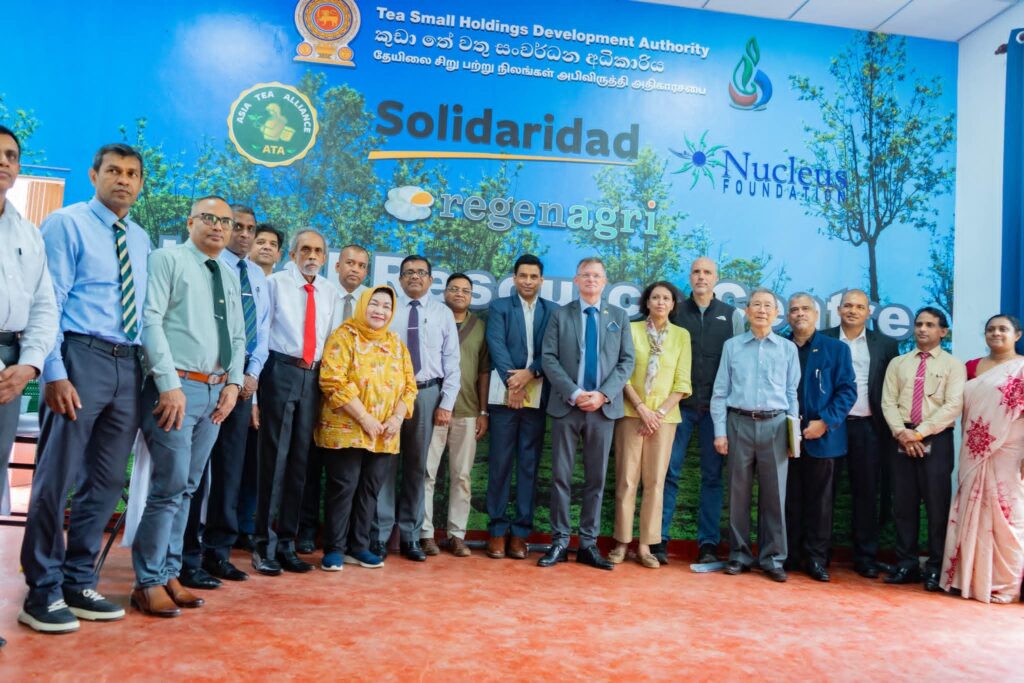
The initiative was officially launched on 20 May at the Tea Smallholdings Development Authority’s Ratnasiri Wickramanayake National Training Centre in conjunction with the 6th Asian Tea Alliance, bringing together Government officials, international development agencies, and tea sector stakeholders committed to revitalising one of Sri Lanka’s most critical export industries.
The digital resource centres, established with financial and technical backing from Solidaridad and the Nucleus Foundation, are located at Hanthana, the authority’s head office, and the Walahanduwa regional office.
Officials say the centres are expected to bridge one of the tea sector’s biggest longstanding gaps the slow dissemination of scientific and technical knowledge to nearly half a million tea smallholders scattered across Sri Lanka’s tea-growing regions.
Tea smallholders currently contribute nearly 70% of Sri Lanka’s total tea production, making them the single largest force sustaining the island’s tea economy. According to International Labour Organization studies, almost 475,000 tea smallholders are directly involved in cultivation, while the broader tea sector supports the livelihoods of nearly 2.4 million Sri Lankans.
Despite their critical contribution, smallholders continue to face mounting challenges including declining productivity, labour shortages, climate-related crop damage, rising fertiliser costs, and fluctuating global tea prices. Industry analysts note that many tea lands are aging, while replanting and soil restoration efforts remain insufficient to maintain long-term productivity.

Sri Lanka’s tea production reached 264.1 million kilograms in 2025, recording only marginal growth amid weather disruptions and fertiliser constraints. Experts attribute much of the stagnation to difficulties faced by smallholders, particularly low-grown tea producers who account for the majority of national output.
Against this backdrop, the new digital resource centres are expected to become critical hubs for regenerative agriculture training, farmer education, and technical support. Authorities say the centres will use digital learning platforms, social media communication, and virtual training tools to rapidly distribute Tea Research Institute recommendations to grassroots farming communities.
The centres will also function as “Training of Trainers” facilities designed to strengthen technical expertise among agricultural extension officers and tea sector field instructors.
Government officials believe digitalisation could significantly reduce the traditional delays associated with print-based information sharing while enabling farmers to provide faster real-time feedback regarding crop conditions, pest outbreaks, fertiliser requirements, and climate-related challenges.
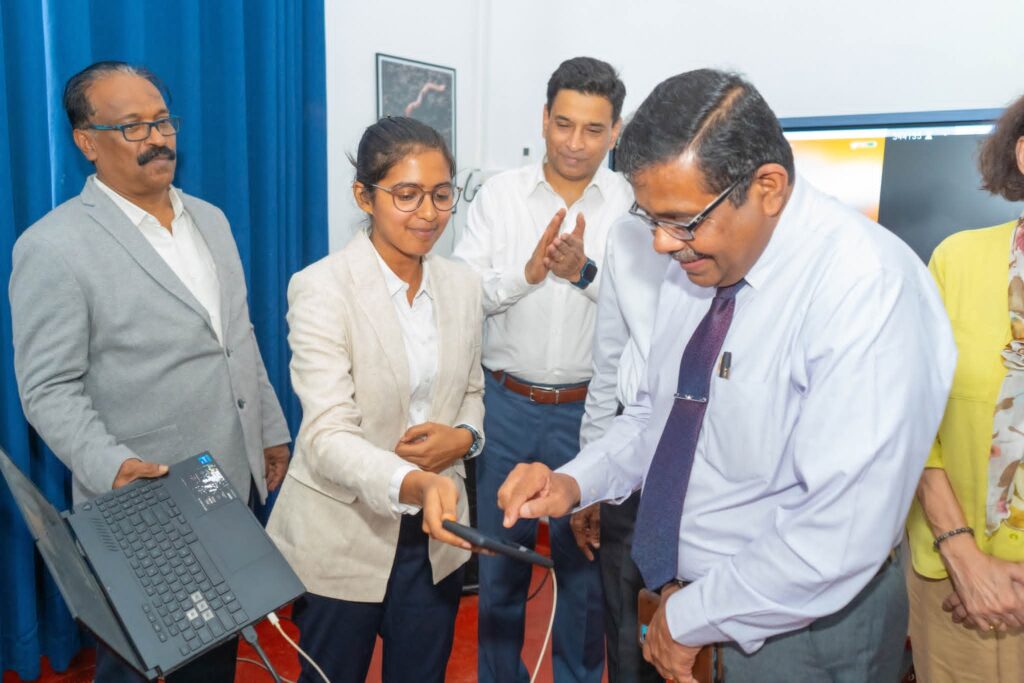
The initiative aligns with increasing global demand for sustainably produced tea, as international buyers and consumers place greater emphasis on traceability, environmental sustainability, and ethical agricultural practices.
Regenerative agriculture which focuses on soil restoration, biodiversity conservation, water management, and reduced chemical dependency is increasingly viewed as essential for safeguarding Sri Lanka’s tea industry against climate change and long-term land degradation.
Development agencies involved in the project argue that empowering smallholders with modern agricultural knowledge is no longer optional but necessary to maintain Sri Lanka’s competitiveness in global tea markets.
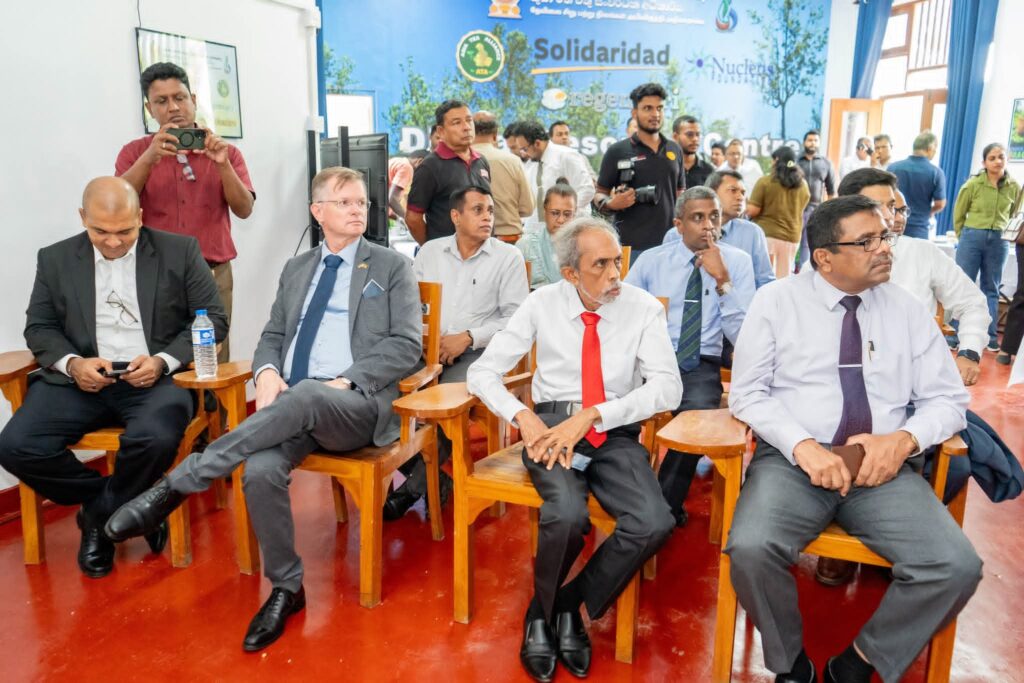
The launch ceremony was attended by senior officials including Acting Ambassador of the Netherlands to Sri Lanka Iwan Rutjens, Plantation and Community Infrastructure Ministry Secretary Gunadasa Samarasinghe, and Tea Smallholding Development Authority Chairman Nimal Udugampala.
Representatives from Solidaridad and the Nucleus Foundation, including Shatadru Chattopadhyay, Malory David, and Dave Morris, also participated in the event.
Industry observers say the success of the initiative could determine how effectively Sri Lanka’s tea smallholder sector adapts to a rapidly changing global agricultural landscape increasingly shaped by sustainability standards, digital transformation, and climate resilience requirements.
By a Special Correspondent