




by a special correspondent
As Sri Lanka pushes forward with modernizing its railway network, the redevelopment of Colombo Fort Railway Station has become a focal point of both optimism and skepticism. While officials frame the project as a necessary upgrade, critics question whether the effort is moving fast and transparently enough.
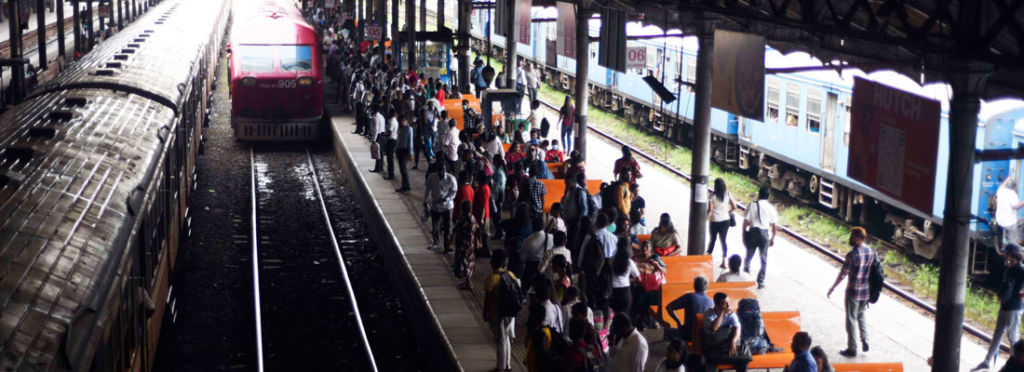
Originally constructed in 1917 during British rule, the station reflects a broader colonial legacy. The British introduced railways to Sri Lanka primarily to serve plantation exports, creating a network that still forms the backbone of national transport today. However, decades of underinvestment have left the system struggling to meet modern demands.
The current project, backed by the Asian Development Bank, is designed to transform the station into a modern transport hub while preserving its historic character. However, this dual objective may be contributing to delays and rising costs.
Valued at over Rs 2.16 billion, the redevelopment includes new passenger bridges, upgraded waiting areas, improved sanitation facilities, and a shift toward digital and multi-channel ticketing systems. Notably, the plan retains traditional features such as wooden booking booths and platform aesthetics—decisions that have sparked debate about whether preservation is limiting progress.
The contract awarded to MAGA Engineering (Pvt) Ltd has also drawn attention. While the company is experienced in railway infrastructure, its recurring role in major projects has led to concerns about procurement competitiveness, even though the bidding process followed international standards.
Adding to the complexity, certain urgent track improvements were reportedly handled internally by railway staff in late 2025. This raises questions about project coordination and whether external contractors are always necessary or if institutional inefficiencies are being overlooked.
Transport Minister Bimal Rathnayake has acknowledged these concerns, pledging accountability for any corruption linked to the project. His remarks signal increased political pressure to ensure transparency, particularly given Sri Lanka’s recent economic challenges.
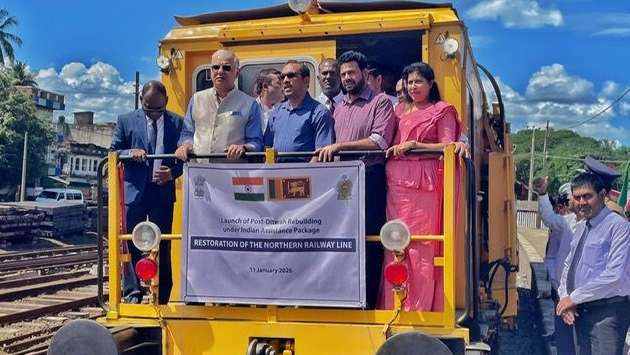
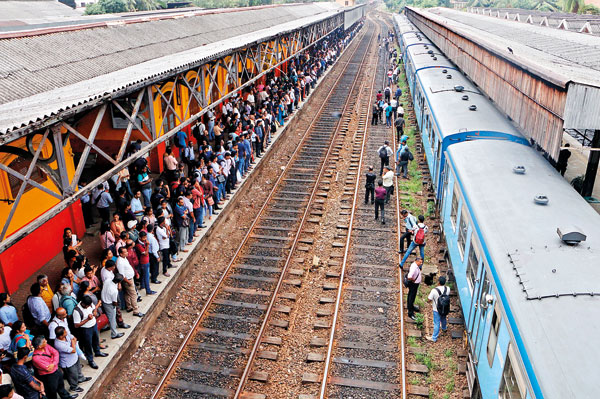
The broader issue, however, extends beyond a single station. Sri Lanka’s railway system, rooted in colonial priorities, requires comprehensive reform to support modern mobility needs. From outdated signaling systems to overcrowded trains, the gaps are evident.
As the Colombo Fort project moves toward its expected 15-month completion timeline, it serves as a test case. Can Sri Lanka deliver efficient, transparent infrastructure upgrades while preserving its historical identity? Or will the weight of its colonial past continue to slow progress?
The answer may shape the future of rail transport across the island.