




Sri Lankan candidates sitting British Council-sponsored examinations are increasingly confronting a troubling question: does the quality of the examination environment match the international standards associated with one of the world’s most recognised education brands?
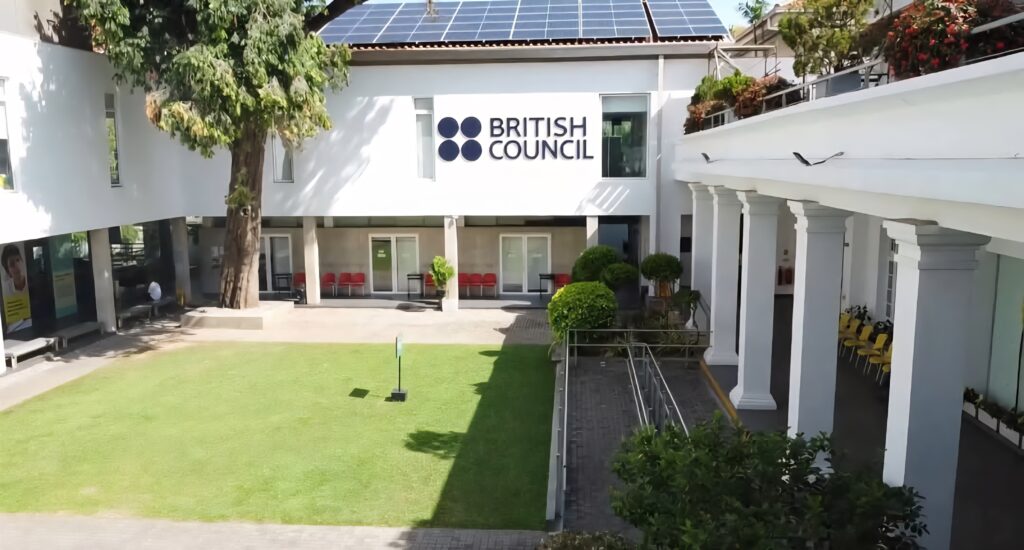
The British Council, a dominant player in Sri Lanka’s international examination market and a Platinum Centre holder in South Asia, operates through an extensive network of more than 250 registration and testing centres. Yet the rapid expansion of this network appears to have created significant variations in infrastructure, administration and candidate support.
At the heart of the problem is the reliance on independent and sub-contracted venues. Candidates have reported malfunctioning audio equipment and headsets during listening examinations, inadequate lighting, poor climate control and insufficient desk spacing. Such shortcomings are not merely matters of comfort. In examinations such as IELTS ,English , London OL and AL Qualifications, where concentration, listening clarity and controlled conditions can directly affect performance, infrastructure failures can potentially influence results.
The accountability structure creates another vulnerability. When equipment or facility problems occur at regional partner centres, responsibility may be deflected between local administrators and the British Council. Candidates and parents can consequently find themselves trapped in an administrative maze, particularly when they seek immediate intervention on examination day.
Reports of rigid or intimidating administrative behaviour raise an even more serious concern. Instead of treating complaints as early-warning signals, local personnel may effectively discourage students from escalating grievances. This creates a potentially dangerous reporting gap: problems that affect numerous candidates can remain invisible if individual students are reluctant to challenge examination-centre authorities.
Technical examinations expose another weakness. Private candidates undertaking computer-based or laboratory-dependent assessments may face severe consequences when computers crash or essential equipment fails. Hitherto frontline customer-service personnel are often perceived as “gatekeepers”, directing candidates towards automated email ticketing systems rather than immediately escalating urgent examination-day failures to senior decision-makers.
The British Council’s strict cancellation, postponement and refund framework adds another layer of pressure. A 90-day complaint window and demands for extensive documentary evidence can become particularly burdensome when candidates face sudden medical, academic or domestic emergencies. A globally standardised policy may therefore produce disproportionately harsh consequences when applied without sufficient consideration of local circumstances.
The British Council does conduct spot checks and has previously removed non-compliant venues, including sites in Bandarawela and Padukka. However, a reactive system leaves much of the burden on candidates to identify, document and report failures.
That raises a fundamental governance question: should students be responsible for policing the examination infrastructure for which they pay?
A stronger system would require unannounced pre-examination audits of all partner centres, rather than relying heavily on complaints after failures occur. Candidates should also be empowered to demand official Test Day Incident Forms whenever an examination is compromised.
Most importantly, serious administrative misconduct should have a clear escalation route beyond local management, including the British Council’s global Speak up Service.
Without such reforms, the greatest risk may not be the failures already reported but those candidates never report.