




Sri Lanka’s anti-corruption struggle is entering a different phase. The challenge is no longer simply identifying officials who accepted bribes or pursuing individuals accused of stealing public money. The deeper task is rebuilding institutions whose procedures, incentives and safeguards have been weakened by decades of political interference and entrenched vested interests.
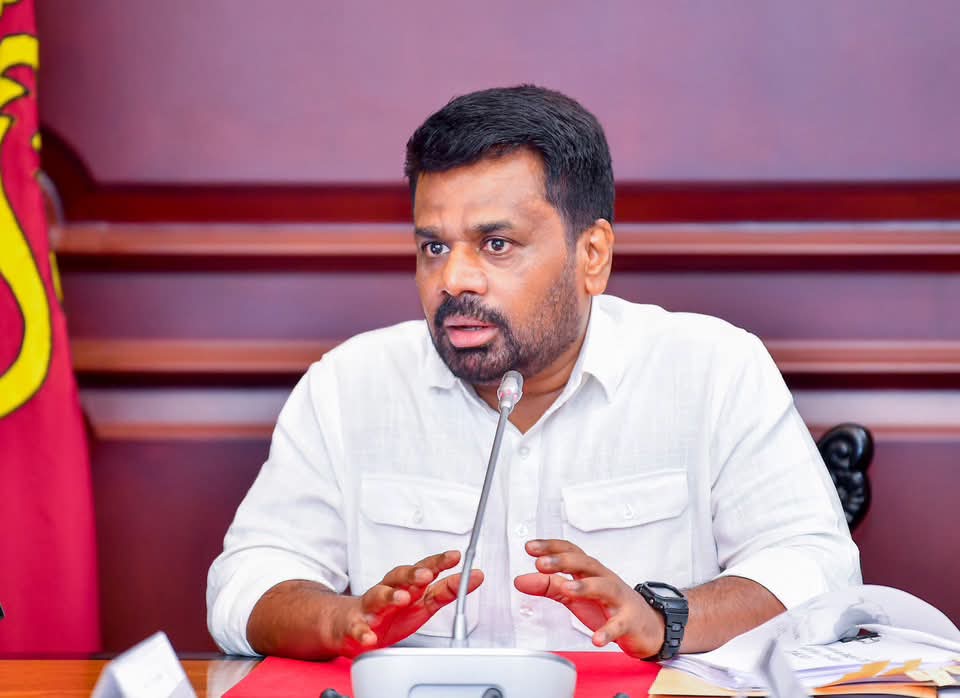
That shift is increasingly visible under President Anura Kumara Dissanayake’s National People’s Power government. Rather than relying exclusively on investigations after wrongdoing occurs, the reform agenda is attempting to change the systems through which corruption can take place. The objective is straightforward but difficult: make government processes harder to manipulate and easier for the public to scrutinize.
The Anti-Corruption Act No. 9 of 2023 provides an expanded legal framework for addressing corruption. Its broader approach includes areas such as conflicts of interest, asset declarations and bribery involving the private sector. The Proceeds of Crime Act No. 5 of 2025 adds another important dimension by strengthening the state’s ability to pursue the financial benefits generated by criminal activity.
Technology is also becoming a weapon against institutional corruption. In agencies such as the National Housing Development Authority, reforms are moving toward direct treasury tracking and digital registry systems. The logic is simple: reducing unnecessary intermediaries can reduce opportunities for manipulation, undocumented transactions and political influence.
The Commission to Investigate Allegations of Bribery or Corruption is similarly introducing digital case-file tracking. This is significant because corruption investigations can be undermined not only by weak laws but also by weak administrative systems. If evidence can be misplaced, altered or delayed, even a strong investigation may fail. Digitization can create an auditable trail and make interference more difficult.
Another reform involves Internal Affairs Units within state institutions, with assistance from organizations including the United Nations Development Programme. These units are intended to function as internal compliance mechanisms, continuously examining workflows and identifying vulnerabilities before they become scandals.
There are signs of cautious progress. According to the figures provided in the source material, Sri Lanka’s Transparency International Corruption Perceptions Index score improved from 32 in 2024 to a projected or reported 35 in 2026, while its ranking moved from 121st to 107th. At the same time, IMF programme reviews and continued funding indicate progress in meeting structural reform commitments.
However better rankings do not mean the problem has disappeared. Institutional corruption is rarely dismantled by passing laws alone. Oversight bodies must have resources and independence. Law enforcement must be capable of pursuing powerful suspects. Public procurement must remain transparent, and citizens and civil society must have meaningful access to information.
Sri Lanka’s anti-corruption test is therefore bigger than the number of arrests made. The decisive question is whether reform can permanently change how power, money and accountability operate inside the state.