




Sri Lanka’s decision to impose tougher controls on medicine prices is being presented as a major victory for patients, but behind the lower price tags lies a difficult question: can local pharmaceutical manufacturers remain financially viable while the Government simultaneously demands cheaper medicines, higher quality and greater domestic production?
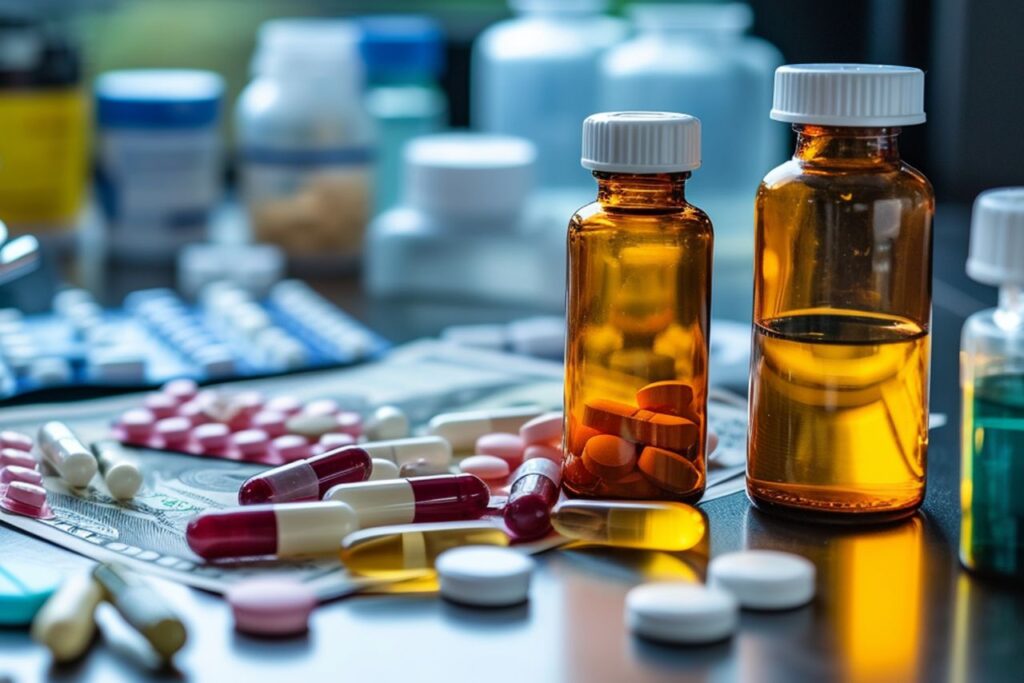
The Government has introduced immediate price reductions covering 350 essential medicines, including treatments for cancer, high blood pressure and stroke. It has also imposed maximum retail price controls on imported medicines.
For patients struggling with medicine costs, the policy could provide welcome relief. But for manufacturers, the consequences are more complicated.
Sri Lanka’s pharmaceutical market is estimated at between US$600 million and US$750 million. Government purchasing accounts for about 40% of the market, while the private sector represents the remaining 60%. Despite substantial investment by local manufacturers, domestic production accounts for only around 15% of total pharmaceutical consumption.
The weakness is particularly striking in the private market. Local manufacturers reportedly hold only about 5% of private-sector market share, leaving foreign pharmaceutical brands overwhelmingly dominant.
The Government now wants to change that balance through its 2026–2030 National Pharmaceutical Policy. The new framework is designed to replace the previous 2005 policy and places greater emphasis on local generic drug production, supply-chain efficiency and compliance with international quality standards.
That creates a difficult three-way equation for domestic manufacturers.
They must produce more medicines locally, meet stricter standards and compete under controlled prices.
Local producers are already facing significant cost pressures. The industry relies heavily on imported active pharmaceutical ingredients, meaning exchange-rate movements and international input costs can directly affect production expenses. Manufacturers also face price ceilings imposed by the National Medicines Regulatory Authority and other costs associated with product development.
However the industry has invested heavily. More than Rs.100 billion has reportedly been invested in local pharmaceutical manufacturing over the past decade, while members of the Sri Lanka Pharmaceutical Manufacturers’ Association are planning a further Rs.15 billion in expansion.
The Government is simultaneously encouraging that expansion by establishing facilities and specialized infrastructure, with an objective of increasing local production to 30% of domestic demand within three years.
The policy therefore represents both an opportunity and a test.
If local manufacturers can increase production while maintaining international quality standards and operating within regulated prices, Sri Lanka could reduce its dependence on imported medicines and strengthen domestic supply security.
But if controlled prices fail to reflect rising production costs, manufacturers could face shrinking margins, delayed investment or pressure to withdraw less profitable products.
The real measure of success will therefore extend beyond the number of medicines whose prices fall.
The Government must ensure that cheaper medicines remain available, manufacturers remain financially sustainable and quality is never compromised.
For Sri Lankan patients, the ultimate question is simple: will lower prices produce lasting affordability or merely cheaper medicines that become harder to obtain?