




Sri Lanka’s push to modernize public transport is gathering momentum, but the rapid expansion of the Lanka Metro Transit (Private) Ltd. (LMT) is also raising questions about public spending, procurement practices and the future of private bus operators.
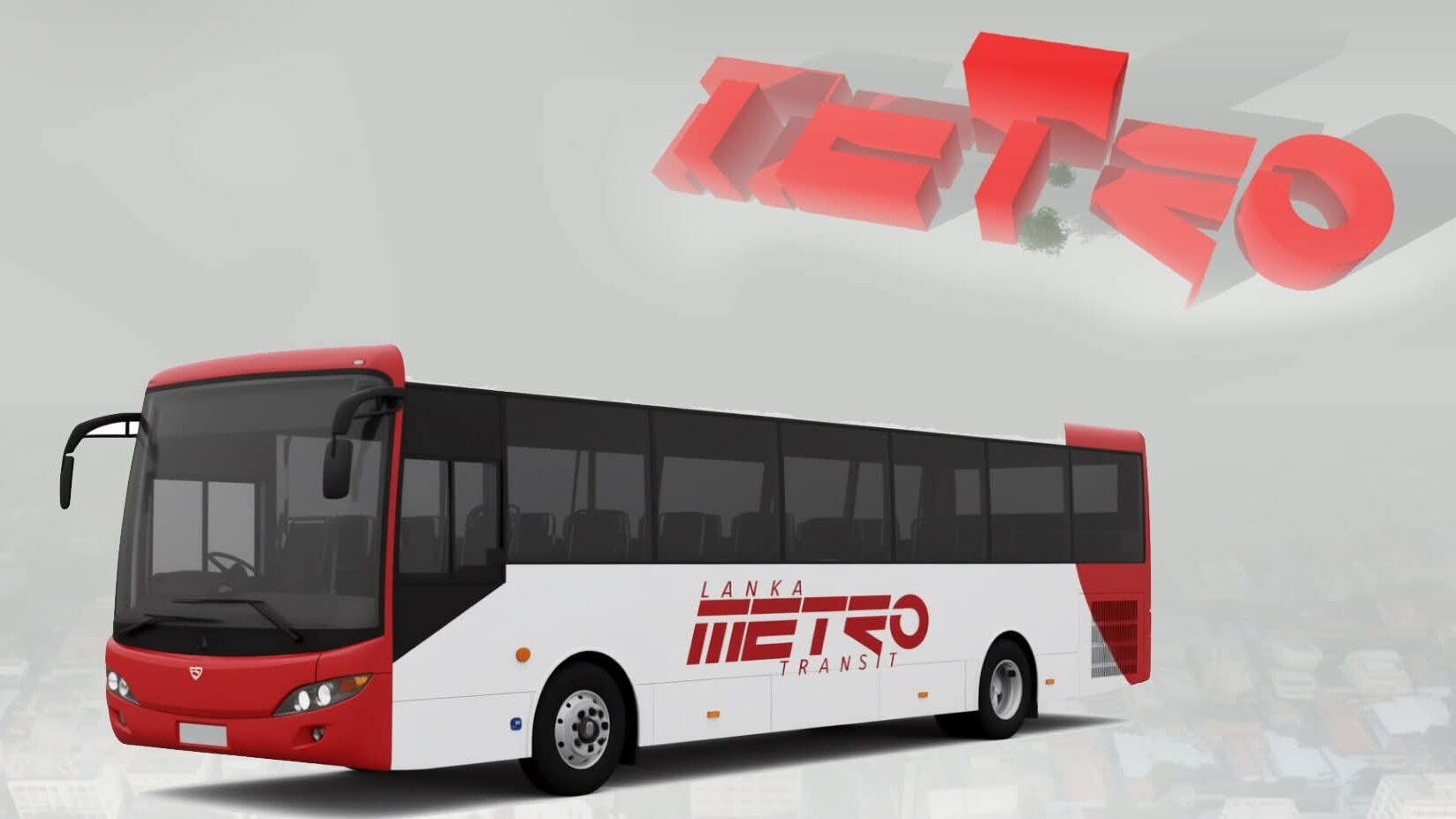
Established on October 3, 2025, under the Companies Act No. 7 of 2007, LMT operates under the jurisdiction of the Sri Lanka Transport Board (SLTB), with 60 percent ownership attributed to the SLTB and 40 percent to the Treasury. The company began its Colombo pilot service with 10 low-floor buses funded through the Clean Sri Lanka programme.
The pilot is now moving rapidly toward full-scale operations. A further 104 Foton C12 low-floor buses have arrived at Colombo Port, while the government plans to introduce a total of 112 additional low-floor buses in September 2026. Commercial services are expected to begin on seven newly designated Colombo urban routes.
The expansion comes with a substantial public investment. Cabinet has approved more than Rs. 1.06 billion in equity and operational funding for LMT. Of this, Rs. 800 million has been allocated for infrastructure development in 2026, including a central workshop or depot at Ekala and facilities in Talangama, Kadawatha, Ratmalana and Homagama. A further Rs. 267.5 million has been approved for operational expenditure in 2027.
The infrastructure requirements are considerable. Authorities have identified the need for modern terminals, improved internal routes and upgraded bus stops to support the new fleet. The initial pilot itself required an infrastructure and logistics investment of approximately Rs. 430.7 million.
But alongside the modernization programme, procurement practices have become a point of contention.
Procurement experts and transport-sector representatives have questioned tender criteria associated with the wider bus procurement programme. Among the disputed requirements were annual company turnover exceeding Rs. 6 billion, liquid working capital above Rs. 3 billion and manufacturers producing at least 750 buses annually.
Critics, including former transport officials, argue that such requirements may have created an unusually narrow qualification framework, potentially disadvantaging local bus importers. These claims remain allegations and require examination of the tender documents and procurement decisions.
Further controversy surrounds a reported 50 percent repeat order for 50 additional low-floor buses under the same contract signed on March 6, 2026. Private operators have questioned whether using a repeat-order provision avoided a fresh competitive bidding process.
The government, however, maintains that LMT is intended to strengthen—not privatize or dismantle the SLTB. Officials also argue that modern, accessible buses are essential for reducing private-vehicle dependence and improving mobility.
The central question now is whether Sri Lanka can deliver modern public transport while ensuring that every rupee spent and every procurement decision withstands public scrutiny.