




For generations, gold jewellery in Sri Lanka has represented more than wealth. It has been a family safety net a financial reserve kept aside for moments of crisis, opportunity, and survival.
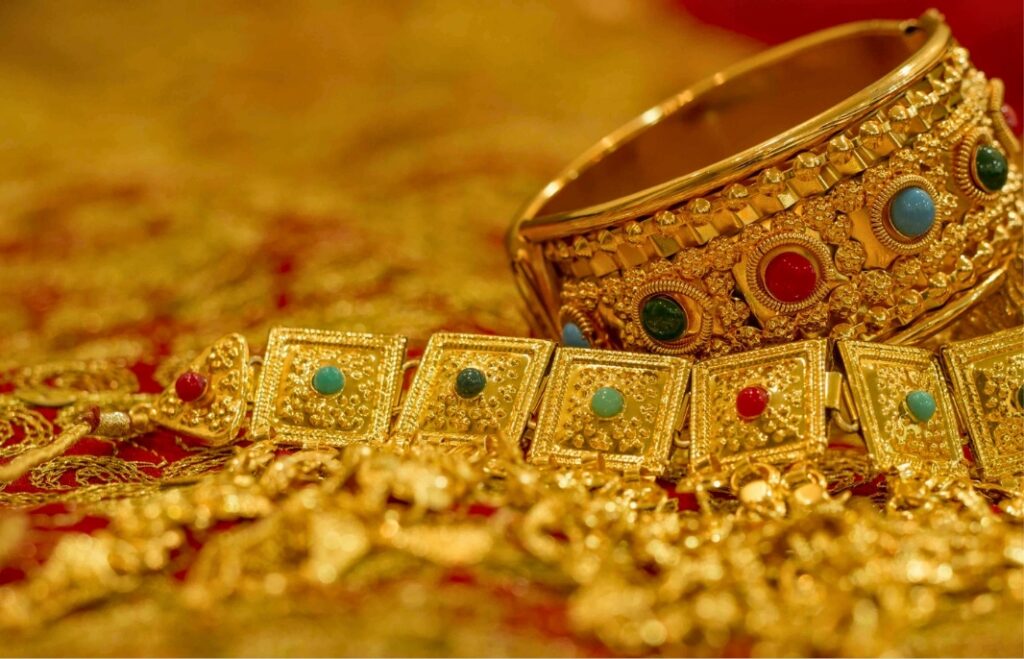
But a new regulatory measure by the Central Bank of Sri Lanka has raised concerns that this traditional lifeline could become increasingly inaccessible to ordinary citizens.
The newly introduced Direction No. 2 of 2026, which limits gold-backed lending by banks and licensed finance companies to a maximum Loan-to-Value (LTV) ratio of 70%, was designed to strengthen financial stability and reduce lending risks.
However, industry stakeholders warn that the policy may create unintended consequences for thousands of households that depend on gold loans for urgent financial needs.
Gold-backed credit has become one of Sri Lanka’s most widely used forms of short-term financing. Unlike traditional loans that require extensive documentation, gold loans provide quick access to cash for medical emergencies, education expenses, household needs, agriculture, tourism ventures, and small business operations.
Industry estimates indicate that more than 60% of household gold jewellery is currently pledged through formal gold loan facilities. Licensed finance companies alone hold gold loan portfolios exceeding Rs. 500 billion, reflecting the importance of this sector within the economy.
However, the new LTV restriction has created immediate challenges for borrowers who obtained loans when gold prices were rising. Many customers who previously borrowed at 80% or even 90% of the gold value are now required to repay significant portions of the principal before renewing their facilities.
For some borrowers, this means finding an additional Rs. 40,000–50,000 per sovereign within a short period a difficult task for families already struggling with rising living costs.
The consequences are becoming visible. Licensed finance companies have reported declining gold loan portfolios, while monthly jewellery auctions have increased sharply, approaching Rs. 3 billion. The danger is that families may lose valuable assets, including wedding jewellery and inherited ornaments carrying deep emotional significance.
The biggest concern, however, is that restricting formal lending could push vulnerable borrowers towards informal moneylenders. These unregulated lenders often charge interest rates far above formal financial institutions, with some demanding rates equivalent to 120% per annum.
Such a shift raises a fundamental question: does a policy designed to protect consumers risk exposing them to greater exploitation?
The challenge before regulators is finding the right balance between controlling financial risks and ensuring access to affordable credit. While responsible lending standards are necessary, critics argue that a blanket LTV restriction may weaken the formal financial system and strengthen the informal lending market.
Gold has supported Sri Lankan families through economic crises, disasters, and periods of uncertainty. As the country continues its recovery journey, policymakers face a difficult choice protect the financial system without taking away one of the most trusted financial tools available to ordinary citizens.