




A government initiative designed to reduce Sri Lanka’s dependence on imported brewing ingredients has instead sparked a national dispute over food security, legal interpretation and the use of taxpayer-funded agricultural subsidies.
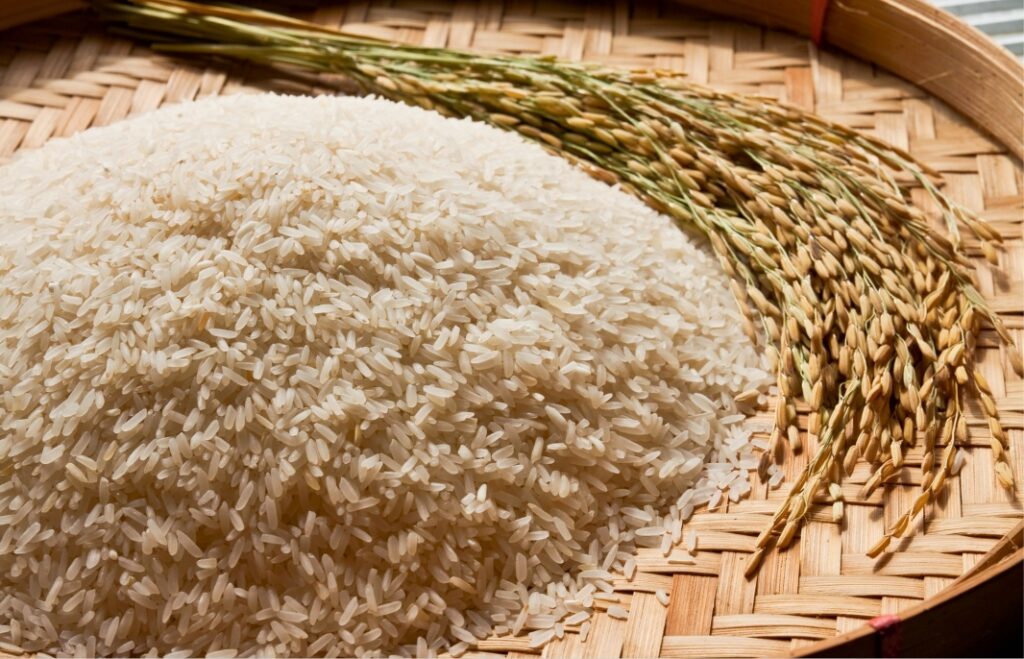
The policy permits breweries to use domestically produced rice in place of part of the imported barley traditionally required for beer production. Officials describe the move as an import-substitution strategy that will save valuable foreign exchange while opening new commercial opportunities for paddy farmers.
Because barley is not commercially cultivated in Sri Lanka, breweries have historically depended on costly imports. Rice, with its high starch content, is already recognised in brewing as an effective carbohydrate adjunct capable of producing light-bodied beers while improving clarity.
For policymakers, the proposal aligns with broader efforts to strengthen local value chains and reduce pressure on the country’s foreign exchange reserves.
Government data indicates breweries would require only between 16,000 and 18,000 metric tonnes of rice annually, representing less than half of one per cent of Sri Lanka’s annual paddy harvest.
However critics argue that national averages conceal significant market distortions.
Rather than purchasing rice evenly across all varieties, breweries are reportedly concentrating on Nadu paddy the country’s most widely consumed staple. Industry representatives warn that institutional bulk buying can rapidly tighten supplies in specific market segments even when overall national production remains abundant.
Rice millers say the result is already visible in retail markets.
Nadu prices continue to hover at the government’s maximum retail price, while Samba regularly exceeds official price ceilings. Retailers complain that maintaining government-controlled prices becomes increasingly difficult when large industrial buyers compete aggressively for available stocks.
The controversy extends beyond economics into questions of public finance.
Sri Lanka allocates approximately Rs.35 billion each year for fertilizer subsidies to support affordable food production. Opponents argue that diverting subsidised harvests into commercial beer manufacturing undermines the original purpose of those public investments.
Supporters counter that farmers, rather than corporations alone, stand to benefit. Additional institutional demand from breweries could weaken the long-standing purchasing power of dominant rice millers, providing growers with more competitive prices and reducing their dependence on a handful of buyers during harvest seasons.
Meanwhile, the issue has entered the courts.
Petitioners before the Court of Appeal argue that Section 2 of the Excise Ordinance legally defines beer as a beverage brewed from malt. They contend that replacing malt with rice and sugar raises questions about whether the finished product complies with existing statutory definitions.
Government officials maintain that concerns over food inflation are overstated. They argue that weak agricultural data collection, inaccurate production forecasting and alleged hoarding by dominant rice millers are far more significant contributors to price volatility than the relatively small quantities earmarked for brewing.
As the legal challenge unfolds, the dispute has become a broader test of how Sri Lanka balances industrial innovation, agricultural policy, fiscal responsibility and the protection of affordable staple foods for millions of consumers.