




Even as the Central Bank of Sri Lanka (CBSL) investigates claims surrounding Kasagala Green Plantation (Private) Limited and repeatedly warns the public against unauthorized plantation investment schemes, the company continues to expand its commercial footprint across the country, raising questions about the effectiveness of regulatory interventions and the resilience of its business model.
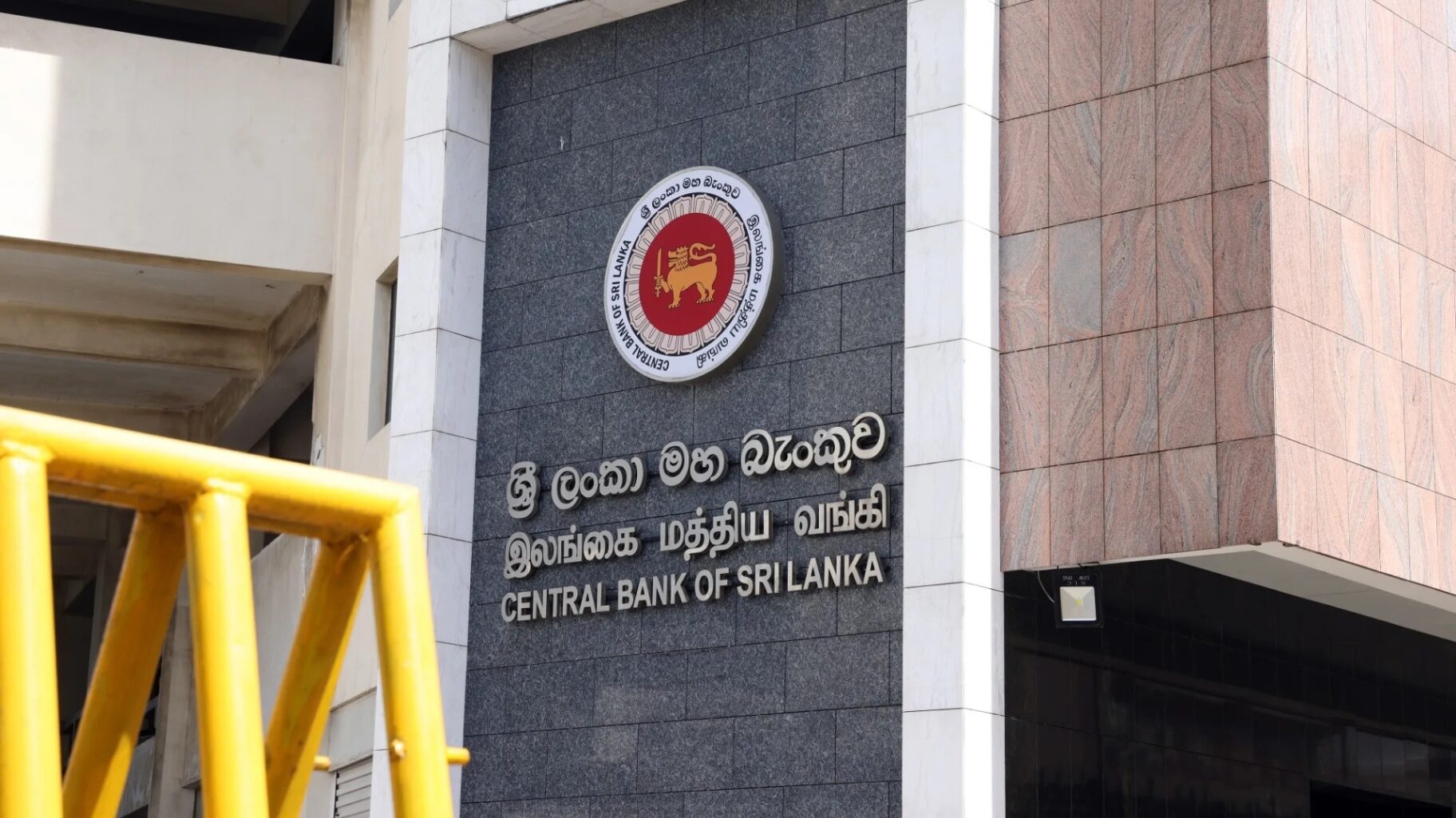
The company’s continued growth comes despite an official CBSL statement issued on June 12, 2026, rejecting claims made by a company director that Kasagala was regulated by the Central Bank. The statement, which described those assertions as “misleading,” confirmed that the Bank exercises no supervisory authority over the company and announced the commencement of an investigation.
The investigation was triggered after Kasagala Director Malwattage Ranjith Nandana Pieris stated during an interview on Independent Television Network (ITN) on June 8 that the company submitted compliance reports to the Central Bank every six months and operated under its regulatory framework.
More than six weeks later, however, Kasagala’s operations show little sign of slowing.
The company has continued opening and promoting supermarkets under its “Kasagala Green Super” brand in locations including Kaduwela, Athurugiriya, Angoda, Ganemulla, Matale, Gampola and Narammala, while maintaining an extensive regional branch network in Avissawella, Welimada, Matara and several other districts.
Although promoted as a fully integrated “farm-to-market” agricultural enterprise, investigations indicate that many of the supermarkets function much like conventional grocery outlets. In addition to produce sourced from company-linked farms, the stores stock a wide range of third-party consumer goods, including dairy products, household essentials, cosmetics and packaged foods.
Analysts say this diversified retail model provides the company with a steady stream of commercial revenue independent of plantation harvest cycles, helping reinforce public confidence while expanding its brand presence across the country.
At the same time, the company continues to market investment opportunities linked to agricultural cultivation. Rather than describing these arrangements as deposits, Kasagala maintains that customers enter into forward crop agreements backed by tangible agricultural assets such as TJC mango plantations, cinnamon, black pepper and bell pepper cultivation.
Company representatives have consistently argued that these agreements represent legitimate agricultural contracts rather than financial investment products or multi-level marketing schemes.
However, the Central Bank has adopted a different position.
Speaking this week, Governor Dr. Nandalal Weerasinghe warned that plantation companies collecting money from the public while promising fixed monthly returns and substantial payments upon project completion could be engaging in unauthorized deposit-taking, an offence under Sri Lankan banking law.
He urged members of the public who have already invested in such schemes to immediately request refunds and to report companies that fail to return funds so investigations and legal action can proceed.
The Bank’s warning reflects growing concern that some businesses are structuring investment offers around cultivation projects while effectively mobilising public deposits without the licences required under the Banking Act.
Despite the ongoing investigation and increasingly direct public warnings from the country’s financial regulator, Kasagala continues to promote its business through an extensive branch network, retail expansion and marketing campaigns centred on strengthening the national economy and uplifting rural farming communities.
Whether those commercial activities remain sustainable as regulatory scrutiny intensifies is likely to become a key test of Sri Lanka’s ability to police increasingly sophisticated investment schemes that blur the line between agriculture and financial services.
By a Special Correspondent