




Hundreds of biometric attendance machines installed across Sri Lanka’s government hospitals are reportedly lying unused, raising difficult questions about public spending, administrative enforcement and the government’s ability to implement workplace reforms within the country’s health sector.
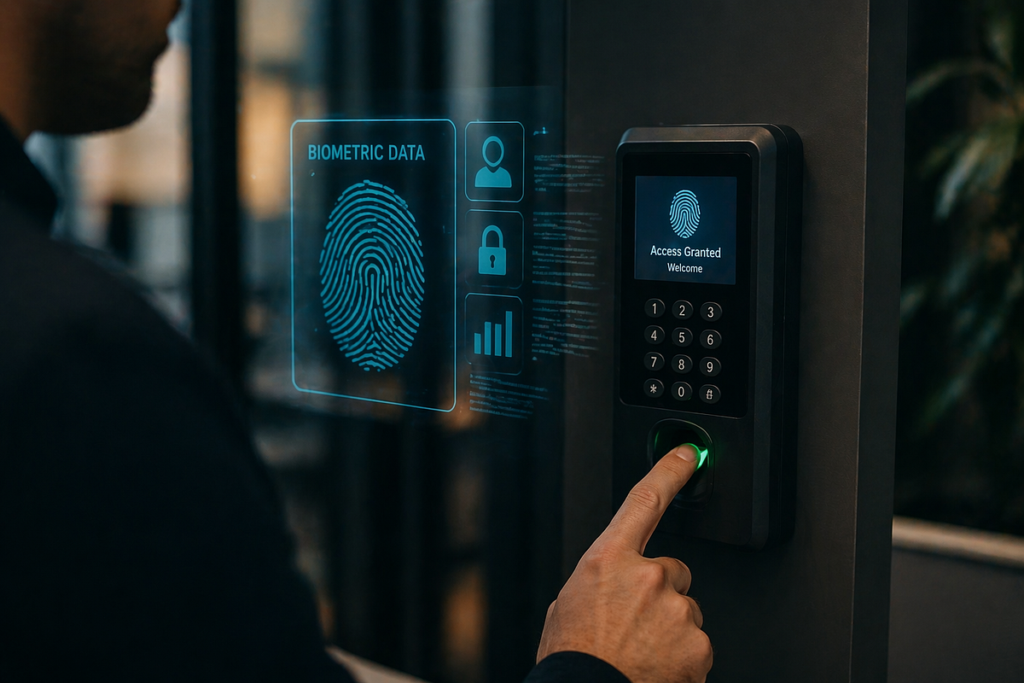
The fingerprint attendance programme was introduced as part of a wider initiative by the Ministry of Public Administration to improve accountability throughout the state service. Officials maintain that electronic attendance records provide an objective method of calculating working hours and overtime payments, replacing manual registers that have long been criticised for inaccuracies and potential abuse.
However the programme’s implementation has become increasingly uneven.
National Audit Office findings indicate that biometric equipment worth hundreds of thousands of rupees remains idle in several state healthcare institutions despite being fully installed. The apparent disconnect between procurement and practical use has fuelled concerns over whether public resources are being effectively utilised.
Healthcare unions attribute the impasse to inconsistent enforcement rather than opposition to technology itself. Representatives of supplementary medical professionals argue that many hospital administrators have introduced fingerprint attendance only for selected employee categories while exempting others.
According to union officials, this unequal application has generated widespread dissatisfaction among nurses, laboratory staff, pharmacists and other healthcare workers.
Administrators, meanwhile, face the difficult task of balancing financial accountability with operational realities. Hospital managements must maintain uninterrupted patient services while attempting to implement policies that have repeatedly triggered industrial disputes.
Previous confrontations illustrate the risks involved. Major hospitals, including Colombo National Hospital and Sri Jayewardenepura General Hospital, have experienced strikes linked to biometric attendance, resulting in postponed surgical procedures and disrupted routine medical services. Those episodes demonstrated how administrative disagreements can quickly evolve into matters affecting patient care.
The numbers underline the significance of the issue. Sri Lanka’s public health service includes roughly 20,000 to 24,000 government doctors together with more than 100,000 nurses, allied health professionals, clerical employees and support staff. A consistent attendance system across such a workforce could significantly influence overtime expenditure and personnel management.
The situation differs sharply in the private healthcare sector. Since private hospitals operate independently of the government’s attendance circular, individual institutions establish their own employment policies. Many already use biometric or facial-recognition systems as standard payroll tools.
Consultant specialists, who generally practise on a sessional or consultation basis, are often excluded from routine attendance recording, while resident medical officers and salaried nursing and administrative staff typically remain subject to internal biometric requirements.
The controversy illustrates that technology alone cannot resolve institutional challenges. While biometric attendance offers the promise of greater transparency and more accurate payroll management, successful implementation ultimately depends on consistent enforcement, stakeholder confidence and equitable treatment of employees.
As government agencies continue expanding biometric systems throughout the public service, the unresolved disputes within Sri Lanka’s hospitals may become an important test of whether administrative reforms can achieve both financial accountability and workplace consensus without compromising healthcare delivery.
By a Special Correspondent