




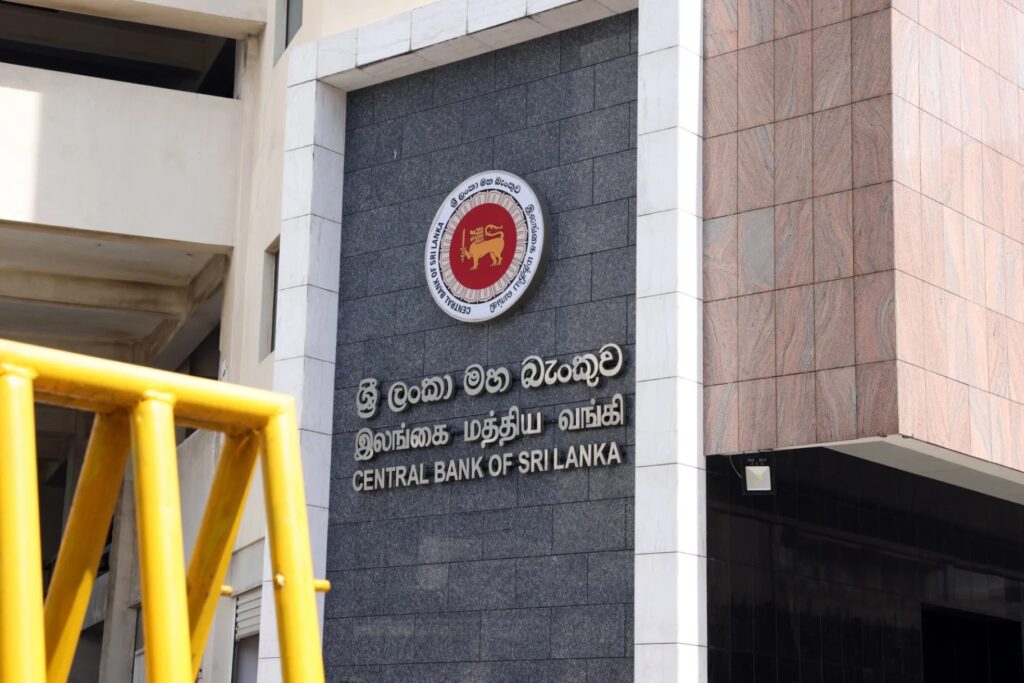
Sri Lankan authorities have uncovered a suspected network that transferred nearly US$1 billion overseas as advance payments through several banks without importing any goods, prompting parallel investigations by the Financial Intelligence Unit (FIU) of the Central Bank of Sri Lanka and the Sri Lanka Customs Department.
The transactions first came under the scrutiny of the FIU because the party responsible for sending the funds was not a registered importer, placing the matter outside the Customs Department’s immediate jurisdiction. However, Customs has now widened its own investigations to determine whether the funds were used to finance undervalued imports made by registered importers through third-party arrangements.
Customs Media Spokesman Chandana Punchihewa said investigators believe that a portion of the money transferred abroad may be connected to imports currently under Customs custody. While authorities have not concluded that all of the funds were used to facilitate the undervaluation of imported goods, several cases are now under investigation where such links are suspected.
As the individual who initiated the overseas transfers is not a registered importer, Customs has not questioned that person directly. Instead, investigators are focusing on instances where payments may have been made on behalf of registered importers, enabling inquiries into those import transactions. A number of investigations have already been launched on that basis.
Authorities are also examining whether some of the overseas payments may have been connected to money laundering or drug trafficking, broadening the scope of the investigations beyond Customs-related offences.
Customs officials say the practice of undervaluing imported goods is most common in products subject to high import duties, including fruits, dairy products and motor vehicles. To curb the practice, Customs has introduced a system of summoning importers and comparing the declared values of their consignments with similar imports that entered the country at higher declared prices.
Where importers acknowledge that goods were undervalued and agree to settle the resulting tax shortfall, Customs allows them to pay the outstanding revenue without imposing penalties.
Investigators have also identified cases involving products with relatively low tax rates, indicating that undervaluation is not limited to heavily taxed imports. Customs recalled an earlier case involving the importation of Malaysian timber, which carried a duty of only 7.5 per cent but was nevertheless declared at artificially low values. According to importers involved in that case, the Malaysian exporter had requested that the shipment be undervalued because part of the payment was required to be transferred to another destination.
The latest investigations have brought renewed attention to the use of overseas advance payments, third-party financial transactions and possible import undervaluation, with authorities seeking to establish whether these practices were used to evade taxes, conceal financial flows or facilitate other criminal activity.
By a Special Correspondent