




Vijay Eswaran, the founder of the globally sanctioned pyramid network ‘QNet’ and an international fugitive wanted in multiple jurisdictions, continues to operate with impunity in Sri Lanka. Despite facing an array of international charges, Eswaran actively maintains a 71.6% majority stake in Asia Capital PLC, a publicly traded company on the Colombo Stock Exchange (CSE).
International Warrants and Banned Operations
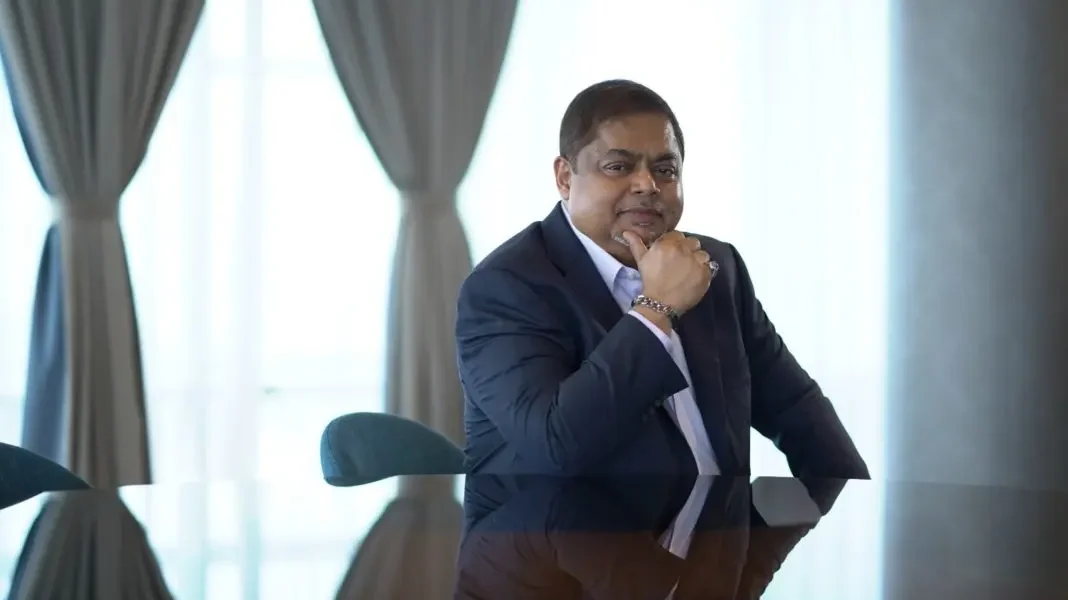
Eswaran is the mastermind behind QNet (formerly QuestNet / GoldQuest), a multi-level marketing scheme officially banned in Sri Lanka by the Central Bank (CBSL) under the Banking Act No. 30 of 1988. Internationally, he is the subject of intense law enforcement scrutiny. The Economic Offences Wing (EOW) of the Mumbai Police has issued lookout notices against him concerning a Rs. 4.25 billion fraud, while authorities in the Philippines, Indonesia, and several African nations have also taken stringent legal action against his operations.
Despite this global dragnet, Eswaran continues to profit through his majority ownership of a legitimate Sri Lankan enterprise.
Offshore Networks and the ‘Corporate Veil’
Financial analysts point out that Eswaran bypasses Sri Lankan law enforcement by utilizing complex offshore financial networks rather than holding direct investments. His capital is channeled into Asia Capital through proxy entities such as ‘Fast Gain International Limited,’ registered in Malaysia and other offshore jurisdictions.
By sheltering behind the “Corporate Veil,” Eswaran exploits glaring weaknesses in Sri Lanka’s Ultimate Beneficial Ownership (UBO) disclosure laws. Because the funds are routed as foreign remittances through official banking channels, and as no Sri Lankan court has convicted him of a predicate offense, local regulators remain legally paralyzed from seizing the assets.
Navigating a $6 Million Corporate Crisis
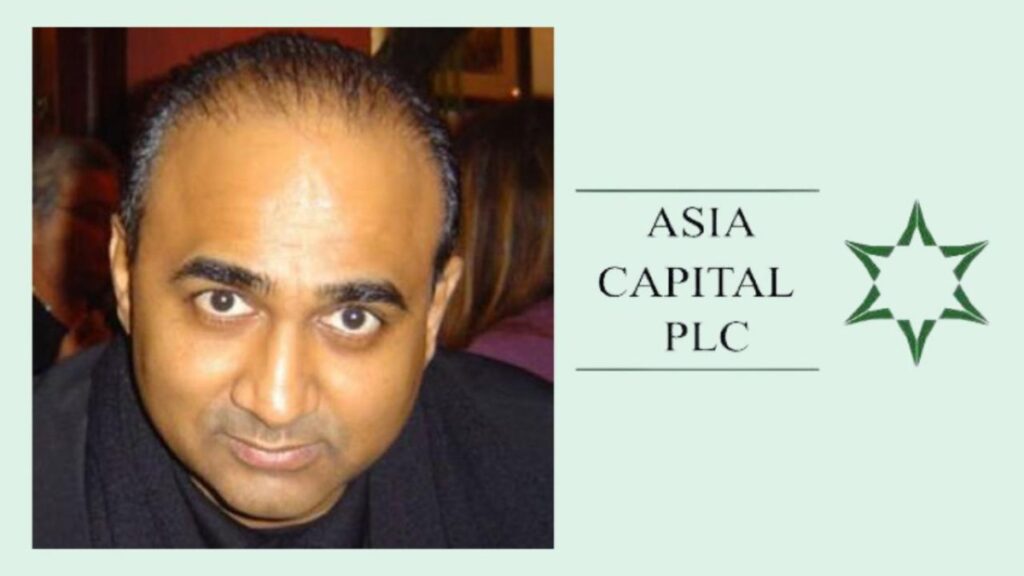
Amidst the controversy surrounding its primary shareholder, Asia Capital recently managed to diffuse a severe internal financial crisis under the direction of its current Managing Director, Raju Radha.
The company was embroiled in a crippling US$ 6 million dispute with CC Trust Pte Ltd, a Singapore-based Japanese investor group. Radha orchestrated an amicable settlement in early 2026, transferring only the shares of ‘The River House’ hotel to the investors, thereby saving the company’s broader hotel chain from being seized. Furthermore, a criminal breach of trust case filed at the Colombo Fort Magistrate’s Court regarding this dispute was dismissed on two separate occasions.
Through aggressive corporate restructuring and the disposal of loss-making assets, the current management has successfully narrowed the company’s net loss margin heading into 2026.
A Warning to Financial Regulators
However, Eswaran’s continued financial presence raises severe questions regarding the integrity of Sri Lanka’s capital markets. Market observers warn that relying merely on technical compliance allows internationally accused businessmen to build financial empires locally.
Without a coordinated, aggressive mechanism between the Securities and Exchange Commission (SEC), the Central Bank’s Financial Intelligence Unit (FIU), and the Criminal Investigation Department (CID), illicit funds generated through global pyramid schemes will continue to be laundered into the local economy.
Experts emphasize that unless mandatory Ultimate Beneficial Ownership (UBO) regulations are strictly enforced for all listed companies, Sri Lanka risks cementing its reputation as a safe haven for international economic criminals.