




By Captain CoCo
Sri Lanka is a nation blessed with natural beauty, strategic advantages, and resilient people. Time and again, the country has demonstrated its ability to overcome challenges and rise above adversity. Yet today, many citizens find themselves asking a difficult question: Why does progress always seem slower than the promises made?

Elections are built on hope. Political leaders travel across the country promising change, accountability, justice, and a better future. Citizens place their trust in these promises because they want to believe that tomorrow will be better than today.
The current government came to power with a strong mandate and a powerful message. It pledged to address corruption, hold wrongdoers accountable, and restore integrity to public administration. For many voters, these promises represented a new beginning.
However, as months pass, public expectations are increasingly being tested. Investigations, arrests, and court appearances often dominate the news. Yet many citizens struggle to understand whether these actions are producing meaningful results or merely creating headlines. Cases appear, public attention grows, and then interest fades as legal processes continue without clear conclusions.
This is not a question of guilt or innocence. That responsibility belongs to the courts. Rather, it is a question of public perception. People want to see justice that is fair, transparent, and consistent. They want accountability that strengthens institutions rather than political narratives.
At the same time, citizens expect the same standards from those currently exercising power. Governments gain public support by promising higher standards, but they retain that support only by demonstrating those standards in practice. Whenever there is a gap between words and actions, public trust begins to erode.
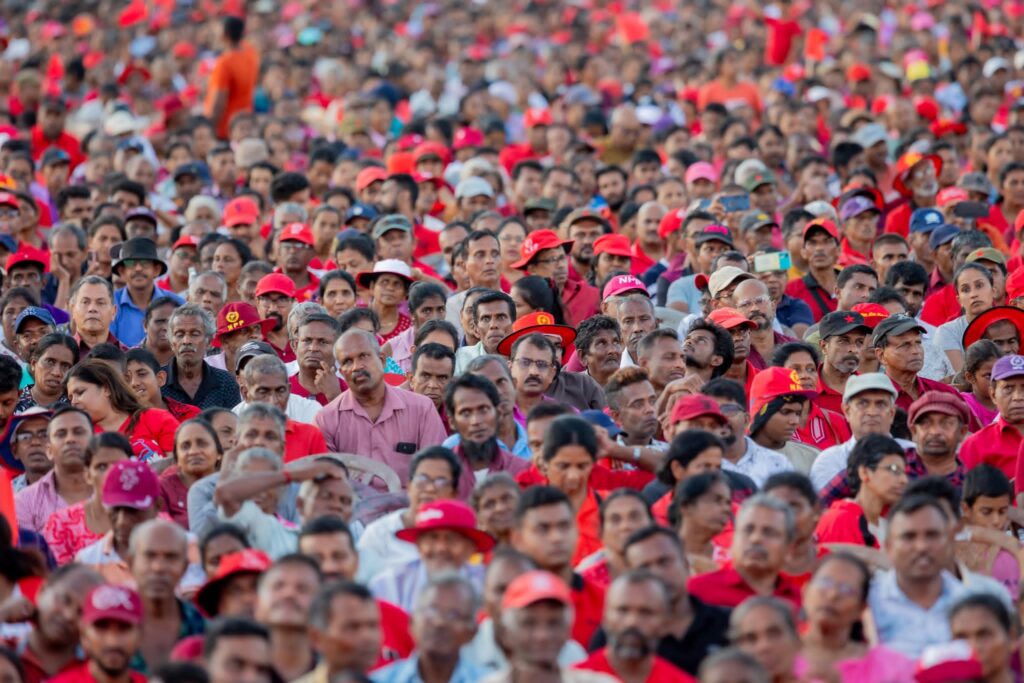
Trust is not a political slogan. It is the foundation of effective governance. A government can introduce reforms, policies, and development programs, but without public confidence, even good initiatives struggle to succeed.
Today, many Sri Lankans are less interested in political rivalries and more concerned about everyday realities. They worry about the cost of living, employment opportunities, public services, education, healthcare, and the future awaiting their children. They want solutions, not excuses. They want results, not endless political debates.
The danger is not merely public criticism. The greater risk is growing public frustration. When frustration increases, confidence declines. When confidence declines, cooperation weakens. Productivity suffers, social tensions rise, and national development slows.
Sri Lanka cannot afford such a path. The country possesses immense potential. Its people are hardworking, creative, and determined. What they need is leadership that inspires confidence, unites the nation, and focuses relentlessly on delivering results.
Political power is temporary. Public trust is lasting. Winning an election may take a few months. Earning and maintaining the confidence of the people requires continuous effort every day.
The people of Sri Lanka do not expect perfection from their leaders. They understand that governing is difficult. But they do expect honesty, accountability, and a genuine commitment to the promises that were made.
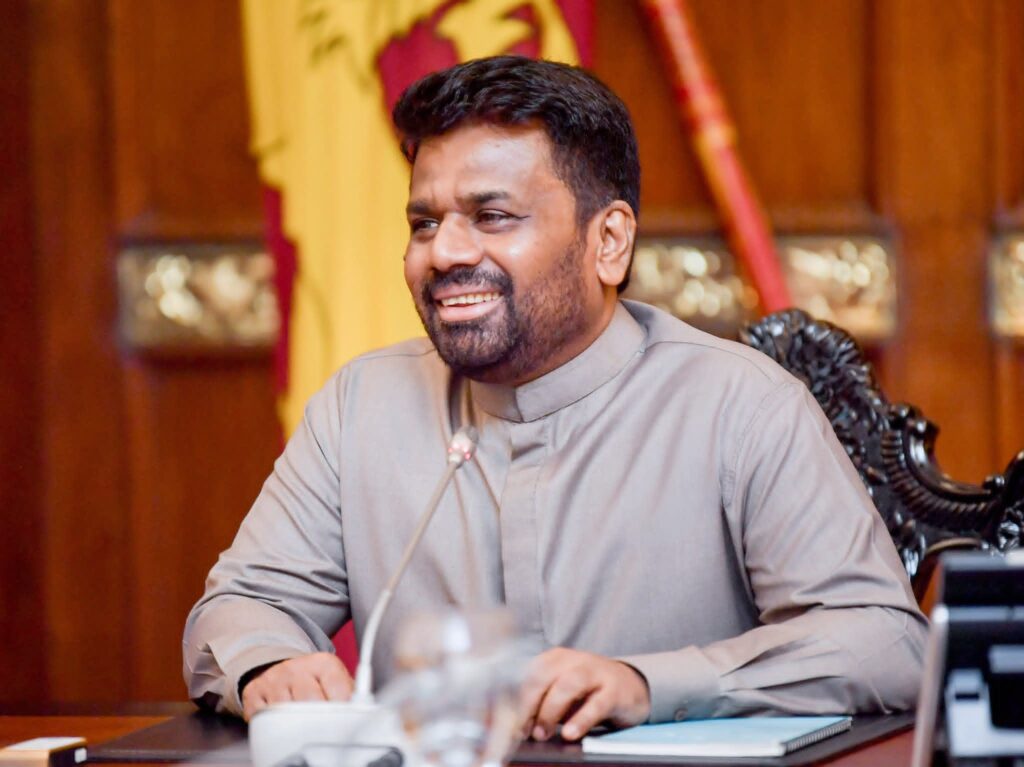
Mr. President, many citizens still remember the hope that carried your government into office. They are watching, waiting, and assessing whether that hope has been justified. As frustration grows and confidence is tested, will you take the bold decisions needed to rebuild trust, reconnect with the people, and deliver the change they were promised before the people’s patience runs out?