




By Captain CoCo
Most people in Sri Lanka do not follow exchange rates. They do not read economic reports or watch financial news. But they do not need to. They feel the change in their daily life at the market, at the pharmacy, at the fuel station, and at the end of the month when the salary is gone but the needs are still there. A weak rupee is not just an economic idea. It becomes a real pressure on everyday survival.
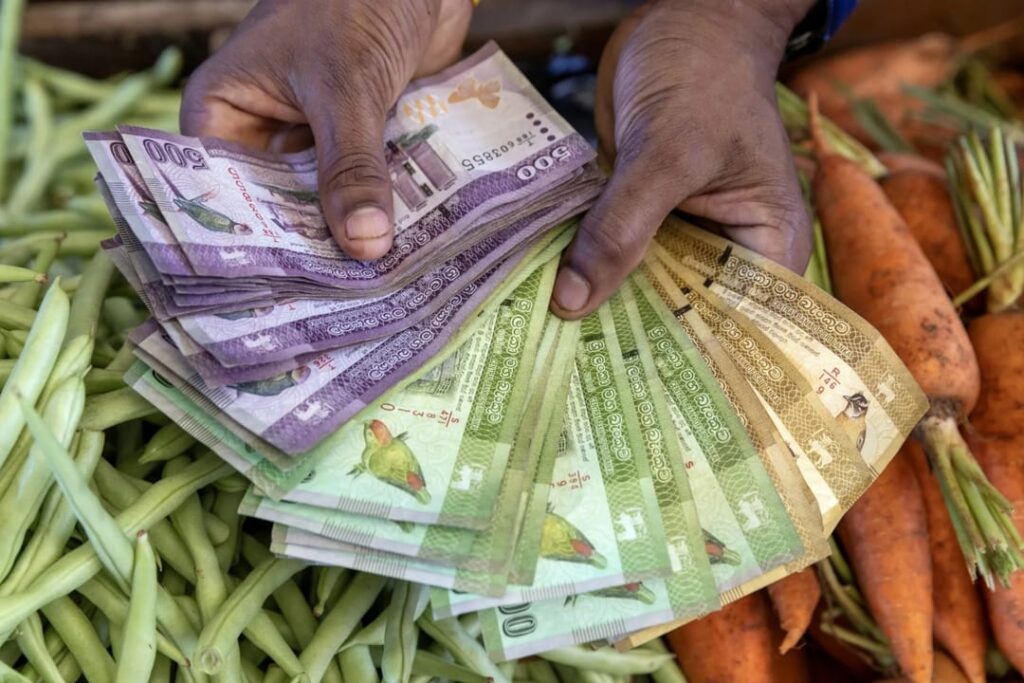
When the rupee falls, imported goods become expensive. Sri Lanka depends heavily on imports for fuel, medicine, food items, and many essential materials. So when the currency weakens, prices rise across almost everything. But incomes do not rise in the same way. Savings also lose value. Families slowly adjust without even noticing at first. They buy less, delay medical visits, reduce small comforts, and stretch every rupee until it breaks. This is how currency weakness quietly enters daily life.
Officials often explain this situation by pointing to global factors. Oil prices rise, world markets shift, and international crises affect supply chains. These reasons are true. Sri Lanka is part of the global economy and cannot escape global shocks. But this is not the full story. The deeper question is why Sri Lanka always reacts so strongly to these shocks, as if there is no strength built inside the system to absorb them.
A currency does not become weak overnight. It becomes weak when an economy is not balanced for a long time. When a country spends more than it earns, imports more than it exports, and depends too much on borrowing instead of building its own earning capacity. These weaknesses do not appear suddenly. They grow slowly through many years of repeated decisions and delayed reforms.
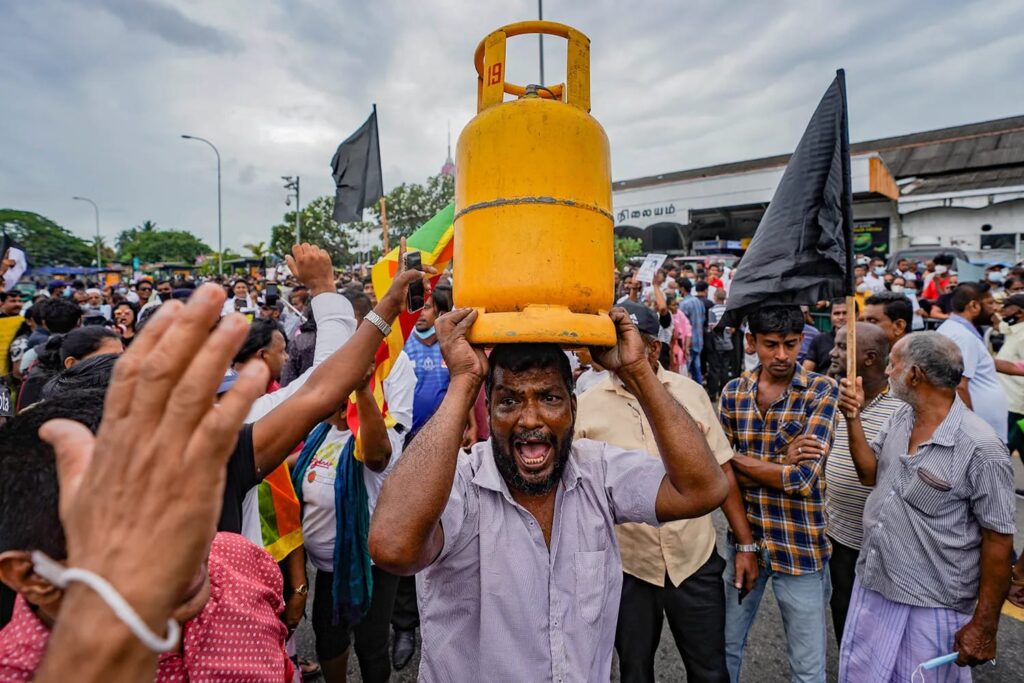
After the 2022 economic crisis, people expected a turning point. There was hope that the system would be corrected, that discipline would improve, and that the same mistakes would not happen again. Some stability did return. The worst of the crisis eased. But for ordinary people, life still feels heavy and uncertain. Prices remain high, incomes remain tight, and the future still feels unclear.
A major problem is the way economic decisions are made. Often, warning signs are ignored for too long. Then, when pressure becomes too high, sudden actions are taken. Interest rates rise quickly, taxes change suddenly, and import restrictions are introduced overnight. These sudden changes create shock in daily life. People and businesses do not get enough time to adjust, and everything becomes unstable.
But beyond timing, there is also a question of fairness. When the rupee becomes weak, the impact is not the same for everyone. Those with foreign income or financial assets can protect themselves better. Some may even gain from the changes. But most ordinary people do not have that protection. Salaried workers, pensioners, and small business owners face the full impact immediately. Their income stays fixed while their expenses keep rising. As a result, the burden falls more heavily on those who are least able to carry it.
This is where the issue moves beyond economics into something deeper. It becomes a question of fairness in society. The people who have the least influence over economic decisions are often the ones who suffer the most when those decisions fail. There is also a growing gap between official explanations and real life. Reports may show improvement, and numbers may suggest recovery. But people measure the economy differently. They measure it by what they can afford, what they can buy, and how they live each day. If life is still difficult, then recovery does not feel real, no matter what the reports say.
Sri Lanka’s economic crisis was supposed to change this pattern. It was supposed to bring stronger systems, better decisions, and more responsible management. But many of the old weaknesses are still visible. The structure of the economy has not fully changed, and the same pressures keep returning in different forms.
A weak currency is not just a financial issue. It is a reflection of how a country is managed. It shows how decisions are made, how risks are handled, and how strong the system really is. Most importantly, it shows who carries the cost when things go wrong.
And in Sri Lanka, it is still ordinary people who carry most of that cost.
The simple question remains the same. Why do those with the least power in decision-making continue to bear the heaviest burden of those decisions? Until this changes, the cycle will continue. Because a weak rupee is not only about money or markets. It is about everyday life, fairness, and the quiet struggle of people trying to survive each month.