




Sri Lanka’s banking sector is confronting one of its most serious corporate governance and financial integrity tests following the discovery of an internal ledger fraud at National Development Bank PLC (NDB), with the confirmed loss placed at Rs.13.58 billion.
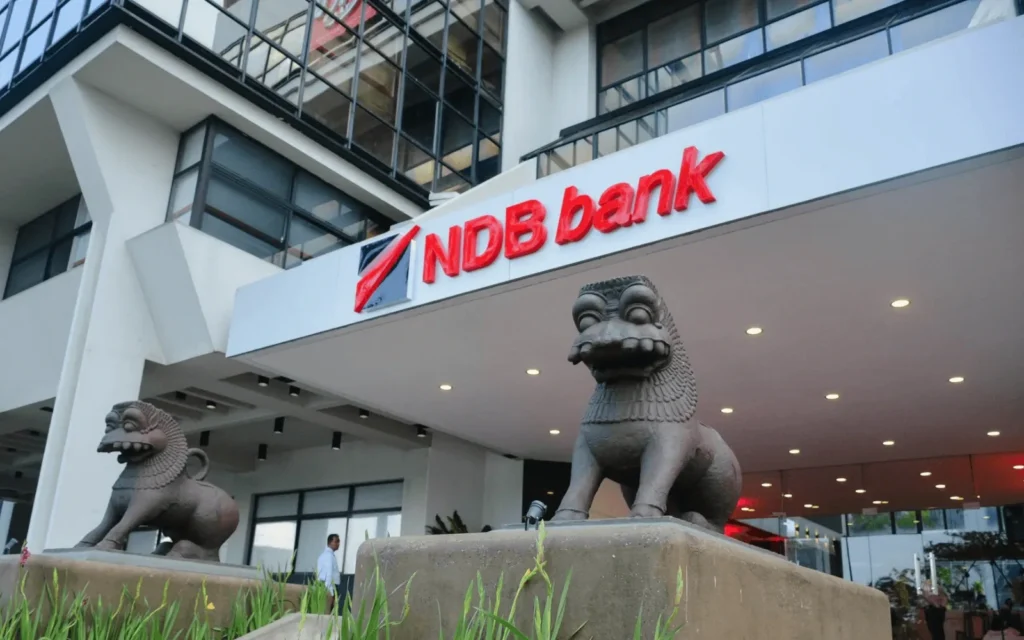
The scale and duration of the alleged fraud have transformed what might otherwise have been treated as an internal banking failure into a wider systemic concern. According to the document, the scheme exploited weekend settlement vulnerabilities over several years, enabling transactions to circumvent automated monitoring mechanisms.
The financial consequences have already been substantial. NDB was forced to slash previously reported historical profits by 46.5%, a move aimed at restoring capital buffers after the fraud was uncovered. Its Common Equity Tier 1 capital ratio has also been compressed by 183 basis points, highlighting the direct damage inflicted on the bank’s financial strength.
But the most politically sensitive dimension of the crisis is NDB’s ownership structure.
The Employees’ Provident Fund (EPF) and Employees’ Trust Fund (ETF) together hold approximately 32% of NDB, according to the document. This means that a substantial portion of the country’s workers’ retirement savings is directly exposed to the fortunes of a bank now dealing with a multibillion-rupee fraud.
The Central Bank of Sri Lanka (CBSL) faces an additional conflict of confidence because it is both the country’s banking regulator and the institutional custodian of the EPF. That dual role raises uncomfortable questions over whether regulatory oversight and the protection of retirement assets have been sufficiently separated.
CBSL has nevertheless moved aggressively to contain the damage. An independent forensic investigation by Deloitte India has been directed to report directly to the Director of Bank Supervision rather than the NDB board.
The regulator has also frozen scheduled cash dividends and restricted discretionary expansion. NDB has been ordered to restructure its Board Audit and Integrated Risk Management committees with effect from September 1 2026.
In another attempt to strengthen the balance sheet, NDB sold 91.8% of its strategic voting stake in Seylan Bank PLC for Rs.2.77 billion. The transaction recovered only about 21% of the reported fraud loss, illustrating the magnitude of the hole confronting the institution.
Meanwhile, the legal investigation has widened. Four suspects remain in custody while the CID follows an alleged offshore money trail involving approximately Rs.12.8 billion, reportedly converted through international cryptocurrency networks.
A derivative lawsuit, Case No. 21/2026/CO, has also been filed by minority shareholders against NDB directors and former external auditors Ernst & Young over alleged breaches of fiduciary duties.
The appointment of KPMG Sri Lanka as NDB’s new external auditor adds another layer to the governance overhaul.
The immediate question, however, extends beyond NDB’s survival.It is whether the country’s retirement savings architecture can withstand a major loss of confidence in an institution in which workers’ money represents nearly one-third of the ownership.
For millions of contributors, the NDB crisis is therefore no longer simply a banking scandal. It has become a test of whether the institutions entrusted with protecting workers’ savings can protect them when corporate governance fails.