




Sri Lanka’s long-delayed ambition to introduce electric trains has moved from policy rhetoric towards implementation, with the Government allocating Rs. 80 billion to begin infrastructure development in 2027. Yet behind the announcement lies a much larger financial, technical and institutional challenge that could determine whether the country finally gets a modern electric suburban railway or another unfinished transport mega-project.
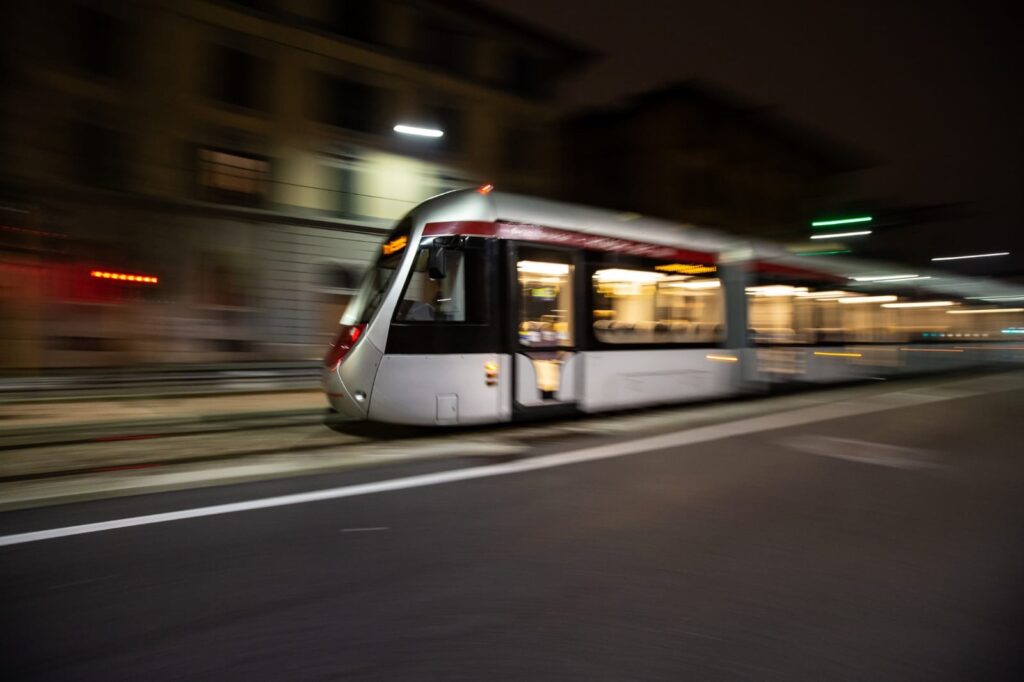
According to Railway General Manager Ravindra Padmapriya, infrastructure plans have been finalised and construction is expected to commence next year. The first stage will concentrate on the busiest commuter corridors radiating from Colombo, including Maradana–Ragama, Maradana–Panadura and the Maradana–Makumbura section of the Kelani Valley Line.
The proposed system represents a fundamental departure from Sri Lanka’s century-old railway architecture. Standard-gauge tracks, measuring 4 feet 8.5 inches, would replace the existing broad-gauge system on the new network. Electric Multiple Units and regenerative braking would form part of the modern operating system.
The Government expects electrification to reduce dependence on imported diesel, lower operating costs and improve commuter mobility. Automated signalling, additional tracks and modern train-control systems are also expected to increase frequency and potentially reduce journey times by 30-40%.
But the first obstacle is not electrification. It is the condition of the railway itself.
Sri Lanka Railways continues to struggle with deteriorating tracks, inadequate drainage, landslides, signalling limitations and congestion. Building overhead electrical infrastructure over unstable or poorly maintained railway corridors could create serious safety and construction risks.
This creates a potentially expensive sequencing problem. Before sophisticated electrical systems can be installed, substantial investment may be required in track rehabilitation, bridges, drainage, slope protection, signalling and land-related infrastructure.
The financing picture is even more complicated.
The newly announced Rs. 80 billion Treasury allocation is only a fraction of the estimated long-term requirement. The complete electrification, standard-gauge conversion and substation infrastructure for the three major corridors could cost approximately US$3 billion, or around Rs. 900 billion, over four to five years.
Meanwhile, the Asian Development Bank has historically been central to the Colombo Suburban Railway Project. Previous arrangements included US$11 million for project preparation and technical assistance, while up to US$600 million had been associated with implementation involving track expansion and electrification.
Another US$160 million financing framework has focused on efficiency improvements, including automated train-control facilities, LTE-based railway telecommunications and modern ticketing. A separate US$300 million soft-loan framework was also structured around the Kelani Valley Line’s modernisation.
The unanswered question is therefore fundamental: What exactly will the Rs. 80 billion finance?
Unless the Government clearly explains whether Treasury funds will supplement, replace or unlock existing multilateral commitments, the public cannot accurately assess the project’s true financial position.
The electric railway may be Sri Lanka’s biggest opportunity to modernise commuter transport. But without transparent financing, realistic cost estimates and rehabilitation of the existing network, the country’s electric-train dream could become another costly infrastructure promise.