




Sri Lanka’s lottery industry is once again facing scrutiny over how hundreds of millions of rupees are spent on printing and supplying tickets, as the Government moves to award contracts worth more than Rs. 480 million for seven National Lotteries Board (NLB) products.
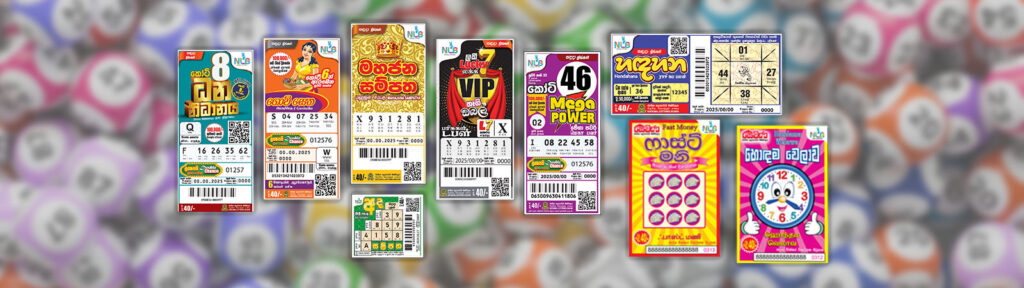
The latest procurement, approved by the Cabinet, covers Govisetha, NLB Handahana, Mega Power, Dhana Nidhanya, Ada Sampatha, NLB Jaya and Subha Dawasak. The contracts will run for one year and were awarded following recommendations by the High-Level Procurement Committee and Procurement Appeal Board.
Cabinet Spokesperson and Minister Dr. Nalinda Jayatissa said the tenders were called under National Competitive Bidding procedures on a lottery-brand basis. Five bids were received.
The State Printing Corporation submitted the lowest substantially responsive bids for Govisetha at Rs. 103.42 million, NLB Handahana at Rs. 91.30 million, Mega Power at Rs. 88.22 million and Dhana Nidhanya at Rs. 73.16 million. Ceylon Business Appliances Ltd. submitted bids of Rs. 83.36 million for Ada Sampatha, Rs. 67.80 million for NLB Jaya and Rs. 72.86 million for Subha Dawasak.
On paper, the process represents a return to competitive procurement. But the history of lottery-ticket procurement raises uncomfortable questions about whether tender safeguards have always been respected.
Parliamentary investigations and audits have previously highlighted allegations involving altered procurement specifications, non-tender awards and questionable supplier performance. One major concern was the alleged removal of a requirement for bidders to possess at least three years of lottery-printing experience, potentially widening the field for companies that may not have met the original technical standards.
Another investigation reportedly uncovered tickets being printed on 85 GSM glossy paper instead of the specified 120 GSM secure paper. Such a downgrade, if proven, would not merely represent a quality dispute. Lottery tickets are security-sensitive documents, and differences in paper, chemical coatings, coding and printing processes can affect their integrity.
The financial implications of procurement decisions have also been significant. According to the supplied material, the NLB printed tickets without formal tender procedures between 1995 and 2011. A supplier subsequently remained on contract until 2016. When competitive bidding was eventually introduced, the ticket price reportedly fell from 50 cents to 35 cents.
That difference illustrates why procurement transparency matters. Even seemingly small price variations become enormous when multiplied across millions of tickets.
The latest contracts therefore arrive under a long shadow. Competitive bidding, technical evaluation and Cabinet oversight may provide safeguards, but transparency does not end when a contract is awarded.
For the NLB, the real test will be whether specifications are enforced, suppliers deliver exactly what taxpayers pay for, and procurement decisions withstand independent scrutiny.
With hundreds of millions of rupees at stake, the public interest is clear: every ticket should carry not only a chance to win, but evidence of a clean and accountable system behind it.