




Sri Lanka’s lucrative access to European markets is entering a critical phase as the country faces tougher conditions to retain the European Union’s Generalised Scheme of Preferences Plus (GSP+) trade concessions beyond 2028.
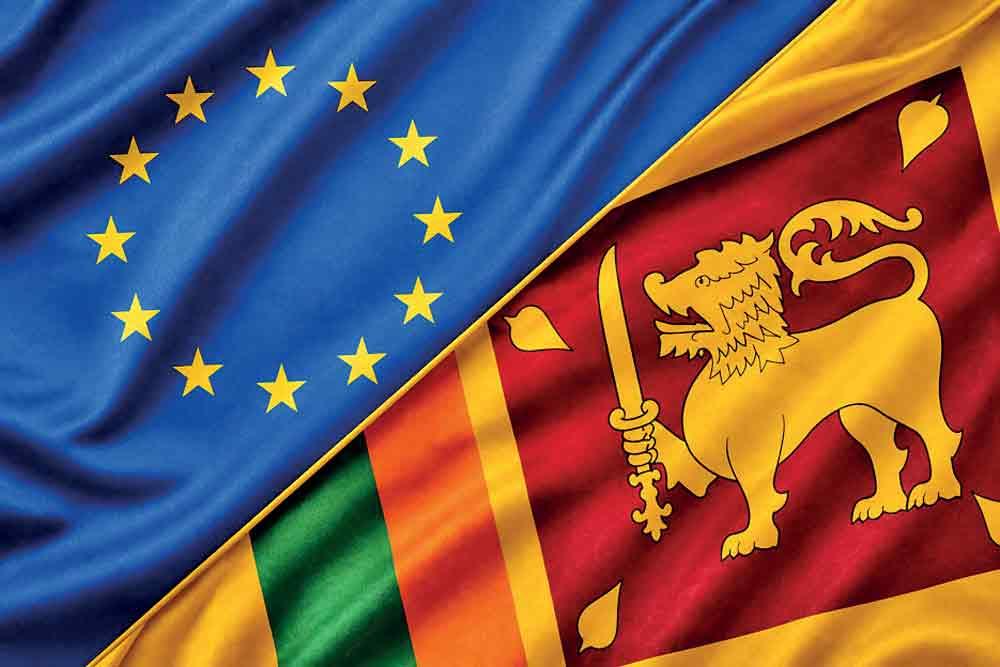
Under the revised framework, Sri Lanka will retain its existing GSP+ privileges during a transition period until December 31, 2028. But continued access after that deadline will require a fresh application under significantly stricter criteria. At stake is not merely a trade agreement, but millions of euros in tariff savings and a vital export lifeline.
The emerging dispute over judicial independence could become one of the most consequential tests of Sri Lanka’s compliance.
The government has gazetted the 22nd Amendment to the Constitution Bill, proposing to raise the mandatory retirement age of Supreme Court judges from 65 to 67 and Court of Appeal judges from 63 to 65. The legislation would also increase the maximum number of Court of Appeal judges from 19 to 24.
The proposal has triggered strong opposition from legal and international actors. UN Special Rapporteur on the independence of judges and lawyers Margaret Satterthwaite has warned that applying the changes to sitting judges could weaken judicial independence and public confidence in the courts. Critics contend that the timing and application of the changes could benefit particular office-holders while bypassing conventional transitional safeguards.
The Bar Association of Sri Lanka has also unanimously rejected the proposal, questioning the lack of transparency and pointing to the government’s failure to fill eight existing vacancies in the superior courts.
That controversy matters beyond Colombo’s legal establishment.
The EU’s GSP+ system explicitly links trade preferences to commitments on human rights, good governance and the rule of law. Any perception that constitutional changes are being used to influence judicial tenure could therefore become part of a broader assessment of Sri Lanka’s eligibility.
Judicial concerns are only one part of the growing compliance challenge.
EU monitoring has continued to focus on Sri Lanka’s human-rights record, including the Prevention of Terrorism Act, the Online Safety Act, arbitrary detention, alleged police brutality and unresolved deaths in custody. Protection of ethnic and religious minorities and the decriminalisation of consensual same-sex relations are also among issues linked to international human-rights commitments.
The economic stakes are substantial. In 2024, GSP+ reportedly provided Sri Lankan exporters with about €139 million in direct import-tax relief. Yet the facility’s utilisation rate remains around 68.9%, underscoring both its importance and the unrealised potential of preferential access.
The clock is now ticking.
With the revised framework beginning in 2027 and a 2028 application deadline approaching, Sri Lanka faces a choice: align domestic law and institutions with international commitments, or risk turning a valuable European trade advantage into a casualty of unresolved governance and human-rights disputes.
The question is no longer simply whether Sri Lanka can keep GSP+. It is whether its reforms will withstand the scrutiny required to earn it.