




Colombo’s One Galle Face has emerged as one of Sri Lanka’s most prominent luxury and business destinations, attracting international visitors, regional investors and a particularly strong Indian tourism market. Developed by Hong Kong-based Shangri-La Group on prime oceanfront land, the integrated complex combines luxury retail, residences, offices and hospitality. Yet behind its commercial success lies a decade-old controversy over the acquisition of the state land on which the development stands.
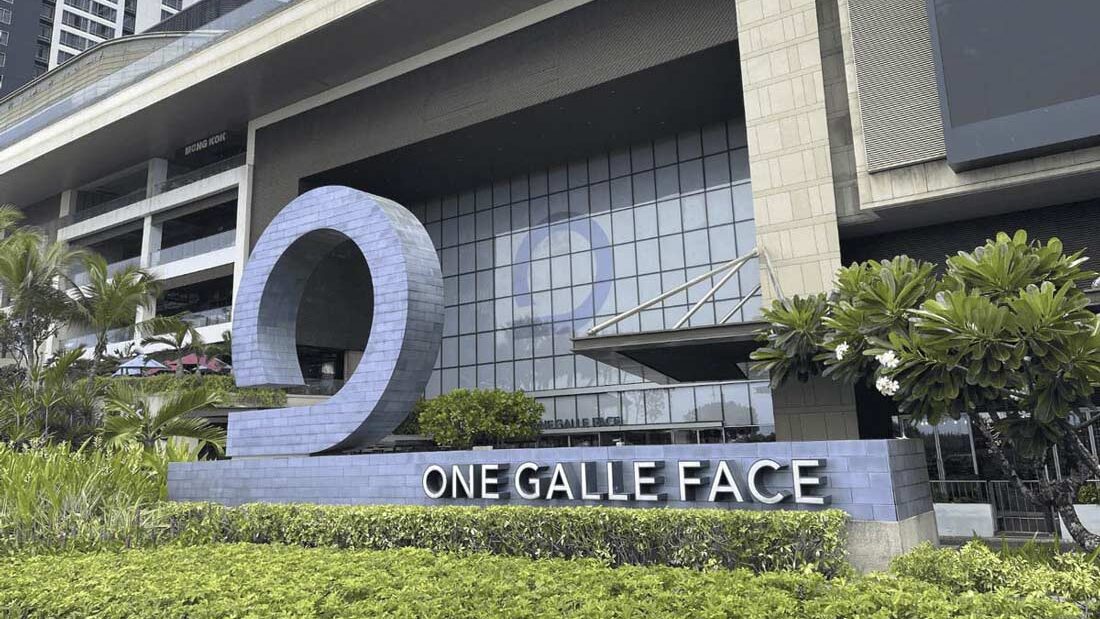
The dispute dates to December 2010, when the Sri Lankan government finalized the transfer of several acres of prime land previously occupied by the military headquarters to the Shangri-La Group. Opposition politicians and anti-corruption campaigners questioned why the property was sold outright rather than transferred through a conventional long-term lease. Critics argued that the process bypassed competitive tender requirements and failed to adequately protect the value of valuable state property.
The controversy intensified when allegations emerged concerning the financial structure surrounding the land transaction. According to complaints and allegations referenced in the supplied material, payments connected to the acquisition were not transferred solely through a straightforward buyer-to-state financial arrangement. Instead, investigators examined a network of intermediary companies and offshore accounts.
Two British Virgin Islands-registered entities, identified as TPL Inter and Helliard, became central to those allegations. The companies were reportedly presented as providers of project-management and consultancy services linked to the One Galle Face development. However, investigators and anti-corruption campaigners have alleged that the entities functioned primarily as shell companies rather than genuine commercial operators.
At the heart of the allegations is approximately US$5 million said to have moved through the offshore entities. Investigators have reportedly examined whether portions of those funds were subsequently introduced into Sri Lanka’s financial system through private accounts. The allegations further claim that some of the money ultimately benefited politically influential individuals and was used in connection with private property purchases.
Those claims, however, remain allegations and should be distinguished from facts established through final judicial findings. The existence of offshore companies or consultancy arrangements, by itself, does not establish criminal conduct. Determining whether the entities had legitimate commercial functions, whether any payments constituted unlawful gratification, and who ultimately benefited from the funds requires scrutiny of banking records, corporate ownership documents, contracts and court findings.
The contrast is striking. Today, One Galle Face represents Colombo’s transformation into a regional luxury, tourism and commercial hub, generating substantial economic activity through its retail, residential, office and hospitality operations. Nevertheless the questions surrounding the original land transaction have not disappeared.
The case illustrates a broader challenge facing Sri Lanka: how to attract major foreign investment while ensuring that state assets are transferred transparently and that complex international financial structures do not obscure accountability. For One Galle Face, the glittering skyline tells only part of the story; the unresolved financial questions surrounding its origins remain a significant chapter in Sri Lanka’s continuing debate over public land, foreign investment and corruption safeguards.