




Sri Lanka and India are preparing to reopen a trade relationship that has shaped bilateral commerce for years, with the two countries agreeing to establish a joint working group to update their existing Free Trade Agreement (FTA).
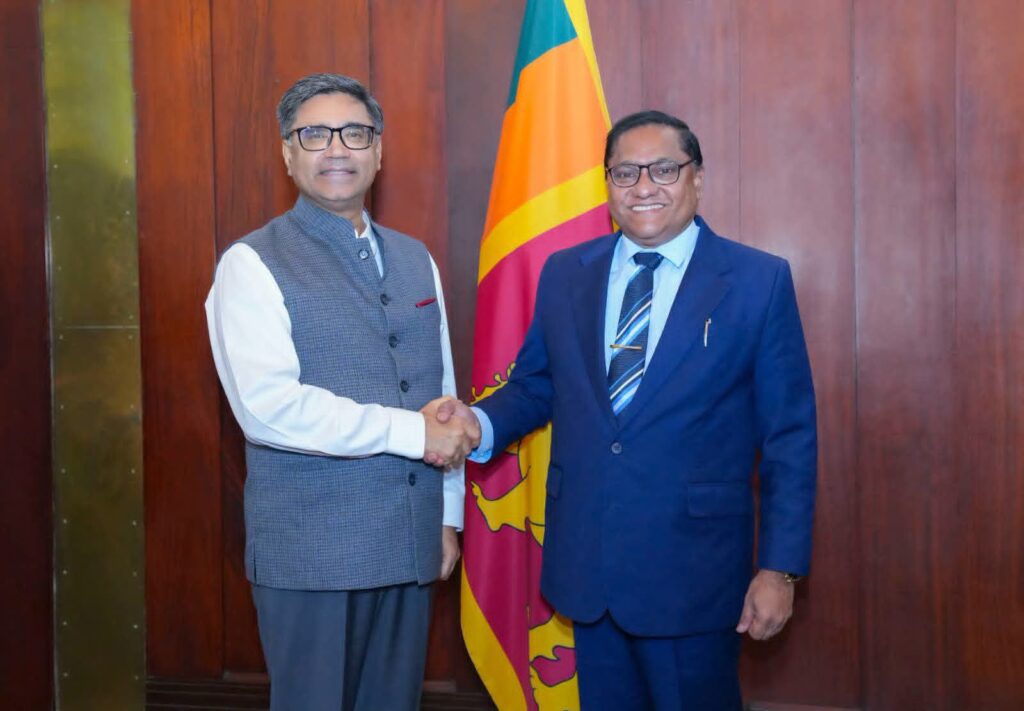
The decision, reached during Indian Foreign Secretary Vikram Misri’s visit to Colombo on Wednesday, signals a potentially significant shift in how Sri Lanka intends to manage its trade arrangements with India and other countries.
Foreign Affairs Minister Vijitha Herath said both sides would shortly nominate members to the proposed working group, after which negotiations would begin. The existing agreements would be reviewed, he said, with the objective of producing a new arrangement that benefits both countries.
But behind the announcement lies a larger question: what exactly does Sri Lanka want from a revised trade relationship with India?
The government has indicated that the review will not be limited to India. Herath said Sri Lanka would also examine its trade agreements with other countries, studying their advantages and disadvantages before considering renegotiation.
That approach could amount to a broader reassessment of Sri Lanka’s trade policy rather than a routine amendment to an existing agreement.
The India review comes as Colombo attempts to balance trade opportunities with concerns over implementation, market access and the practical benefits generated by bilateral agreements. A revised FTA could therefore become a test of whether Sri Lanka can secure greater economic value from preferential trading arrangements while protecting domestic interests.
The timing is also notable because several India-backed projects in Sri Lanka remain stalled or have progressed slowly despite repeated discussions.
During Misri’s visit, India pressed for faster implementation of projects that have been moving at a slow pace, according to information available on the discussions. Energy projects were among the priorities, including the electricity grid interconnection, the Sampur solar power project and the development of Trincomalee as an energy hub.
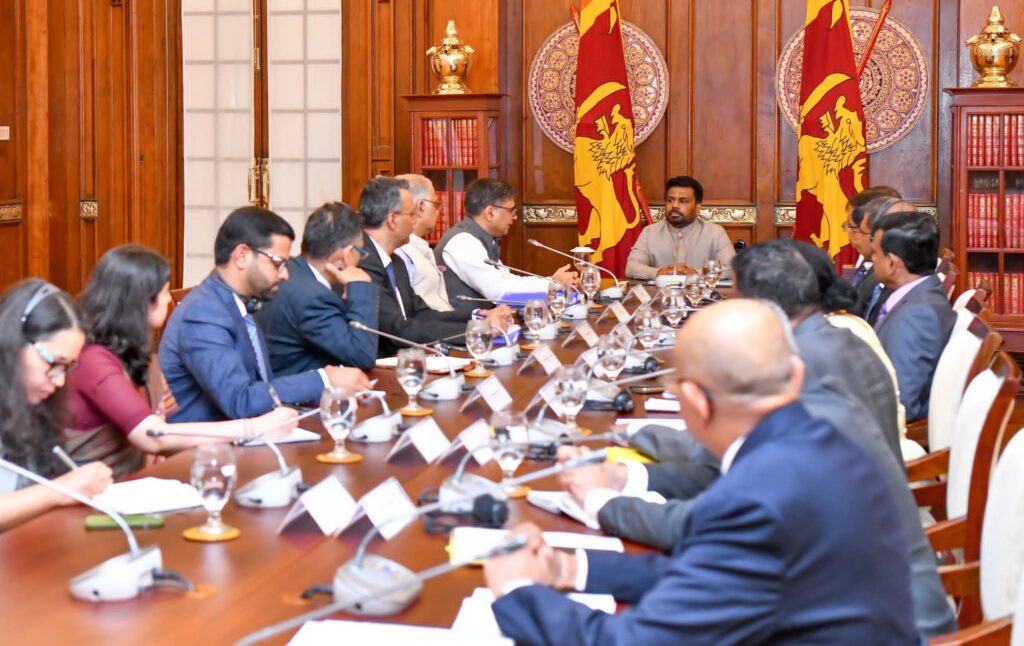
The two sides also discussed accelerating the tender process for Sri Lanka’s Unique Digital Identity project and finalising an agreement on rehabilitating and modernising Kankesanthurai harbour through a US$61.5 million Indian grant.
The trade negotiations will therefore unfold alongside a broader attempt to improve the delivery of existing bilateral commitments.
For Sri Lanka, the challenge will be converting diplomatic agreements into measurable economic gains. For India, the proposed working group could provide an avenue to address longstanding trade concerns while pushing stalled projects forward.
The coming negotiations may consequently reveal whether the relationship is entering a genuinely new economic phase or simply updating agreements that have struggled to deliver their full potential.