




Sri Lanka’s fragile economic recovery is facing fresh scrutiny after former Finance Minister and MP Ravi Karunanayake warned President Anura Kumara Dissanayake that the country is heading towards a dangerous period of stagflation unless the Government urgently reviews its monetary policy framework.
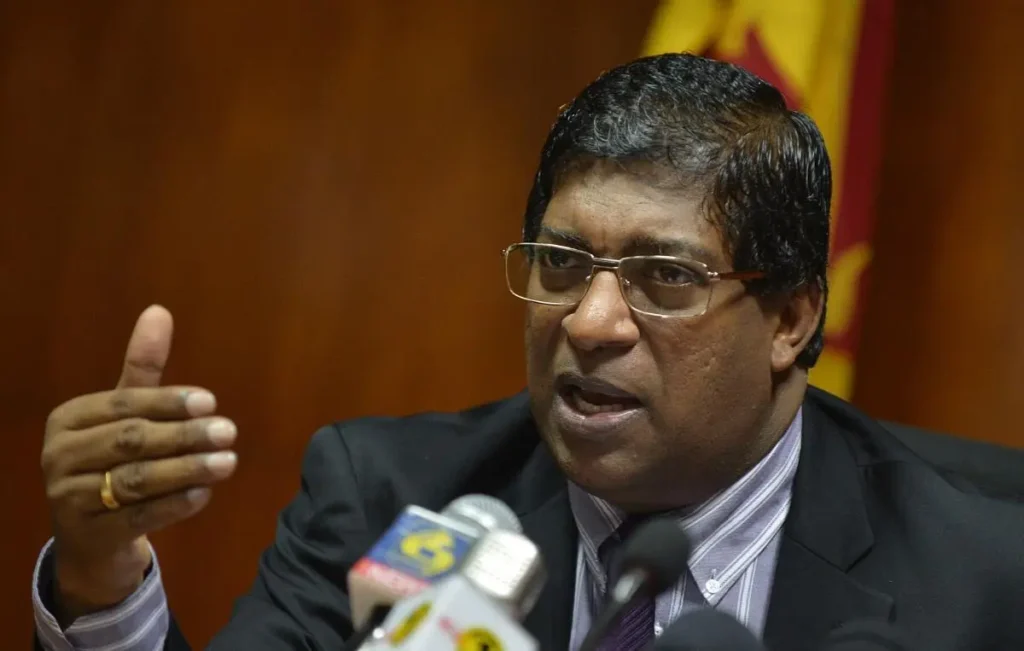
In a strongly worded letter to the President, Karunanayake argues that while Sri Lanka has technically emerged from sovereign default, the economy now faces a far more damaging structural threat a combination of stagnant growth, shrinking household purchasing power and persistent inflation.
His warning comes after the Colombo Consumer Price Index (CCPI) climbed to 7.3 percent in July 2026, exceeding the Central Bank’s inflation target despite months of tight monetary policy.
Karunanayake contends that the Government’s continued reliance on the IMF-backed inflation-targeting framework has failed to recognize the real causes of rising prices.
According to him, inflation is no longer driven by excessive consumer demand but by external and domestic supply shocks. A 47 percent increase in fuel prices linked to escalating Middle East tensions has sharply increased transportation and production costs, while food prices and housing rents continue to rise, placing unbearable pressure on ordinary families.
“These are structural problems that higher interest rates alone cannot solve,” he argues.
The former Finance Minister also criticizes the Government for maintaining a five percent inflation target, warning that it steadily erodes real incomes, disproportionately affecting pensioners, salaried workers and small savers.
He says this has weakened domestic demand and delayed economic recovery despite repeated assurances that inflation would eventually normalize.
The timing of his intervention is significant.
The Monetary Policy Framework Agreement (MPFA) is scheduled for its mandatory statutory review in October 2026 under the Central Bank Act No.16 of 2023, offering the Government an opportunity to revise the country’s monetary strategy.
Karunanayake is urging the administration to reduce the inflation target to between two and three percent, bringing Sri Lanka in line with regional economies such as India and Thailand.
He also wants the Government to narrow the permissible inflation band, strengthen Central Bank accountability and link monetary policy more closely to long-term economic growth rather than focusing almost exclusively on inflation.
Although the Central Bank increased its Overnight Policy Rate by 100 basis points to 8.75 percent in May before holding rates steady in July, officials argue that monetary tightening takes time to influence the wider economy.
The IMF has supported this position, projecting inflation will ease by 2027.
However, Karunanayake warns that waiting for market forces alone to restore stability could deepen economic hardship.
He argues that the October review must become a turning point by introducing reforms that promote investment, strengthen foreign exchange reserves, improve export competitiveness and support employment growth.
With inflation once again exceeding official targets, his appeal raises uncomfortable questions about whether Government policy is responding quickly enough to the realities facing households and businesses struggling to survive rising living costs.