




The National People’s Power (NPP), elected on a platform of fighting corruption and protecting Sri Lanka’s natural heritage, is now facing growing criticism over allegations that some of its local representatives are backing development projects that could threaten environmentally sensitive areas.
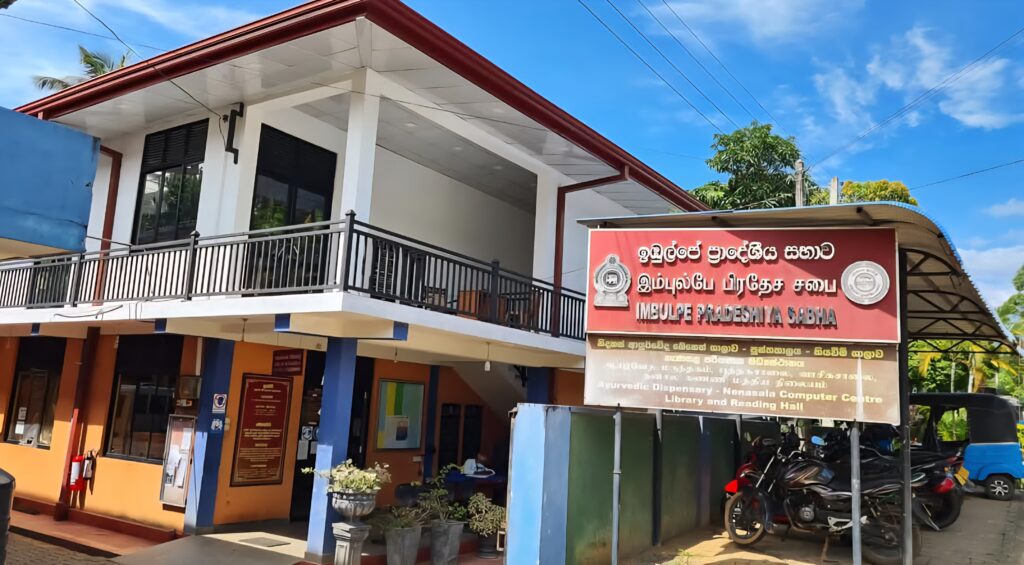
The latest controversy has emerged in the Imbulpe Pradeshiya Sabha area, where a proposal to construct a new access road linking Belihuloya, Galagama, Nagarek and Namperiya Watta to Horton Plains National Park has reignited a long-running environmental debate.
The proposal, supported by Imbulpe Pradeshiya Sabha Chairman A.M. Sugath Amarasinghe Banda and Ratnapura District Parliamentarian Vasantha Pushpakumara, was discussed during a recent meeting chaired by the Minister of Environment and attended by District Secretary D.P.G. Renuka.
Tourism operators argue that improved road access would attract more visitors, create employment opportunities and stimulate the local economy. Under the proposal, vehicles would travel as far as Nagarek before visitors continue on foot into Horton Plains.
However, environmental organisations warn that the planned road would cut across four protected forest areas, including the Ratnagalam Forest Reserve, posing significant risks to wildlife habitats and fragile ecosystems.
Conservationists say the proposal resembles an abandoned initiative promoted by the previous administration, which also sought to establish an approximately 10-kilometre access route through Namperiya Watta. That project failed to proceed amid environmental objections.
Experts caution that opening a new road through protected forests could fragment wildlife habitats, increase illegal encroachment and expose rare endemic species to greater human disturbance. Horton Plains and the adjoining protected landscapes form one of Sri Lanka’s most valuable biodiversity corridors, supporting numerous endemic plants, mammals, birds and amphibians.
The proposed development also raises important legal questions. Under Sri Lanka’s Fauna and Flora Protection Ordinance, development within national parks and wildlife reserves requires approval from the Director General of Wildlife Conservation and must undergo rigorous environmental assessments before implementation.
Environmental lawyers note that any project affecting protected areas without following these statutory procedures could face legal challenges. Violations of wildlife protection laws may result in substantial fines and imprisonment.
Supporters insist the project represents responsible tourism development capable of lifting rural incomes. Critics, however, argue that economic benefits should never come at the expense of irreversible environmental damage.
The debate has become a significant test of the NPP government’s environmental credentials. Having pledged transparency, sustainable development and stronger environmental governance, its handling of the Horton Plains access road proposal will likely determine whether those commitments translate into policy or remain campaign promises.
As pressure mounts from both tourism interests and conservation groups, authorities now face a difficult choice between pursuing short-term economic gains and preserving one of Sri Lanka’s most ecologically significant landscapes for future generations.