




The Sri Lankan government has embarked on a dramatic shift in managing some of the country’s most prestigious state-owned properties after years of maintaining a network of presidential residences that now stand empty. The decision to lease several official residences for long-term tourism projects comes after mounting concerns over the public cost of preserving buildings that the current President has chosen not to use.
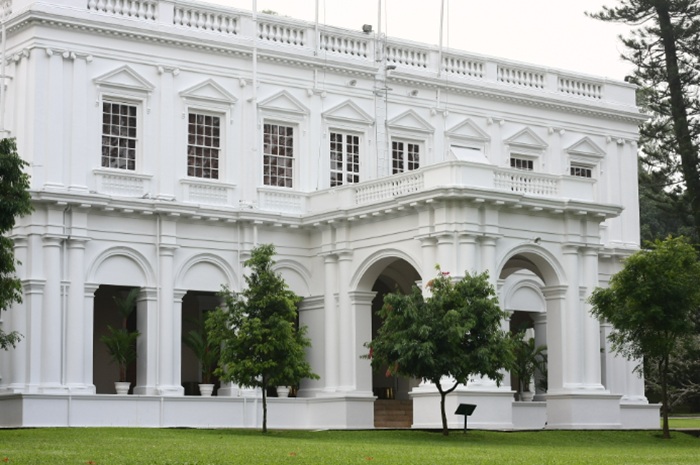
Since assuming office on September 22, 2024, President Anura Kumara Dissanayake has declined to occupy any of the official presidential residences spread across the country. The move aligns with the National People’s Power (NPP) government’s promise to reduce state privileges and unnecessary expenditure.
However, while the residences remain unoccupied, taxpayers continue to shoulder the financial burden of maintaining them.
Sri Lanka has seven official presidential residences located in Colombo Fort, Kandy, Nuwara Eliya, Anuradhapura, Kataragama, Mahiyanganaya and Bentota. These properties possess significant architectural, historical and commercial value and are maintained under the Presidential Secretariat.
Parliamentary disclosures reveal that the government spent nearly LKR 33 million during 2025 on electricity, telephone services and other operational expenses across the seven residences. Even more striking is the expenditure on completely unused properties. The residences at Kataragama, Mahiyanganaya and Bentota where no presidential meetings, official functions or overnight stays took place still incurred more than LKR 2.4 million in standing utility costs.
Although cost-cutting measures introduced in 2026 reduced maintenance allocations to approximately LKR 3.4 million during the first six months of the year, officials acknowledge that maintaining empty luxury estates remains an expensive proposition.
Recognizing the growing financial burden, the Cabinet has approved a proposal to commercially utilize several regional presidential residences. A committee appointed by the government has been tasked with preparing an investment strategy aimed at attracting private investors for tourism ventures through long-term lease agreements.
The proposed projects will initially focus on residences in Bentota, Kataragama, Mahiyanganaya, Ambilipitiya and Anuradhapura.
Officials argue that the initiative represents a practical solution rather than a sale of public assets. Under the proposed framework, ownership of the properties will remain with the State while investors develop tourism-related facilities capable of generating long-term revenue and reducing maintenance costs borne by taxpayers.
The residences themselves are well suited for such ventures. Most feature landscaped gardens, spacious accommodation and high-quality infrastructure originally designed for visiting heads of state and official functions. Their strategic locations near major tourist attractions further enhance their commercial potential.
The government’s decision marks one of the most significant changes in the management of presidential assets in decades. Instead of preserving largely vacant estates at public expense, authorities hope to transform them into productive national assets capable of supporting tourism, creating employment and generating recurring income.
Whether the initiative succeeds will depend on investor interest, transparent leasing procedures and the government’s ability to balance heritage conservation with commercial development. For now, however, the era of maintaining empty presidential residences at taxpayers’ expense appears to be coming to an end.
By Special Correspondent