




The Sri Lankan government has taken its clearest step yet toward legitimizing crypto currency through regulation, despite years of official warnings describing virtual assets as high-risk instruments vulnerable to money laundering and financial crime.
Cabinet approval to develop a regulatory framework for virtual assets signals a fundamental policy shift. Instead of discouraging crypto currency activity altogether, policymakers now appear to accept that the market has grown beyond the reach of prohibition and requires formal oversight.
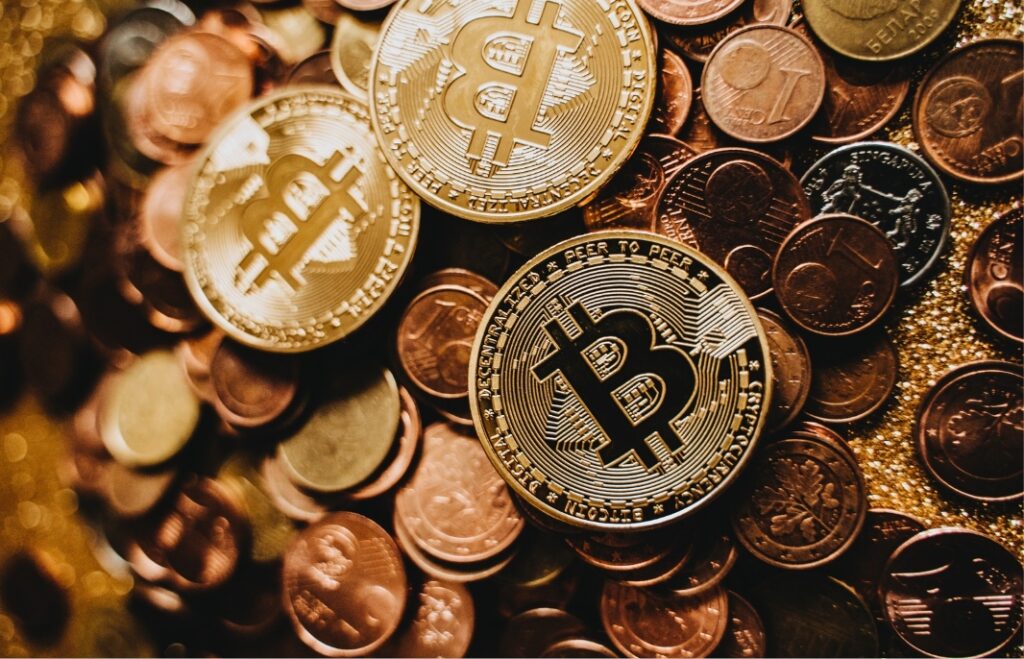
The move follows increasing recognition that Sri Lankan residents continue to trade crypto currencies through international exchanges and peer-to-peer platforms without meaningful domestic supervision. These services enable users to transfer value across borders, invest in digital assets, and exchange crypto currencies without relying on traditional financial institutions. Because these platforms operate outside existing Sri Lankan laws, regulators have had limited authority to enforce customer verification, transaction reporting, or compliance with anti-money laundering obligations.
For years, this regulatory gap was viewed primarily as a threat.
The Central Bank repeatedly cautioned that crypto currency transactions could facilitate money laundering, terrorist financing, tax evasion, and capital flight. Investors were warned that digital assets carried no legal protections and that losses resulting from fraud or exchange failures would not be recoverable through existing financial regulations.
However the persistence of crypto currency usage appears to have changed the government’s calculations.
Rather than attempting to eliminate an increasingly global technology, authorities now intend to create a system that monitors and supervises it. Officials argue that effective regulation can reduce financial crime by forcing Virtual Asset Service Providers to comply with internationally accepted standards on customer due diligence, transaction monitoring, record retention, and suspicious transaction reporting.
The proposed framework places the Securities and Exchange Commission at the center of virtual asset regulation, working alongside the Financial Intelligence Unit and the Inland Revenue Department. This multi-agency model reflects the government’s broader objectives—not only preventing financial crime but also ensuring that digital asset activities fall within Sri Lanka’s tax and regulatory systems.
The policy is closely aligned with evolving international practices. Global anti-money laundering standards increasingly encourage governments to regulate crypto currency businesses rather than leave them outside formal oversight. Bringing exchanges into a licensing regime could improve transparency, strengthen investor confidence, and enhance cooperation with foreign regulators investigating cross-border financial crimes.
However, regulation alone will not resolve every challenge. Crypto currency markets remain highly volatile, cybercrime continues to threaten digital asset holders, and decentralized finance presents enforcement difficulties that conventional regulatory models were never designed to address. Regulators will also need to determine how overseas exchanges serving Sri Lankan customers can be supervised or required to comply with domestic laws.
The government’s decision therefore represents more than a legislative exercise it is an acknowledgment that crypto currency has become part of Sri Lanka’s financial landscape. The success of this initiative will depend not on recognizing virtual assets, but on whether regulators can strike the difficult balance between encouraging innovation, protecting investors, and preventing the very financial crimes that once formed the basis for official opposition to crypto currency.
If these are intended for publication, I can also rewrite them in a hard-hitting investigative style similar to Reuters, Bloomberg, or the Financial Times, with stronger sourcing language, policy context, and sharper scrutiny of the government’s apparent policy reversal.
By Special Correspondent