




Sri Lanka’s fastest sprinter, Yupun Abeykoon, shocked the sporting world on July 21, 2026, when he announced his retirement from competitive athletics at the age of 31. The decision was not triggered by declining performance or injury concerns but by years of frustration over administrative failures, inadequate infrastructure, and unresolved financial commitments.
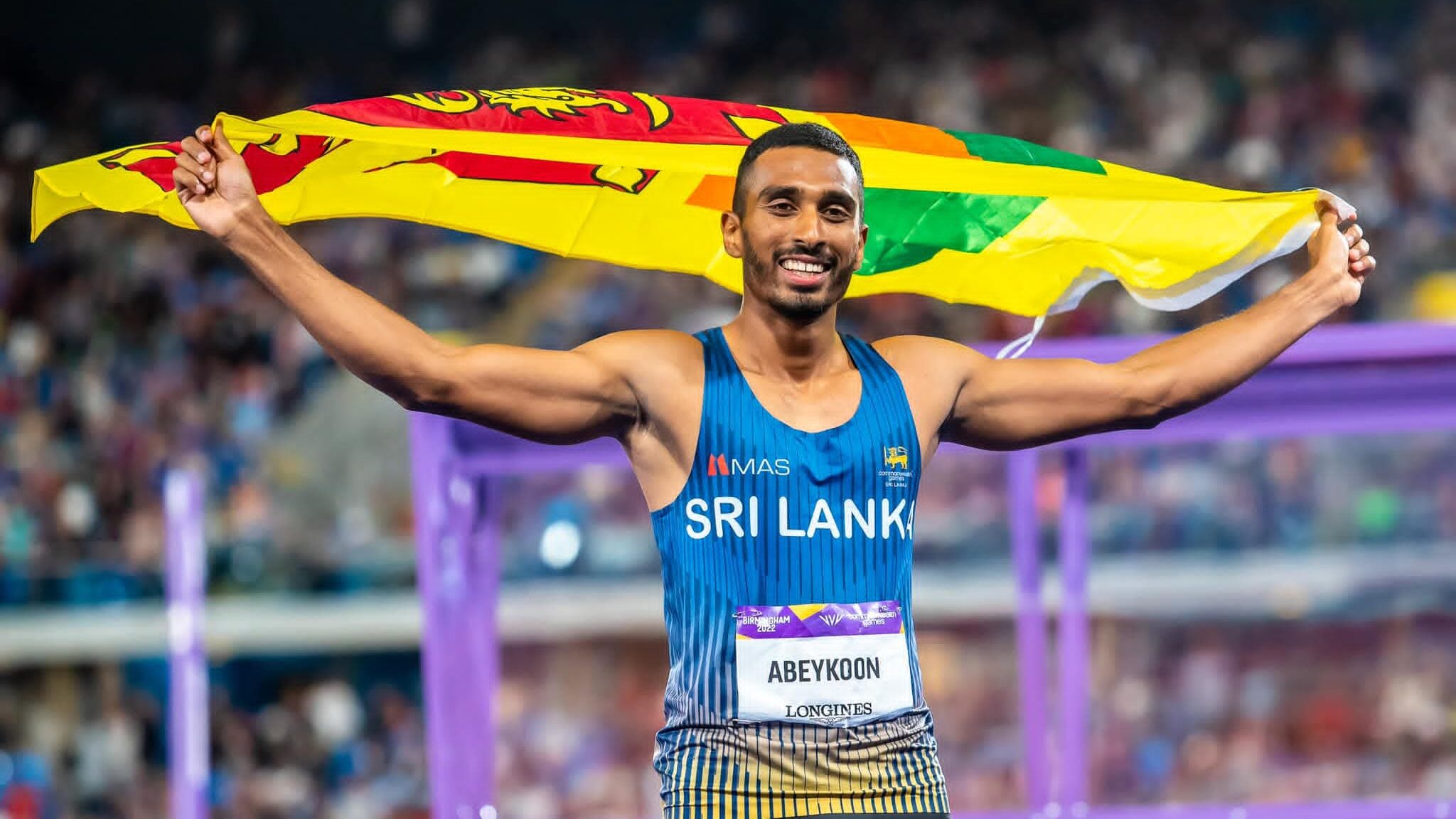
Abeykoon’s sudden exit has triggered a nationwide debate involving the Ministry of Sports, political figures, and thousands of supporters on social media. The retirement of South Asia’s fastest man has once again exposed the fragile system supporting Sri Lanka’s elite athletes.
The central dispute revolves around an alleged USD 300,000 financial commitment. Sports Minister Sunil Kumara Gamage stated that Abeykoon had requested the government to honour a promise worth around Rs. 100 million. However, the Minister claimed that the commitment was only a verbal assurance made by former Sports Minister Harin Fernando and was never supported by official documentation.
Minister Gamage explained that the current administration cannot approve payments based on undocumented promises made by previous governments. He said state funding decisions must follow established procedures under the “Mission Olympics” programme, where athletes are assessed according to international rankings, performance standards, and current achievements.
However, Abeykoon strongly rejected what he described as a misleading public narrative. He clarified that the USD 300,000 was not a personal demand or a condition for continuing his career. According to the sprinter, the amount represents accumulated professional expenses and unpaid commitments involving his coaches, medical team, and training facilities in Italy since 2021.
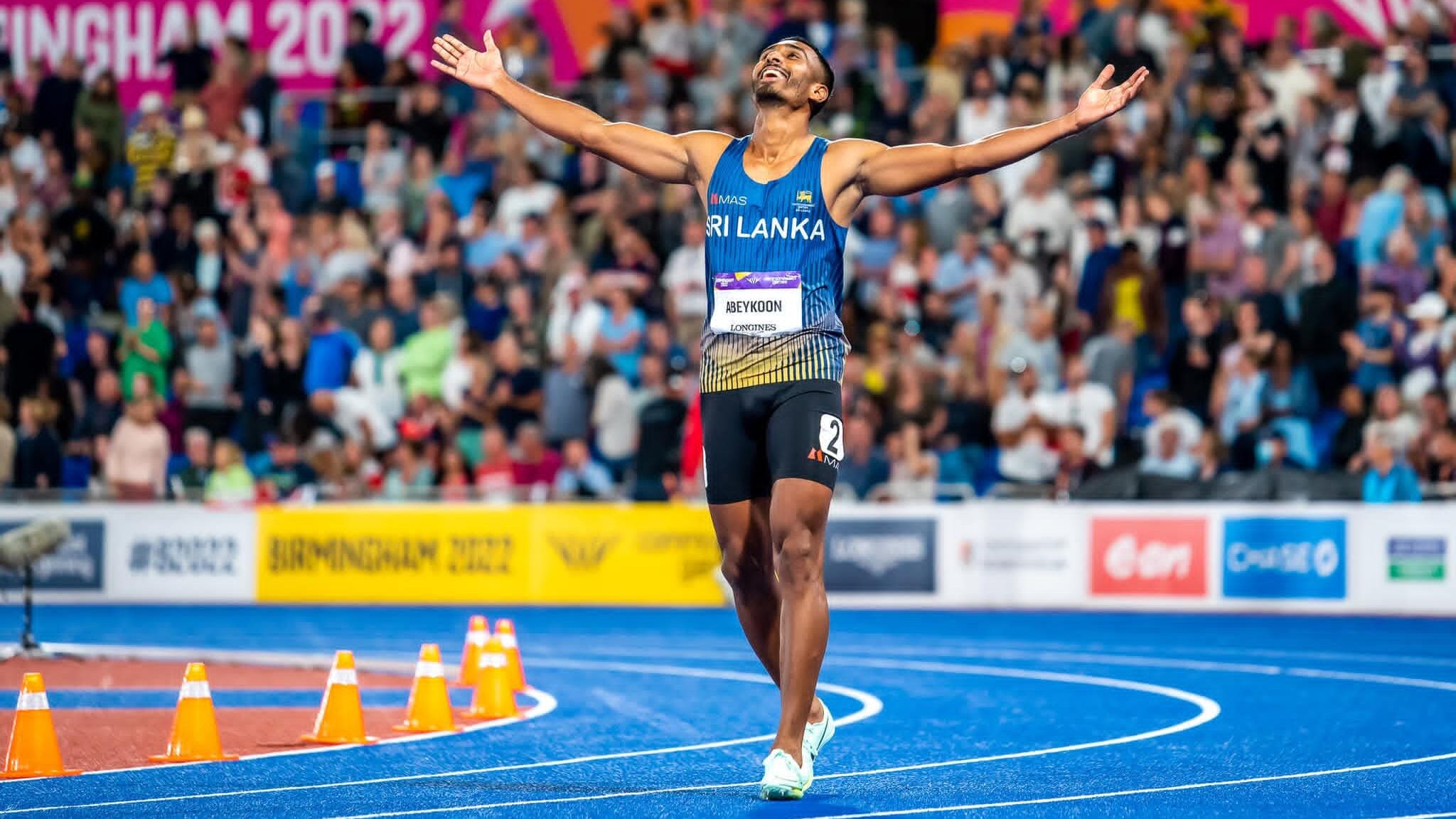
Abeykoon insisted that discussions regarding these payments were conducted over several years under different administrations and were supported by documentation. He said his request was simply for the government to resolve long-standing structural debts faced by an athlete representing the country internationally.
The controversy highlights a deeper crisis within Sri Lankan athletics. Abeykoon stated that he still had two to three years of peak performance remaining and hoped to compete in another Olympic cycle. His retirement, he said, was caused by administrative frustration rather than physical limitations.
He also criticised the condition of Sri Lanka’s premier athletic facilities, particularly Sugathadasa Stadium, which suffers from poor maintenance and outdated equipment. According to him, a country cannot produce world-class athletes without professional training environments and proper support systems.
The dispute between Abeykoon and the Sports Ministry reflects a larger battle between past political commitments and the current government’s strict financial framework. Yet the biggest question remains: how can Sri Lanka protect rare world-class athletes when its sporting system continues to struggle with bureaucracy, broken promises, and institutional neglect?