




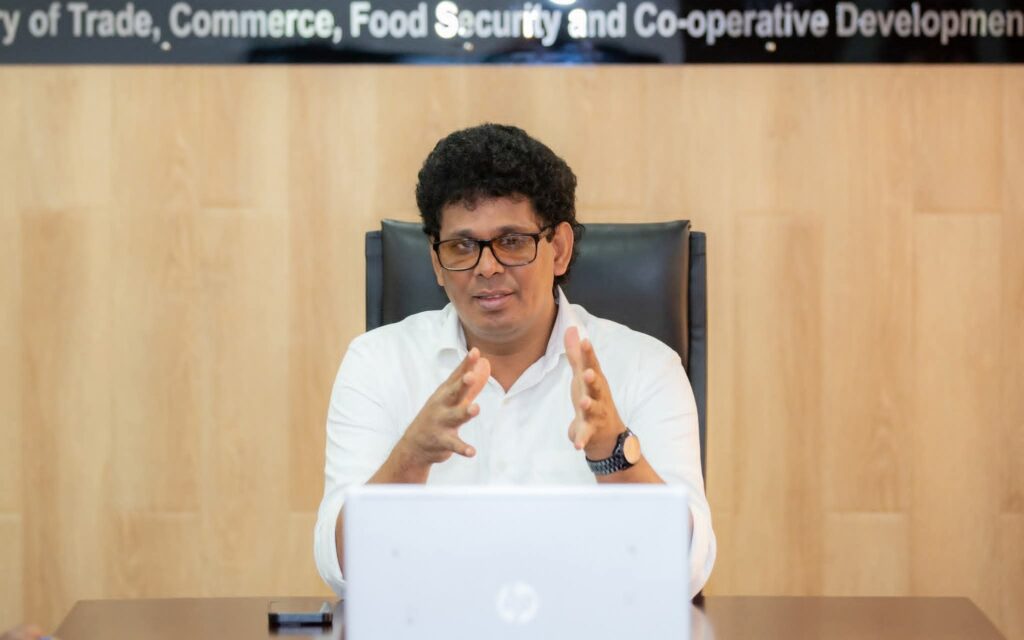
Sri Lanka’s Ministry of Trade, Commerce, Food Security and Cooperative Development is facing one of its most challenging periods as controversial rice import policies, anti-corruption investigations, and legal disputes converge to place mounting pressure on Trade Minister Wasantha Samarasinghe. While the government maintains that its decisions were aimed at protecting consumers and dismantling monopolistic practices, farmer organizations, opposition politicians, and independent oversight bodies argue that the Ministry’s actions have triggered severe economic consequences for local producers and raised wider governance concerns.
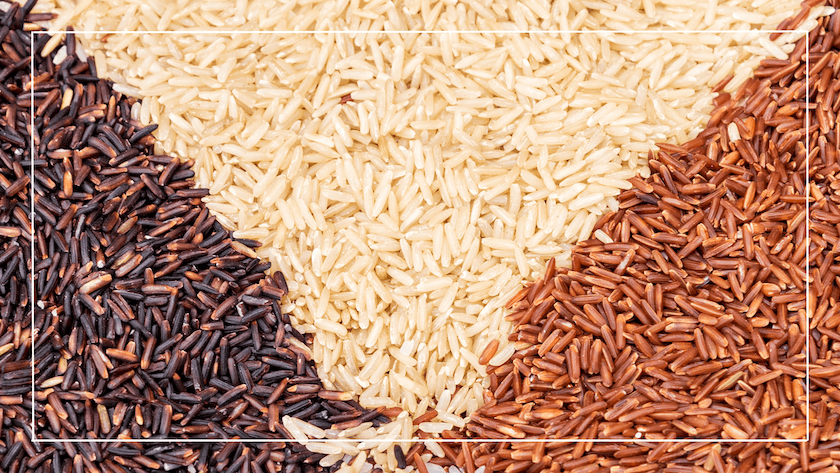
The most immediate controversy surrounds the government’s large-scale rice imports, which critics say disrupted the domestic market just weeks before the country’s 2026 Yala harvest. According to the National Agrarians’ Unity, nearly 100,000 metric tons of imported rice entered the market during a period when local farmers were preparing to sell their harvests. Farmer organizations claim the sudden increase in supply slashed demand for locally produced rice by almost 60 percent, leaving thousands of cultivators struggling to recover production costs.
The situation worsened after temporary import relaxations allowed more than 156,000 metric tons of alternative rice varieties, including Ponni Samba and Basmati, into the country. Wholesale rice prices reportedly fell to between Rs. 150 and Rs. 155 per kilogram, significantly weakening the bargaining position of paddy farmers. Agricultural unions argue that the imports benefited traders while pushing local producers toward financial hardship.
Political criticism intensified when the Ministry proposed distributing surplus imported rice to government employees through state-owned Sathosa outlets at concessionary prices. Opposition parties and farmer groups alleged the move was intended to dispose of excess imported stocks and minimize government losses arising from poor procurement planning. The Ministry rejected those accusations, insisting that imports were carefully calculated to break the dominance of private rice millers and prevent excessive consumer prices. Facing mounting criticism from farming communities, the Cabinet has since moved to restore restrictions on rice imports to stabilize the domestic market.
Beyond the agricultural crisis, the Ministry has also come under increasing scrutiny from independent oversight institutions. Trade Minister Samarasinghe is among several Cabinet ministers whose asset declarations are being verified by the Commission to Investigate Allegations of Bribery or Corruption (CIABOC) following complaints seeking greater transparency over public procurement and personal wealth.
Parliament has also intensified pressure. Findings from the Committee on Public Enterprises (COPE), debated and approved in July 2026, recommended that serious financial and managerial irregularities identified within several state institutions, including Lanka Sathosa Limited, be referred to CIABOC for further investigation. The parliamentary findings point to systemic administrative weaknesses and procurement concerns that have placed the Ministry under renewed public examination.
The broader institutional picture was further complicated earlier this year when former senior officials of the Trade Ministry, including a former Ministry Secretary, an Additional Secretary, and the former Chief Financial Officer, were arrested by CIABOC over allegations relating to a procurement process connected with an online lottery system. Those cases remain before the courts and highlight continuing concerns over governance within the Ministry.
Public attention has also focused on Minister Samarasinghe’s declaration of assets and liabilities, which disclosed family assets reportedly valued at approximately Rs. 275 million, including cryptocurrency investments. The disclosure generated intense public debate because cryptocurrencies are not recognized as legal tender in Sri Lanka. Separately, victims of the “Earn Way” cryptocurrency fraud alleged that the Minister’s name had been used without authorization to attract investors. Samarasinghe denied any involvement in the alleged scam, stating that his cryptocurrency holdings were lawful private investments accumulated through years of business activity. The Central Bank has clarified that while holding digital assets is not prohibited, cryptocurrency cannot be used for domestic transactions under existing regulations.
The Minister is also involved in an ongoing legal dispute concerning the lease of a commercial building linked to the National Workers’ Institute. A complaint alleges that a forged deed was used to lease the property, resulting in the alleged diversion of approximately Rs. 3.6 million. Samarasinghe has denied the allegations, maintaining that the lease was approved through a legitimate union resolution and that all proceeds were directed toward trade union welfare rather than personal benefit. The investigation has been forwarded to the Attorney General for legal advice, while the Mount Lavinia Magistrate’s Court has deferred any decision on possible criminal charges pending that opinion.
As Sri Lanka continues its anti-corruption drive under the Anti-Corruption Act No. 9 of 2023, CIABOC is conducting digital verification of public officials’ asset declarations by cross-checking financial records, land ownership, and vehicle registrations. At the same time, the Central Bank is strengthening oversight of cryptocurrency transactions through proposed anti-money laundering reforms aimed at regulating virtual asset service providers.
The convergence of disputed rice import decisions, parliamentary investigations, anti-corruption scrutiny, and pending legal proceedings has created one of the most politically sensitive periods for the Trade Ministry. While no court has found Minister Samarasinghe guilty of wrongdoing and several investigations remain ongoing, the outcome of these inquiries is likely to shape both public confidence in the Ministry and the government’s broader commitment to accountability
By Special Correspondent